Companion Planting in Hydroponics: Boost Growth Naturally
Companion planting in hydroponics pairs compatible plants in the same system to enhance growth, balance nutrients, and reduce pests naturally. This technique transforms a simple hydroponic setup into a thriving mini-ecosystem. It maximizes space and productivity while reducing the need for chemicals.
What Companion Planting Means in Hydroponics
Companion planting involves growing different plants together. These plants mutually benefit each other through natural chemical interactions. They also help with pest deterrence or complementary nutrient uptake. In soil gardening, this involves improving the soil environment. Hydroponics, however, focuses on pairing plants that share similar pH, electrical conductivity (EC), and nutrient needs. This system-compatible pairing allows plants to coexist without competing excessively for resources while improving overall health.
Natural Growth and Pest Benefits
Pairing aromatic herbs like basil, oregano, dill, or chives with leafy greens is strategic. Fruiting plants also benefit from such combinations. These pairings naturally deter pests due to their strong scents. These combinations also help maintain a balanced nutrient solution. Fast-growing leafy greens consume nitrogen quickly. Herbs and fruiting crops have steadier nutrient uptake. This stabilizes the environment and reduces plant stress.
Best Plant Pairings for Hydroponic Systems
Some classic companion plant pairings translate well into hydroponics when environmental needs align:
- Tomatoes with basil: Both thrive in warm, bright conditions, and basil helps repel pests that attack tomatoes.
- Lettuce with basil or chives: Lettuce grows rapidly and can benefit from the pest-deterring aromas of these herbs.
- Leafy greens like kale and Swiss chard, along with herbs such as parsley and cilantro: These crops share similar nutrient and temperature requirements. This allows staggered harvests for continuous production.
In vertical or tower systems, low-growing herbs are placed under taller crops. Examples of these taller crops include peppers. This arrangement optimizes space without causing excessive shading.
System Design Considerations
Different hydroponic systems allow varied companion planting strategies. Nutrient Film Technique (NFT) and Deep Water Culture (DWC) systems work well with shallow-rooted leafy greens and herbs sharing similar oxygen and nutrient needs. Media beds and vertical towers offer more flexibility. They allow mixing taller fruiting plants with shorter leafy greens and herbs. This supports diverse high-density layouts.
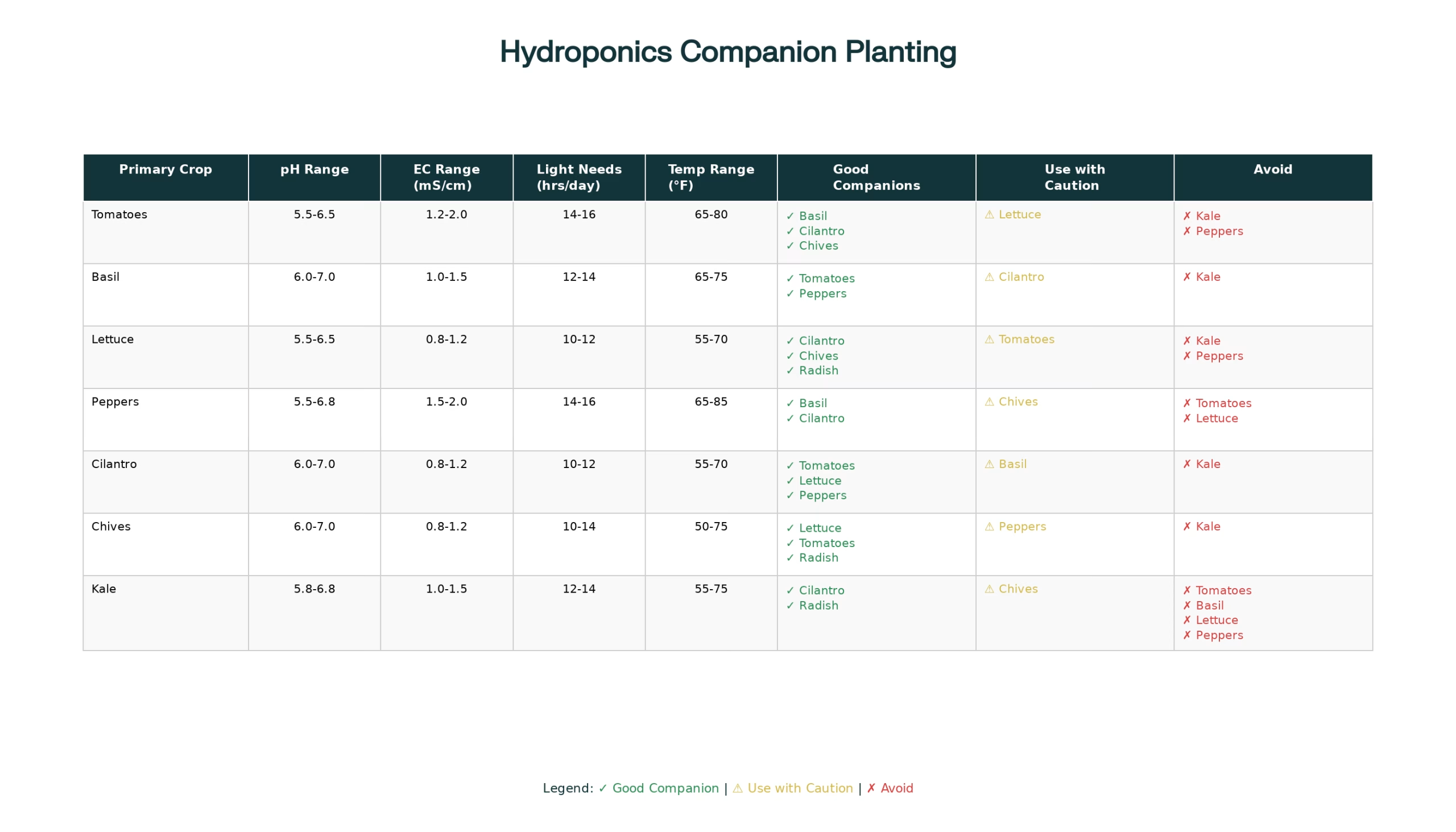
Downloadable Companion Planting Chart for Hydroponic Gardens
Download our dedicated companion planting chart optimized for hydroponics aids in planning successful plant pairings. The chart includes:
- Compatible pH and EC ranges
- Similar light and temperature needs
- Recommended beneficial pairings (e.g., tomato-basil, lettuce-chili, radish-cilantro)
- Combinations to avoid due to competition or shading effects.
Diversifying Seed Collections for Year-Round Hydroponic Production
A diverse hydroponic seed collection supports continuous, year-round production by rotating crops suited to seasonal conditions. Some key strategies include:
- Prioritize compact, fast-growing varieties like dwarf tomatoes, loose-leaf lettuces, radishes, and slow-bolting herbs to fit smaller systems.
- Rotate cool-season crops (lettuce, kale, cilantro) during colder months. Plant warm-season crops (tomatoes, peppers, basil) in warmer periods. This strategy maximizes yield across seasons.
- Experiment with a mix of leafy greens, herbs, and fruiting plants. This helps to balance nutrient uptake. It also prevents imbalances in the shared solution.
This rotation method minimizes pest buildup. It keeps nutrient demands steady. It also ensures that fresh produce is available year-round from the same hydroponic setup.
Advanced Topics and Community Learning
Experienced growers explore advanced companion planting areas. These include allelopathy (chemical plant interactions), root zone microbiome management, and staggered planting schedules. These schedules align quick-growing crops with slower ones to balance nutrient use. Participating in hydroponic and vertical farming communities like r/hydroponics, Click & Grow’s gardener forum, and HydroBuilder’s learning center provides access to shared charts and offer troubleshooting advice. This participation exposes you to real-world companion planting experiments that refine these techniques further. These communities are valuable sources for continuous learning, data sharing, and discovering emerging trends in soilless cultivation.
Share this:

Discover more from Soil Free Harvest
Subscribe to get the latest posts sent to your email.