
Welcome to the SoilfreeHarvest Blog
Discover innovative growing techniques, expert advice, and inspiring stories dedicated to soil-free gardening. Explore valuable insights to cultivate thriving, sustainable harvests and grow your knowledge with us.
Blog categories
- Advanced (53)
- Aquaponics (14)
- Beginners (64)
- Classroom resources (7)
- DIY Build (34)
- Flowers (5)
- Herbs (11)
- Income (3)
- Product Reviews (8)
- Uncategorized (2)
Featured

-

Flood and Drain Grow Bed Design: How to Size and Tune Bell Siphons
A flood and drain grow bed works best when the bell siphon is sized to the bed, the pump, and the media depth, not guessed from a generic kit. For most home systems, a well-matched 1 inch to 2 inch siphon, a stable inflow, and a media depth… read more
-

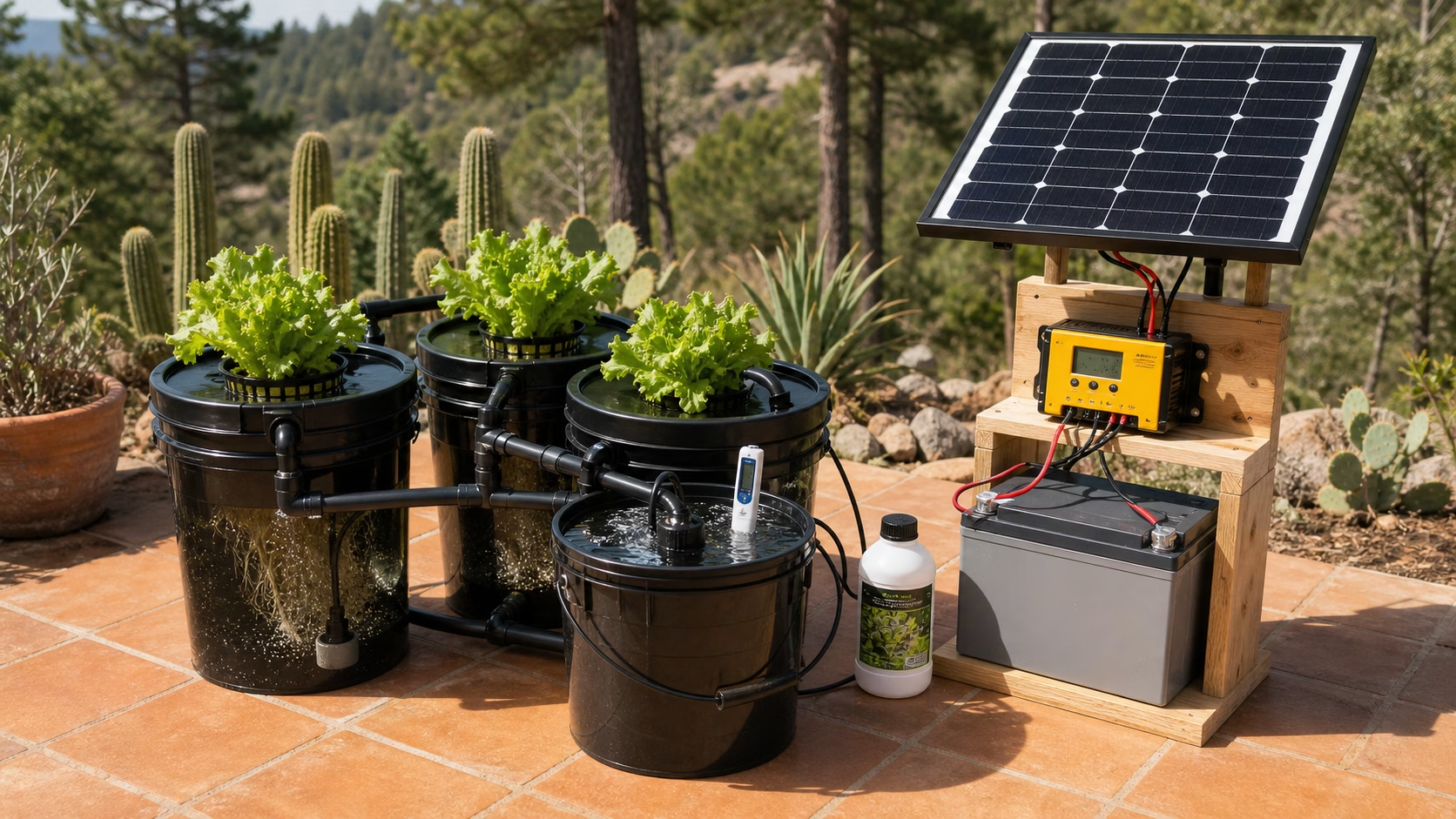
Beat the Heat: Summer Hydroponic Growing in Hot Climates
Yes, you can grow successfully in hot weather with hydroponics if you manage root-zone temperature, airflow, and crop choice first. In my experience, summer success is less about fighting heat everywhere and more about keeping the reservoir cool, the leaves moving, and the plants matched to the season.… read more
-
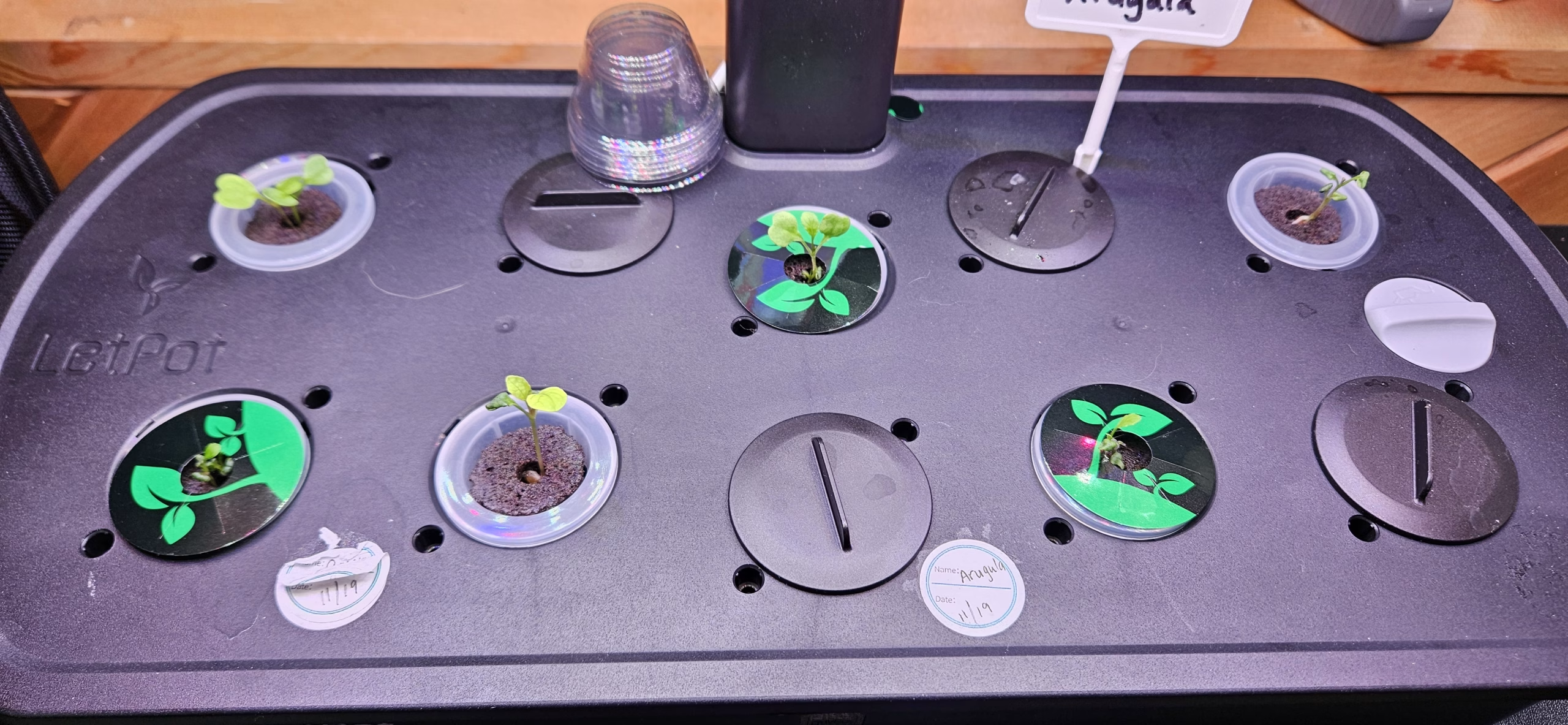
Hydroponic Lettuce From Seed to Harvest: Timing Guide for Hydroponics and Aquaponics
Hydroponic lettuce usually takes about 35 to 60 days from seed to harvest, depending on variety, light, temperature, and system type. Most growers transplant seedlings at 14 to 21 days and harvest full heads 21 to 35 days after transplant. read more
-
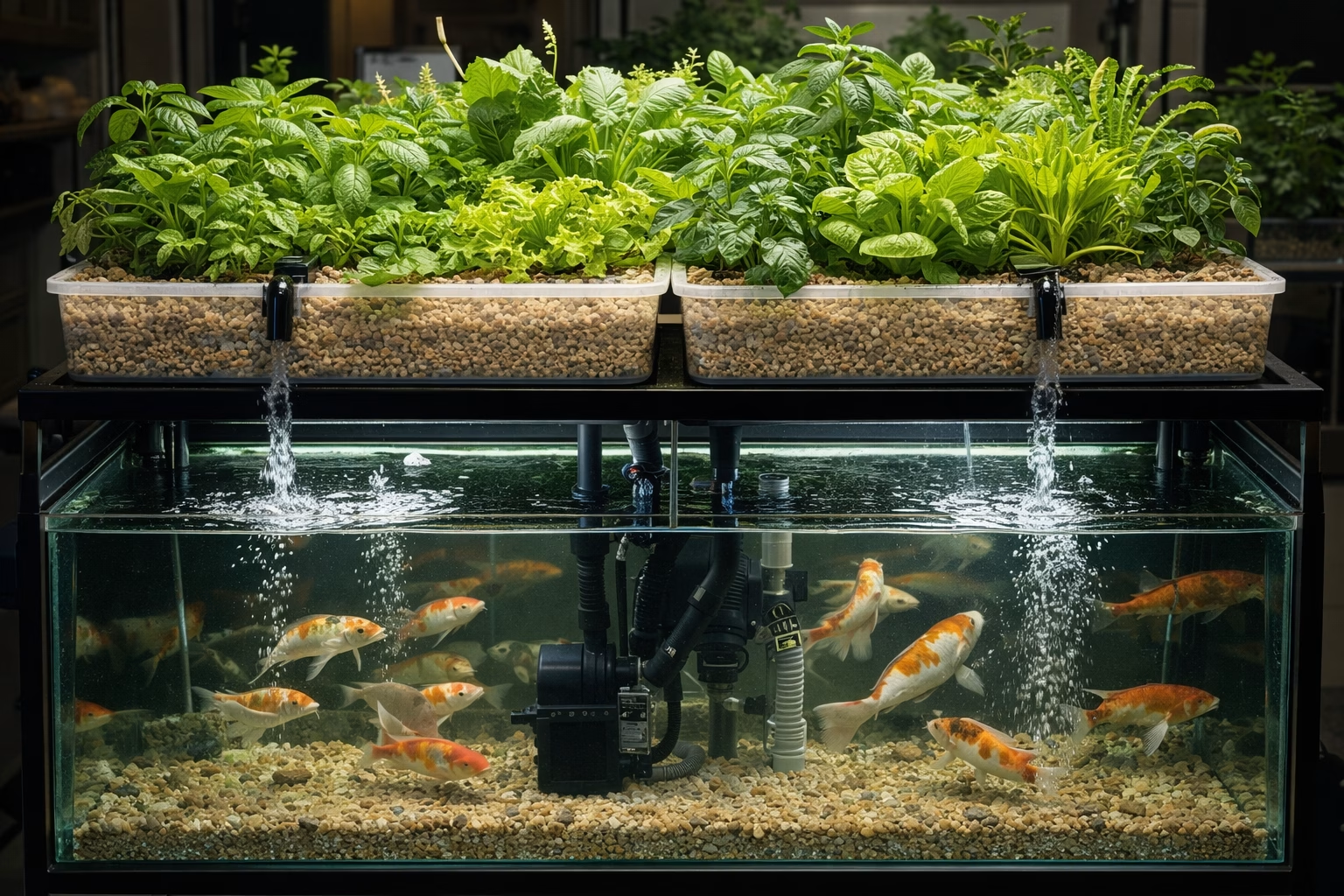
Climate-Specific Aquaponics: How to Adapt Systems for Hot and Cold Regions
Aquaponics can work in both hot and cold climates, but the system has to match the weather, not fight it. In warm regions, the biggest job is cooling water, protecting oxygen levels, and shading fish tanks; in cold regions, the priority is insulation, heat retention, and keeping biofiltration… read more
-

Aquaponics Water Temperature: Stable Ranges For Home Systems
Water temperature is one of the main control knobs in aquaponics, affecting fish health, nitrifying bacteria, plant growth, and whether your system stays stable or crashes. Most home systems run well with water between about 68 and 82 F, with daily swings kept under about 3 F so… read more
-
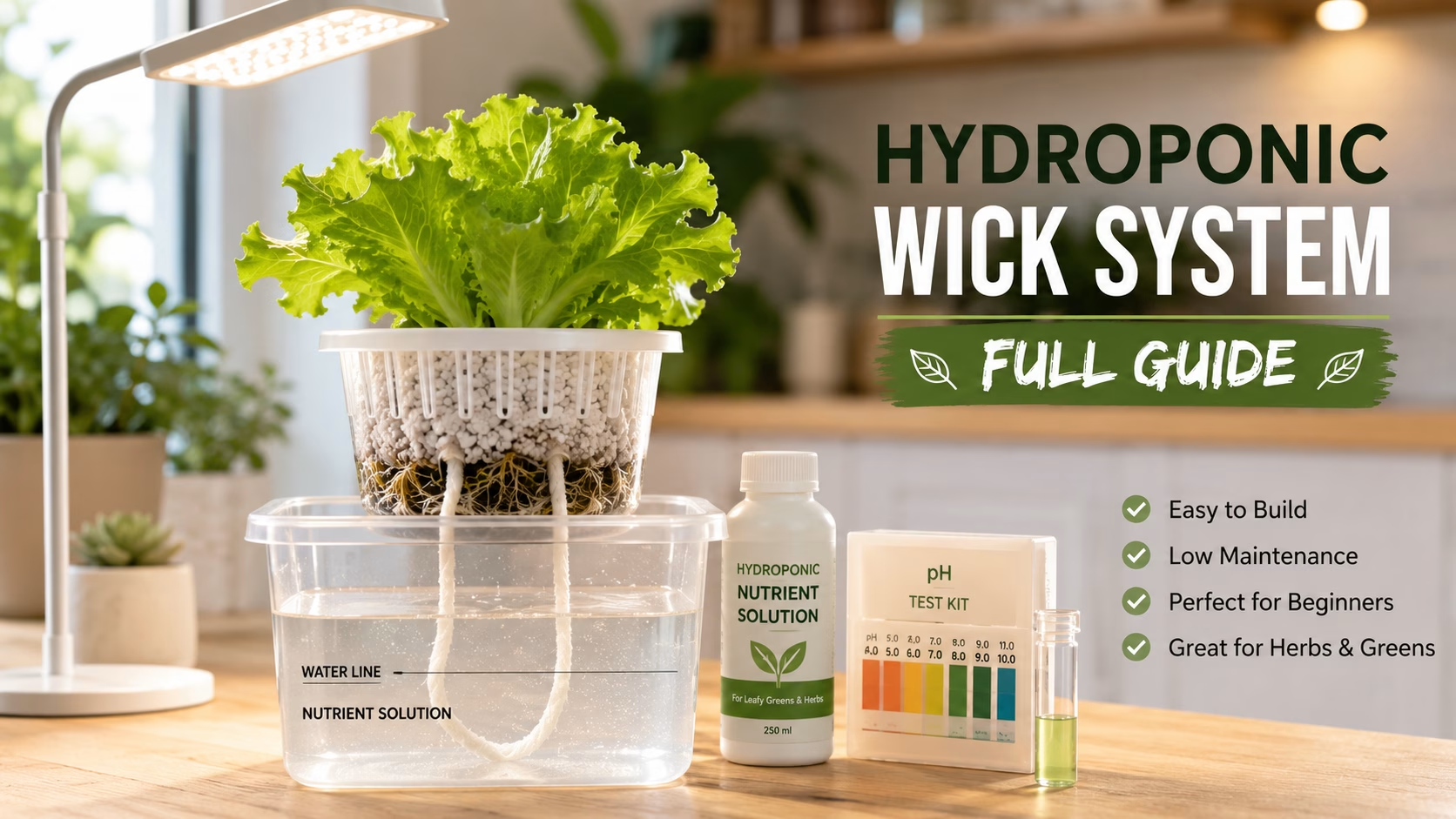
Passive Hydroponic Systems: A Practical Guide for Home Growers
Passive hydroponic systems let you grow plants in nutrient solution without pumps, air stones, or recirculating water. In most home setups, they work by giving roots access to water, nutrients, and an air gap, which makes them one of the simplest ways to start hydroponics at home. TL;DR:… read more
