Water Temperature Management and Cooling Solutions in Hydroponic Systems
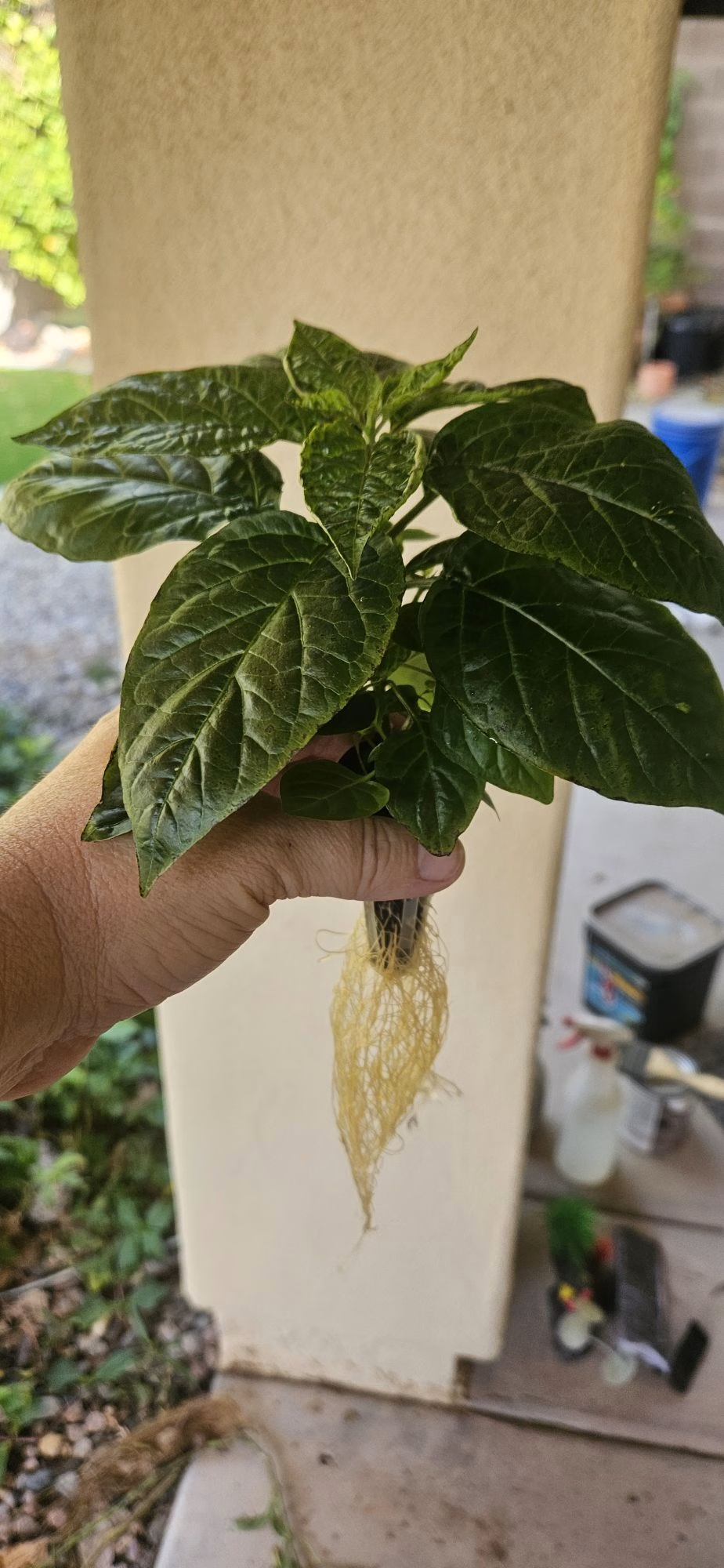
The ideal water temperature for most hydroponic systems is between 65°F and 75°F, with some crops preferring cooler ranges between 60°F and 70°F. Water temperature directly controls dissolved oxygen levels, nutrient uptake, and the growth of harmful pathogens like root rot. When water temperature climbs above 75°F, dissolved oxygen drops sharply, creating conditions where Pythium fungus thrives and roots begin to suffocate.
TL;DR: Keep hydroponic water between 65°F and 75°F to maximize dissolved oxygen and prevent root rot. In extreme desert heat, combine passive cooling (shade cloth, insulated reservoirs) with active solutions (DIY chillers, evaporative cooling) for complete temperature control without expensive commercial systems.
Affiliate Disclosure: This article contains affiliate links. If you purchase through these links, soilfreeharvest.com may earn a small commission at no extra cost to you.
What Is the Ideal Water Temperature for Hydroponic Systems?
The optimal hydroponic water temperature depends on the specific plants you’re growing and your system type. For most common hydroponic crops like lettuce, herbs, and tomatoes, the sweet spot falls between 65°F and 75°F. However, the science is more nuanced than a single number.
In a healthy hydroponic system, water temperature directly affects how much oxygen is available to plant roots. This relationship is inverse: as water gets warmer, it holds less oxygen. For every 6°F (3.3°C) increase in water temperature, dissolved oxygen levels drop by approximately 3 mg/L. In Deep Water Culture (DWC) systems, where roots sit constantly submerged, this becomes critical. Cool water at 68°F might contain 8-9 mg/L of dissolved oxygen, while water at 80°F might only hold 5-6 mg/L. Your plant roots need that oxygen.
Temperature also influences plant metabolism. Water that is too cold (below 55°F) slows nutrient uptake and stunts root development by 50% or more. Water that is too warm accelerates plant metabolism in ways that initially seem beneficial but actually exhausts your system. The warmth also creates ideal conditions for root pathogens, especially Pythium species, which thrive between 73°F and 81°F. The challenge is that this temperature range overlaps with optimal growing conditions for many warm-weather crops.
This is why experienced growers target the lower end of the optimal range, around 68°F to 72°F. This maintains adequate metabolic activity while keeping dissolved oxygen as high as possible and keeping pathogenic growth suppressed.
Why Water Temperature Control Ranks as the #1 Hydroponic Grower Pain Point
If you spend time in hydroponic forums and Reddit communities, one complaint dominates: water temperature. Home growers struggle to keep their systems cool, especially those in hot climates. Commercial water chillers cost $3,000 to $8,000, making them inaccessible for most hobbyists. The frustration is real, and it directly impacts crop success.
Water temperature matters for four specific reasons:
Dissolved Oxygen Availability
Roots breathe oxygen just as much as the leaves above the soil line. In hydroponic systems, all the oxygen roots get comes from the water itself. When water temperature rises, oxygen escapes into the air. A reservoir that stays at 68°F maintains enough dissolved oxygen for healthy root respiration. At 82°F, that same water becomes hypoxic (oxygen-depleted), and roots begin to suffocate.
Pathogenic Organism Growth
Pythium species, oomycetes, and bacterial pathogens that cause root rot have specific temperature preferences. Pythium dissotocum is most aggressive in water between 60°F and 85°F. Pythium aphanidermatum (one of the most destructive) peaks at 73°F to 81°F. Keeping water at 65°F to 70°F doesn’t eliminate these pathogens, but it slows their reproduction significantly. Higher temperatures are like opening a welcome mat.
Nutrient Absorption Rates
Plant roots absorb nutrients through active transport, a metabolic process that is temperature-dependent. Between 65°F and 75°F, most plants achieve rapid, efficient nutrient uptake. Below 55°F or above 80°F, uptake stalls, and plants show nutrient deficiency symptoms even if nutrients are present.
System Stability
Daily temperature swings stress plants and create inconsistent growth. A reservoir that fluctuates between 65°F and 78°F daily creates stress. A system held steady at 70°F allows plants to settle into consistent metabolic rhythms, producing reliable yields.
Optimal Water Temperature by Crop Type
Different plants have evolved different temperature preferences. Understanding what your crops actually need prevents costly mistakes.
| Crop Type | Optimal Water Temp | Key Considerations |
|---|---|---|
| Lettuce | 60-70°F | Cool temps prevent bolting and extend harvest window |
| Spinach | 60-70°F | Prefers cooler water; susceptible to heat stress |
| Herbs (basil, parsley, mint, cilantro) | 65-75°F | Warm-leaning herbs tolerate 72-75°F; cool-season herbs prefer 65-70°F |
| Strawberries | 65-75°F | Warm temps reduce flavor; cooler water improves berry quality |
| Tomatoes | 65-75°F | Tolerates upper range (75°F) but best growth at 70-73°F |
| Cucumbers | 60-70°F | Highly sensitive to heat; prefers lower temps for consistent production |
| Peppers | 70-80°F | One of the warmest-tolerant crops; growth slows below 65°F |
| Kale | 60-70°F | Cool-season preference; excellent for winter/spring growing |
| Swiss Chard | 65-75°F | Moderate range; bolts less quickly than spinach at higher temps |
| Microgreens | 65-75°F | Versatile; grow well across entire optimal range |
| Arugula | 60-70°F | Bolts easily in warm water; cool temps extend harvest |
| Watercress | 55-70°F | Prefers coolest end; often grows in outdoor systems without temperature control |
| Radishes | 60-70°F | Fast-growing; cool water speeds germination |
| Kohlrabi | 60-75°F | Flexible; performs across range but best at 65-70°F |
| Chives | 65-75°F | Hardy herb; tolerates full optimal range |
| Thyme | 65-75°F | Tolerates warmer end; excellent for Mediterranean herb mixes |
| Oregano | 70-75°F | Prefers warmer side; slow to establish below 65°F |
| Eggplant | 75-80°F | Warm-season fruiting crop; appreciates warmth like peppers |
| Bean sprouts | 65-75°F | Growth fastest at 68-72°F |
For most beginning growers in hot climates, target 68°F to 72°F as your baseline. This range satisfies lettuce, herbs, and tomatoes simultaneously, and gives you a safety margin before oxygen becomes critically depleted.
How Does Water Temperature Affect Dissolved Oxygen?
Understanding Oxygen in Hydroponic Systems – dissolved oxygen basics
The dissolved oxygen story explains why temperature control is non-negotiable. Henry’s Law, a principle from chemistry, tells us that gases dissolve in liquids inversely with temperature. Cold water holds more dissolved gas; warm water holds less. The effect is dramatic.
At 50°F, water can hold about 11 mg/L of dissolved oxygen. At 70°F, it holds about 8 mg/L. At 85°F, it drops to 5 mg/L. Plant roots need a minimum of 4-5 mg/L to avoid stress; anything below 3 mg/L is dangerous.
In a DWC system where roots are fully submerged, your air stone or air pump is the only source of oxygen. The warmer the water, the harder your air pump has to work to keep oxygen levels adequate. In extremely warm water, even multiple air pumps cannot maintain healthy oxygen levels.
The oxygen problem becomes even more serious because temperature and pathogen growth go hand in hand. Warm, low-oxygen water is Pythium heaven. The combination creates a death spiral: warm water loses oxygen, and pathogens proliferate, consuming any remaining oxygen and killing roots.
Consequences of Water Temperature Deviations
Temperature Too High (Above 80°F)
Root rot develops rapidly. Plant roots turn brown or black within 24-48 hours of exposure to sustained temperatures above 80°F. Leaves wilt despite adequate moisture. Affected plants may die within a week if the temperature does not drop. Growth stops entirely as the plant shifts from growth mode to survival mode, focusing all energy on the root system’s attempt to survive pathogenic attack. Nutrient uptake ceases because dying roots cannot absorb anything. Algae blooms become common because warm, stagnant water is perfect for algal growth.
Temperature Too Low (Below 60°F)
Growth slows dramatically. Plant metabolic processes decelerate, and nutrient uptake drops by 50% or more. Root development stalls; new root hairs don’t emerge. Seedlings and young plants are particularly vulnerable and may not establish. Germination rates plummet. Plants that survive display pale leaves, thin stems, and stunted overall size. Recovery is slow once roots are established, but it takes weeks longer than at optimal temperatures.
Fluctuating Temperatures
Wild swings from 65°F to 78°F daily stress plants continuously. Inconsistent growth means uneven harvests. Some plants in the same reservoir mature at different rates. Root systems expend energy adapting to temperature changes rather than growing. The stress weakens disease resistance, making plants more vulnerable to pathogens even if temperatures are technically in the acceptable range.
Passive Cooling Solutions: Insulation, Placement, and Design
If your hydroponic system sits in a warm growing space, active cooling (pumps, chillers) is the obvious fix but not the only fix. Start with passive solutions that cost nothing or very little and reduce your cooling burden significantly.
Reservoir Insulation
White or light-colored reservoirs reflect heat; black ones absorb it. If you have the option, choose white opaque plastic for your nutrient tank, not clear. Clear tanks let light reach the water, promoting algae growth, and they don’t provide any insulation.
Wrap your reservoir with foam insulation, polystyrene, or commercial pipe insulation. A 2-inch layer of foam around a 20-gallon bucket reduces temperature swings by 8°F to 12°F daily. The insulation slows both heat gain during the day and heat loss at night, stabilizing the system.
Strategic Placement
Position reservoirs in the coolest part of your growing space. If you have a basement, use it. If you have a garage with shade, better than a room facing west. Keep reservoirs away from direct sunlight, heating vents, and warm equipment. Even 2 feet of distance from a heat source can make a noticeable difference.
Bury part or all of the reservoir if you have outdoor space. Soil 2 to 3 feet underground stays between 55°F and 65°F year-round in most climates, even in hot regions. A buried cooler or reservoirs placed in a buried chamber provides constant passive cooling with zero electricity.
Shade Cloth and Covering
If your growing space gets warm primarily from light, reduce light intensity slightly using 30% to 50% shade cloth. This lowers air temperature, which gradually lowers water temperature. The trade-off is reduced light for plants, which can slow growth, so use this only if light is already above minimum requirements for your crops.
Air Circulation
Stagnant water warms faster than moving water. A simple circulation pump that moves water slowly and continuously (not the same as the nutrient delivery pump) helps distribute heat more evenly. This doesn’t cool the water, but it prevents hot spots where roots experience 10°F to 15°F higher temperatures than the rest of the reservoir.
Active Cooling Methods: From Budget DIY to Commercial Systems
When passive cooling isn’t enough, active cooling solutions range from under $200 DIY projects to professional systems costing several thousand dollars.
DIY Refrigerator Chiller
The most affordable and surprisingly effective option is building a chiller from a used dorm-sized refrigerator.
Materials and Cost:
- Used dorm refrigerator (1 to 1.5 cubic feet): $50-$150 from thrift stores or online marketplaces
- Plastic tubing (50-100 feet of 3/8-inch hard plastic): $8-$15
- PVC fittings (90-degree elbows, connectors): $5-$10
- Aquarium-safe silicone sealant: $5-$8
- Submersible pump (500-1000 GPH): $20-$40
- Thin-wall PVC pipe (1/2-inch, 1 foot): $3-$5
- Basic tools: drill, screwdriver, saw
Total Cost: $100-$220
How It Works:
The refrigerator’s internal cooling system removes heat from water circulating through it. Water from your hydroponic reservoir is pumped through tubing coiled inside the fridge, where it cools, and returns to the reservoir. The chiller cools a 20-50 gallon system effectively and maintains temperatures within 3-5°F of your target.
Setup Steps:
- Clean the refrigerator thoroughly and remove any internal shelving.
- Drill two holes (1/2-inch diameter) through the back wall, one near the top and one near the bottom.
- Install PVC pipe sections through the holes using aquarium-safe silicone sealant to seal gaps.
- Coil your 3/8-inch plastic tubing inside the fridge in a loose spiral, avoiding contact with cooling coils.
- Connect one end of the tubing to your pump outlet and the other to your reservoir return line.
- Fill the fridge’s interior with water (not ice) or insulation material to improve heat transfer.
- Run the system and monitor water temperature.
Efficiency Note: The fridge runs continuously, consuming 100-200 watts of electricity per hour. For a small home system (10-30 gallons), operating costs are typically $5-$15 per month.
DIY Hydroponic Automation on a Budget – Project 2: Automated Water Refill & Reservoir Management
Peltier Thermoelectric Cooler
Peltier coolers use solid-state cooling (no moving refrigerant) and are quieter than refrigerator-based systems. A basic unit costs $40-$80 before assembly.
How It Works:
A Peltier chip creates a temperature difference when electricity flows through it. One side gets very cold; the other side gets hot. Water runs through a small water block on the cold side, picks up heat from the reservoir, and returns cooled.
Assembly Requirements:
- Peltier cooling module (TEC module): $15-$30
- Water block and fittings: $15-$25
- CPU cooling fan for heat dissipation: $10-$20 (Peltier cooling module link above includes cooling fan)
- Power supply (12V or 24V depending on module): $15-$25
- Thermal compound and mounting hardware: $5-$10 (Peltier cooling module link above includes some of this)
- Tubing and connectors: $5-$10
Total: $65-$120
Limitations:
Peltier coolers are less efficient than refrigerator-based systems for larger setups. They work best for reservoirs under 10 gallons and produce more heat on the hot side than a refrigerator chiller, making them useful primarily in cooler ambient environments.
Inline Immersion Coolers and Heaters
For extreme temperature swings (very hot days, cold nights), combination heating and cooling units provide both functions in one.
Submersible inline heaters and coolers designed for aquariums (200W to 500W models) cost $150-$400 and mount directly in the reservoir. They maintain preset temperatures automatically using a built-in thermostat and are much quieter than refrigerator or fan-based systems.
Advantages:
- Compact and quiet operation
- Dual heating/cooling capability
- Precise temperature control within 1-2°F
- No additional pump required if you have circulation
Disadvantages:
- More expensive than DIY alternatives
- Limited cooling capacity (typically for 5-20 gallon systems)
- Higher electricity consumption than passive cooling
Evaporative Cooling (Swamp Cooler) Systems
In hot, dry climates, evaporative cooling is remarkably effective. A swamp cooler pulls hot air through water-soaked pads, and evaporation cools the air by 20°F to 40°F depending on humidity.
Unlike refrigeration, evaporative cooling has no moving refrigerant and requires minimal electricity. A basic system costs $300-$800 and can cool a small greenhouse or growing room.
How It Works:
- Outdoor air is drawn in by a fan.
- The air passes through cellulose or aspen pads saturated with water.
- As water evaporates from the pads, it absorbs heat from the air.
- Cooled air is distributed into your growing space.
Effectiveness:
Evaporative cooling works best when outside humidity is low (below 40%). In Phoenix, Arizona, where relative humidity often drops to 15-25% during the day, evaporative systems can drop air temperature by 25-35°F. In humid climates (above 60% RH), effectiveness drops to 5-10°F because water doesn’t evaporate as readily.
Cost and Operation:
A portable swamp cooler costs $300-$600. Installation is simple: position it near an open window or vent for fresh air intake, and connect it to a water source. Electricity consumption is typically 400-800 watts, far less than a refrigeration chiller.
Application in Hydroponics:
Evaporative cooling cools the air around your system, which gradually lowers water temperature. It’s not as precise as a water chiller, but it’s much cheaper and works very well in desert climates when combined with shade cloth and reservoir insulation.
Geothermal Passive Cooling (Buried Pipes)
In some situations, burying water-filled pipes 6 to 8 feet underground provides constant cooling without any active equipment. This approach is low-tech and completely free to run.
How It Works:
PVC or polyethylene pipes are buried below the frost line (typically 4-8 feet deep depending on climate). Water from your hydroponic reservoir circulates through these pipes and absorbs the cooler temperature of the surrounding earth. In most climates, soil at 6 feet depth stays between 50°F and 65°F year-round.
Setup:
- Run a trench at least 4-6 feet deep, 50-100 feet long depending on cooling needs.
- Lay 4-inch diameter Schedule 40 PVC or high-density polyethylene pipe.
- Coil the pipe in a continuous loop to maximize contact time with cool soil.
- Use a submersible pump to circulate water through the loop.
- Insulate return lines above ground to minimize heat re-entry.
Limitations:
- Requires significant digging and construction.
- Effectiveness varies with soil temperature and depth.
- Drainage and moisture management are necessary to prevent condensation and mold in pipes.
- Long runs (80+ feet) require higher pump power.
- Most practical for systems with 20+ gallon reservoirs where the cooling benefit justifies the effort.
Cost: $200-$800 in materials (pipes, pump, fittings) plus labor for digging.
How to Monitor Water Temperature: Tools and Best Practices
Temperature control is impossible without accurate measurement. You need at least one reliable thermometer placed in the active growing area, not floating on the surface.
Simple Digital Thermometers
Basic aquarium thermometers or digital probes cost $10-$30 and provide instant temperature readouts. Submersible probes with 1.5-meter cables allow you to check temperature without disturbing the system.
Smart Meters with Logging
EC meters that also measure temperature (like LetPot EC meters) cost $40-$100 and log temperature data over time. This allows you to see temperature trends and identify when your cooling system is failing before problems develop.
Data Logging Systems
Industrial-grade data loggers record temperature every 15-60 minutes and upload to your phone via Bluetooth or WiFi. AC Infinity and other manufacturers make models for grow rooms ($50-$150). These are valuable if you’re diagnosing temperature problems or running multiple systems.
Best Practices:
- Place your thermometer in the middle of the reservoir, at canopy level, not at the surface.
- Check temperature at the same time each day (early morning is most reliable for comparing patterns).
- Record temperatures for one full week to establish your baseline and identify daily fluctuations.
- If you see temperature swings larger than 5°F per day, your cooling or insulation needs improvement.
Troubleshooting Common Water Temperature Problems
Problem: Water Temperature Creeps Up During the Day
Cause: Sun exposure or warm ambient air temperature.
Solution: Increase shade, improve reservoir insulation, or increase air circulation. Move the system to a cooler location if possible. If the rise is only 3-4°F and stays below 75°F, this is normal and not problematic.
Problem: Water Temperature Won’t Stay Above 65°F in Winter
Cause: Cold ambient temperatures or excessive night cooling.
Solution: Insulate the reservoir more heavily, reduce ventilation, or add an immersion heater. In winter, many growers use a simple heater to maintain 70°F during cold months while using cooling during warm months.
Problem: Temperature Stabilizes at 78-82°F Despite All Attempts to Cool
Cause: Ambient temperature is too high, or your cooling capacity is undersized.
Solution: Aggressive shade cloth (50-75%), evaporative cooler, or upgrade to a more powerful chiller. Alternatively, shift crops to warm-tolerant varieties like peppers and basil that perform better at 75-80°F.
Problem: Fluctuating Temperature Between 65-75°F; Can’t Hold a Steady Temp
Cause: Inadequate insulation and undersized cooling system allowing wild swings.
Solution: Increase insulation, increase pumping to improve heat distribution, or upgrade cooling. A dedicated circulation pump (separate from nutrient delivery) helps smooth temperature changes.
Problem: Water Temperature Is Perfect, But System Still Develops Root Rot
Cause: Temperature is only one piece of the root rot puzzle. Dissolved oxygen, bacteria, cleanliness, and genetics also matter.
Solution: Verify dissolved oxygen levels using a DO meter. Increase aeration with multiple air stones. Sanitize everything (tubing, net pots, tools) with hydrogen peroxide or dilute bleach solution. Ensure nutrient solution pH is within 5.5-6.5 range. Consider swapping out an old, contaminated reservoir for a fresh one.
Step-by-Step Setup: Installing a Basic Water Cooling System
This guide covers installing a budget-friendly refrigerator-based DIY chiller, the most practical option for home growers. Estimated setup time: 2-3 hours.
Materials and Tools You’ll Need:
- Used dorm-sized refrigerator (1-1.5 cubic feet)
- 3/8-inch plastic tubing (60-80 feet)
- PVC fittings (90-degree elbows, slip fittings, threaded nipples)
- Aquarium-safe silicone sealant
- 1/2-inch thin-wall PVC pipe (cut into two 4-inch sections)
- Submersible pump (500-1000 GPH)
- Drill with 1/2-inch bit
- Screwdrivers and adjustable wrench
- Tape measure and pencil
- Teflon tape for threaded connections
Installation Steps:
- Inspect and clean the refrigerator. Remove any shelves or internal components. Wipe the interior with a clean cloth.
- Locate where you’ll drill two holes: one hole 2 inches from the top of the back wall, one hole 2 inches from the bottom. Mark both holes with a pencil.
- Drill the two 1/2-inch holes using your drill bit. Wear safety glasses. Start slowly to avoid cracking the plastic back panel.
- Insert the two 4-inch PVC pipe sections through the holes, fitting them snugly from the inside. Apply aquarium-safe silicone sealant around the inside of each hole, creating a watertight seal. Allow 24 hours for silicone to cure before proceeding.
- Thread PVC fittings onto the ends of the PVC pipes protruding from the outside of the fridge. Use Teflon tape on all threaded connections to ensure no leaks.
- Coil your 3/8-inch plastic tubing inside the refrigerator, starting from the bottom and spiraling upward. Avoid touching the refrigerant coils (cold metal coils). Leave both ends of the tubing outside the fridge.
- Connect the intake end of your tubing to the pump outlet using a slip fitting or threaded connector. Connect the return end to your hydroponic reservoir.
- Prime the system by filling the tubing and fridge interior with water from your reservoir before turning on the pump. This removes air pockets.
- Turn on the pump. Water should flow smoothly. Check for leaks at all connections and around the holes. Tighten fittings if you spot drips.
- Monitor the water temperature inside your reservoir for 1-2 hours. You should see a steady temperature decline toward your target range. Adjust the pump flow rate if available, or use a ball valve to restrict flow slightly if water exits your system too quickly without adequate cooling time.
Maintenance:
Every 2-3 months, check the fridge’s compressor and cooling coils for dust or debris. Ensure the pump is running smoothly and that tubing connections remain tight. If temperature performance declines, this usually indicates the fridge’s compressor is failing and the unit needs replacement.
Best Water Cooling Solutions by System Size
Your optimal cooling choice depends on system size and ambient temperature.
| System Size | Ambient Temp | Best Solution | Cost | Effort |
|---|---|---|---|---|
| 5-10 gallons | <85°F | Reservoir insulation only | $10-30 | Low |
| 5-10 gallons | >85°F | Immersion cooler or Peltier | $150-300 | Low |
| 10-30 gallons | <80°F | Shade cloth + insulation | $40-100 | Low |
| 10-30 gallons | >85°F | DIY refrigerator chiller | $150-220 | Medium |
| 30-100 gallons | <80°F | Evaporative cooler (dry climate) | $400-800 | Medium |
| 30-100 gallons | >85°F | Commercial chiller or buried pipes | $2000+ or $500-800 | High |
| 100+ gallons | Any | Professional cooling system | $3000-8000 | High |
For Phoenix area growers facing 110°F+ summer temps, the most cost-effective approach combines multiple methods: insulated, light-colored reservoirs, 50% shade cloth over the grow space, an evaporative cooler for the room, and a DIY refrigerator chiller for the nutrient reservoir. This multi-method approach typically keeps water between 68°F and 75°F year-round for less than $1,000 total investment.
Frequently Asked Questions
Q: What temperature should my hydroponic water be for lettuce and herbs?
A: Lettuce and most culinary herbs prefer water between 60°F and 70°F, ideally around 65°F. Cooler temperatures prevent bolting (premature flowering) and promote crisp, flavorful leaf growth. If your water creeps above 72°F, you’ll notice lettuce becoming bitter and bolting earlier than expected.
Q: How much does a water chiller cost, and is it worth it?
A: Commercial water chillers range from $400 (small capacity) to $8,000+ (commercial scale). For most home growers, DIY solutions ($150-$300) provide the same cooling at a fraction of the cost. Only invest in commercial chillers if you’re running multiple large systems or commercial operations where your time is too valuable for DIY maintenance.
Q: Can I use frozen water bottles to cool my hydroponic system?
A: Yes, but only as a temporary emergency fix. Frozen bottles provide 4-6 hours of cooling before melting and require continuous replacement. They work for small systems (under 5 gallons) on very hot days but are impractical for long-term temperature control. Use them to buy time while you implement a permanent solution.
Q: Will my system overheat if I don’t have active cooling?
A: It depends on ambient temperature, system size, and how well it’s insulated. Small systems (10 gallons) in climates that don’t exceed 85°F can stay cool with just insulation and shade cloth. Systems in hot, dry climates (like Arizona) absolutely need active cooling during summer months. Monitor your water temperature for one week in summer and you’ll know if you need cooling.
Q: How often should I check my water temperature?
A: Check at minimum once daily, at the same time each day (early morning is best). If you’re having temperature problems, check twice daily (morning and evening) to understand the daily fluctuation. Once your system is stable, once-daily checks are sufficient.
Q: Can high water temperature kill plants instantly?
A: Water above 85°F causes stress within hours and root damage within 24-48 hours. Root rot develops rapidly. However, it’s not instant death. If you catch overheating early and cool the system, plants can recover. The risk of permanent damage increases significantly above 80°F.
Q: Is a DIY chiller reliable, or should I just buy a commercial one?
A: DIY refrigerator chillers are reliable for 2-3 years of consistent use. The refrigerator compressor is the same one used in thousands of commercial cooling systems. The main limitation is that old refrigerators eventually fail, requiring replacement. For a $150 DIY chiller versus a $3,000 commercial unit, the DIY approach is cost-effective even if you replace it once every 3 years.
Q: What’s the difference between a water chiller and a water heater?
A: A water heater maintains a minimum temperature using a heating element (useful in winter). A water chiller maintains a maximum temperature using a cooling system (useful in summer). Many systems benefit from both: heating during cold months, cooling during hot months. Some immersion units provide both functions in one device.
Q: Can I grow tomatoes in a hydroponic system if my water stays at 70°F?
A: Yes, 70°F is in the optimal range for tomatoes (65-75°F). Tomatoes are one of the most temperature-flexible crops and will perform well at 70°F. They may fruit slightly faster at 75°F, but 70°F is perfectly acceptable and reduces your cooling burden compared to peppers (which prefer 75-80°F).
Q: Why does root rot develop faster in warm water?
A: Warm water holds less dissolved oxygen, and Pythium pathogens reproduce faster at higher temperatures. The combination creates a perfect storm: low oxygen stresses roots, and aggressive pathogens attack weakened roots. Cold water reverses both factors simultaneously: high oxygen available and slow pathogen reproduction.
Author Bio
This guide reflects hands-on hydroponic experimentation in Arizona, where summer water temperatures regularly exceed 85°F without active cooling. Combined with a cybersecurity background emphasizing rigorous testing and documentation, the solutions presented here have been tested across multiple system types and growing seasons. Soil Free Harvest focuses on practical, affordable hydroponic techniques for beginning and intermediate growers, with particular expertise in desert climate optimization and vertical farming in controlled indoor environments.
Share this:

Discover more from Soil Free Harvest
Subscribe to get the latest posts sent to your email.







2 Comments