Vertical Hydroponic Garden: Space-Saving Ideas for Urban Homes
For urban dwellers with limited space, the vertical hydroponic garden is transforming the way people grow fresh food indoors. Whether it’s a sleek kitchen wall of herbs or a balcony tower bursting with greens, hydroponics allows anyone to grow without soil efficiently, cleanly, and beautifully.
Affiliate Disclosure: This article contains affiliate links. If you purchase through these links, soilfreeharvest.com may earn a small commission at no extra cost to you.
The Rise of Vertical Hydroponics
Vertical hydroponics combines two modern growing trends hydroponic gardening (plants grown in nutrient-enriched water) and vertical farming (plants grown upward in stacked systems). This technique increases yield per square foot and reduces water use by up to 90% compared to traditional soil gardens.

Urban gardeners love hydroponic towers because they:
- Fit easily into balconies, kitchens, or rooftops.
- Require minimal maintenance once set up.
- Eliminate soil-borne diseases and pests.
- Grow fast year-round with LED assistance.
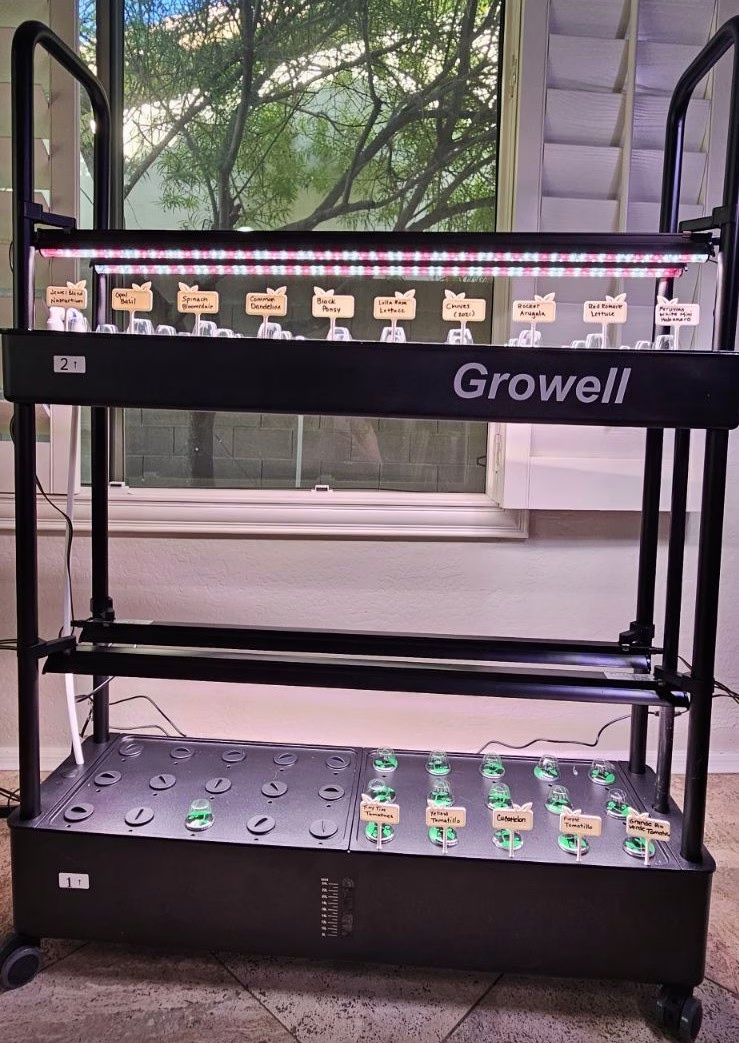
Explore efficient starter setups like the Growell Hydroponics Growing System Kit, 60 Pods Vertical Indoor Garden (affiliate link) for condo or apartment living. I can personally say this one works well. I have one in my dining room and seeds started sprouting within 3 days.
How Does Vertical Hydroponic Gardening Work?
Hydroponic towers use a gravity-fed system that circulates nutrient water through stacked pots or channels. Plants sit in small grow cups containing inert media like coco coir, and water enriched with the essential nutrients cycles continuously through a reservoir.
For a deeper dive into nutrient mixes, see Ultimate Guide to Hydroponic Nurtients.
This closed-loop design means every drop of water contributes directly to growth. Popular designs include PVC towers, A-frame walls, and smart modular systems that manage lighting and irrigation through apps.
DIY vs. Pre-Made Systems
For newcomers, the biggest decision is whether to build or buy.
- DIY systems: A PVC pipe, water pump, and net pots can yield excellent results. Check our Complete Guide to NFT Hydroponics Systems for a step-by-step guide.
- Pre-built towers: Ready-made systems provide professional-level performance with minimal setup time.
Ready to grow fast? Try the Vertical Hydroponics Growing System Kit a plug-and-play unit ideal for compact spaces and first-time growers.
Choosing the Right System for Your Space
The right hydroponic system depends on your available space and goals.
| Space Type | Suggested System | Best Plants | Est. Cost Range |
|---|---|---|---|
| Balcony or Patio | A-frame tower (DIY or Vego Kit) | Lettuce, basil, arugula | $100–$300 |
| Kitchen Counter | Compact vertical wall | Herbs, microgreens | $80–$150 |
| Rooftop or Garage | Vertical tower system | Strawberries, kale, chard | $250–$500 |
Adding grow lights and a water pump timer ensures consistent growth even in low-sun environments.
Setting Up Your First Vertical Garden
Follow these practical setup steps:
- Choose your setup site. Look for areas near an electrical outlet.
- Install your tower or rack. Use wall anchors for stability.
- Add grow lights. LED panels positioned horizontally mimic daylight.
- Prepare nutrient solution. Mix per manufacturer instructions.
- Plant seedlings. Place young plants into net pots with coco coir.
- Maintain pH (5.8–6.2). Use a digital pH meter for weekly checks.
- Cycle your system. Run the pump for 15 minutes every hour for optimal hydration.
Use the General Hydroponics Flora Series Nutrients a trusted choice for consistent, healthy plant growth.
Benefits of Vertical Hydroponics
- Space efficiency: Perfect for apartments and condos where outdoor gardening isn’t an option.
- Water conservation: Closed loops drastically reduce waste.
- Year-round yields: Controlled environments ensure consistent harvests.
- Zero soil hassle: No weeding, no mess, and no pests.
- Sustainability: Aligns with urban eco-lifestyle goals and reduces food miles.
Smart Hydroponics and IoT Integration
The latest systems integrate IoT sensors that monitor moisture, EC levels, and temperature automatically. Smart apps connect to devices like the Aerospring or Vego Garden systems, allowing real-time tracking and control from your phone.
Try the Gardyn Studio Vertical Hydroponics Growing System Kit an ideal choice for tech-savvy gardeners seeking automation.
Internal link example: See Beginner’s Guide to Hydroponic Automation for more information on connected hydro systems.
Best Crops for your Vertical Hydroponic Garden
Some plants adapt better to hydro conditions due to their shallow root systems and fast turnover cycles.
Top Picks for Beginners:
- Lettuce and spinach
- Basil, thyme, and mint
- Strawberries and cherry tomatoes
- Kale and Swiss chard
Pro tip: Rotate crops seasonally to replenish nutrients in the water reservoir.
Bonus Tip: Order fresh hydroponic-friendly seeds from Survival Gardens Seeds Non-GMO Heirloom Vegetable Varieties for Small-Space Patio Garden – Hydroponics-Friendly to ensure optimal germination rates.
Design Ideas for Urban Living
Even small apartments can host gardens that double as decor.
- Wall-mounted panels: Add greenery to unused walls while purifying indoor air.
- Hanging gutter gardens: Perfect for kitchens with limited counter space.
- Convertible grow furniture: Some systems fit inside shelving units or bookcases.
Enhance your setup with Barrina T10 Pro Standing Grow Light with Timer for optimum illumination and elegant aesthetics.
Troubleshooting Common Issues
Uneven Growth: Check for light gaps or uneven water flow.
Algae or Mold: Cover your reservoir to block sunlight.
Nutrient Imbalance: Flush the system biweekly and remix solution.
Wilting Leaves: Verify pump cycles and maintain pH between 5.8–6.2.
For more guidance, visit Hydroponic Problems and Solutions: How to Troubleshoot and Fix Common Issues Indoors.
Maintenance Tips for Long-Term Success
- Top off the tank weekly to maintain water levels.
- Replace nutrient solution every 2–3 weeks.
- Sanitize tubing and net pots monthly to prevent buildup.
- Inspect roots healthy roots should be white and firm.
- Use hydro-friendly cleaning products like OXI-Clean Green, avoiding soap residues that harm roots.
Integrating a Vertical Hydroponic Garden into an Urban Lifestyle
Beyond the functional benefits, vertical garden towers contribute to mental wellness and home aesthetics. Studies show greenery can enhance mood and improve indoor air quality. Imagine sipping coffee beside a living wall that provides both oxygen and flavor.
This lifestyle aligns with growing urban trends in sustainable design and home self-sufficiency. Downtown condos and micro-lofts now feature hydroponic kitchen walls as living art pieces.
Affiliate Product Section
Here are some tested affiliate recommendations for beginners and enthusiasts:
- Growell Hydroponics Growing System Kit, 60 Pods Vertical Indoor Garden – Modular design, ideal for herbs and greens.
- Vertical Hydroponics Growing System Kit – Integrated lighting and mobile app control.
- General Hydroponics Flora Series Nutrients – Complete nutrient kit for leafy crops.
- Barrina T10 Pro Standing Grow Light with Timer – An elegant vertical LED light for efficient coverage.
Conclusion: Grow Up, Not Out
Vertical hydroponic gardens make it possible to turn even the smallest apartment into a self-sustaining green space. They represent the future of urban living sustainable, efficient, and elegant.
Whether you’re a beginner with limited room or a seasoned gardener looking to stretch your harvests, this is the moment to start growing smarter, not harder.
Ready to start your own soil-free oasis?
Visit Best Indoor Hydroponics Systems for Small Apartments or grab the Gardyn Studio Vertical Hydroponics Growing System Kit and begin harvesting your first greens today!
Share this:

Discover more from Soil Free Harvest
Subscribe to get the latest posts sent to your email.





One Comment