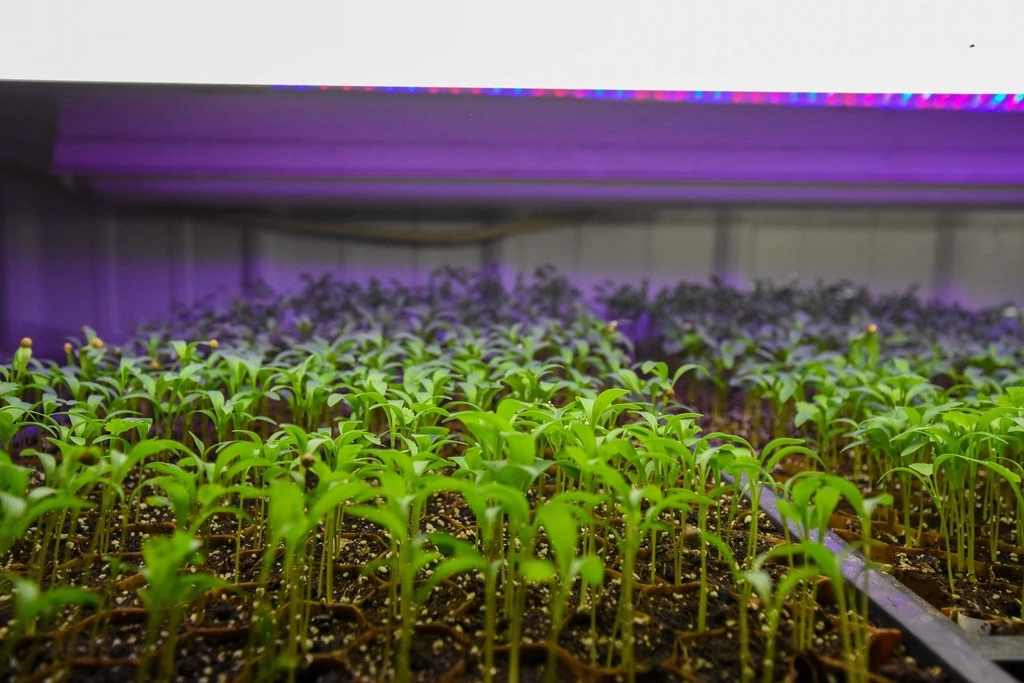
Lighting for Winter Growing: How to Supplement Natural Light for Indoor Gardening
Winter poses unique challenges for indoor gardeners, but with proper lighting strategies, it’s possible to grow lush, healthy crops all season long. Whether practicing soil-based gardening or hydroponics, supplemental lighting plays a critical role in winter productivity and plant health. This guide covers the essentials of indoor lighting for winter growing, provides a practical light schedule template by crop type, and details how to optimize your setup with LED grow lights and timers—all designed for robust seasonal growing and a flourishing indoor gardening lifestyle.
Why Winter Lighting Matters for Indoor Gardens
Natural sunlight diminishes during winter. Shorter days, frequent cloud cover, and low sun angles can dramatically reduce light availability indoors, which directly affects photosynthesis, plant vigor, and yields. Both hydroponics and soil gardening rely on sufficient light for plant growth, but supplemental lighting is especially crucial in environments where natural daylight falls below optimal levels.
- Soil Gardening: Plants rooted in soil need about 10–14 hours of light daily for strong growth, especially leafy greens, herbs, and fruiting plants.
- Hydroponics: Nutrient-rich water can accelerate growth, but only if adequate light is provided; light quality affects root development and overall productivity just as in soil.
Similarities in Lighting Needs for hydroponics and plants in soil
- Photoperiod: Both soil and hydroponic systems require 10–16 hours of strong light for most crops.
- Intensity: LED grow lights with high PAR (Photosynthetically Active Radiation) are ideal for simulating sunlight across all setups.
- Timing: Timers help maintain consistent day-night cycles, crucial for flowering and fruiting stages.
Differences in Lighting Requirements
- Reflectivity and Coverage: Hydroponic setups, often with reflective materials, may distribute light more uniformly. Soil gardens might need repositionable lighting for even coverage.
- Humidity & Heat: Hydroponics often generate extra humidity; LEDs prevent overheating, which benefits both hydroponic and soil environments but is especially important for hydro systems to prevent algae growth.
- Customization: Hydroponic towers or NFT (Nutrient Film Technique) channels sometimes require vertical or side-lighting, while soil containers typically need overhead LEDs.
Seasonal Growing & Lighting Lifestyles
Indoor winter gardening empowers year-round harvests for salads, garnishes, or even fresh vegetables. Adjust lighting according to your indoor gardening goals:
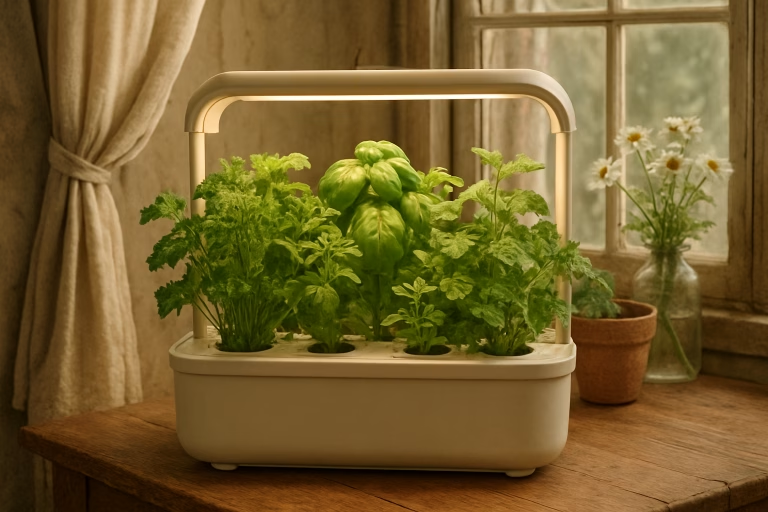
- Casual Growers: A compact LED fixture and timer over a kitchen herb garden or microgreens tray can suffice.
- Enthusiasts & Pros: Modular, high-output LEDs and advanced timers support multiple crops at different growth stages in large hydroponic or soil-based systems.
Incorporating grow lighting into daily routines fosters a healthy indoor garden, providing fresh produce even when outdoor gardens are dormant.
Light Schedule Template by Crop Type
Optimize your indoor garden lighting with these generalized schedules for winter growing:
| Crop Type | Light Hours/Day | Ideal Setup Description |
|---|---|---|
| Leafy Greens | 12–16 | Medium-height LEDs, broad coverage |
| Herbs | 10–14 | LED strips or panels with timer |
| Fruiting (Tomatoes, Peppers) | 14–16 | High-output LEDs, adjustable height |
| Microgreens | 12–14 | Low-to-medium LED intensity |
| Root Vegetables | 12–16 | Overhead LEDs, strong intensity |
Always adjust based on seed instructions and plant response. Timers simplify this process—just set, forget, and observe!
Choosing the Best LED Grow Lights for Winter
LED grow lights are the gold standard for winter growing. LEDs offer:
- Low energy consumption
- Minimal heat output (protects plants from stress)
- Broad spectrum light that supports all growth phases
- Long lifespan vs. fluorescent or incandescent bulbs
Popular LED Types:
- Full-spectrum panels: Good for all crop types
- Strip LEDs: Ideal for shelves or tight spaces
- Cylindrical/vertical: Beneficial for tower or stacked gardens
Placement Tips:
- Maintain appropriate distance from plant canopy (typically 12–24 inches based on intensity)
- Position lights for even coverage, eliminate deep shadows
Automating Winter Lighting with Timers
Smart use of timers ensures plants receive regular and sufficient light, even when you’re busy or traveling. Digital timers with daily or weekly scheduling options are highly recommended. For larger gardens, consider Wi-Fi-enabled smart plugs for remote monitoring and troubleshooting.
Example: Winter Lighting Setup for Indoor Gardeners
A typical winter setup for a home indoor gardener might include:
- 3-foot LED full-spectrum bar mounted above soil or hydro trays
- Barrina Grow Lights for Indoor Plants, 3FT 5000K Daylight White Full Spectrum Plant Lights (affiliate link) are a great option from a reputable brand.
- Reflective side panels (e.g., Mylar or whiteboard) to enhance light efficiency
- A mylar sheet on the wall like this one Plant Growth Mylar High Reflective Mylar Film (affiliate link) works great and is cost effective.
- Digital timer set for 14 hours daily (e.g., 6 AM to 8 PM)
- BN-LINK 8 Outlet Surge Protector with 7-Day Digital Timer (4 Outlets Timed, 4 Outlets Always On) (affiliate link) is a great option for spaces where you need multiple outlets with some always on.
- Adjustable light hangers for changing plant height
- VIVOSUN 2-Pair 1/8 Inch Adjustable Grow Light Hanger (affiliate link) is a great, affordable option to make your existing lights adjustable.
- Optional humidity tray or fan for hydroponics setups
- 2 Pcs Bonsai Humidity Tray is a good option, but a tray or dish with some water and rocks can do the trick too.
This arrangement can foster healthy growth in everything from lettuces to peppers without spikes in electricity consumption or plant stress.
Conclusion: Thriving with Indoor Gardening Through Winter
Supplementing natural light with a well-planned LED lighting setup is the key to year-round indoor gardening success in winter. Whether growing hydroponically or in soil, similarities in lighting requirements dominate: long, consistent photoperiods and high light intensity are musts. Customizing your setup by crop type, automating schedules with timers, and choosing high-efficiency LEDs will maximize growth and harvest.
Adopt these strategies to maintain your plants and enjoy fresh, healthy produce straight from your indoor garden—even on the darkest winter days.
Share this:

Discover more from Soil Free Harvest
Subscribe to get the latest posts sent to your email.