15 Pet‑Safe Plants to Grow in Your Hydroponic Garden
If you love both gardening and animals, hydroponics offers the perfect way to enjoy both worlds. You can grow fresh herbs, edible greens, and safe treats for your pets year‑round without soil mess or outdoor pests. Whether you have cats, dogs, rabbits, or birds, there are plenty of plants that thrive hydroponically and are non‑toxic to your animals.
This guide for SoilFreeHarvest.com covers the best pet‑safe plants to grow in your hydroponic garden, how to set up a simple nutrient system, and recommended tools and grow lights you can use from trusted affiliate brands.
Why Choose Hydroponics for Pets

Hydroponics eliminates soil‑related pests, improves nutrient control, and makes it easier to grow consistent, pesticide‑free food for animals. You can fine‑tune nutrient levels, control exposure, and reduce your reliance on store‑bought greens that may carry chemical residues unsafe for pets.
Some quick advantages include:
- Reduced risk of fungal or pest contamination.
- Consistent supply of greens and safe herbs.
- Space‑saving designs for apartments and small homes.
- Easy cleaning and adjustable pH control for optimal growth.
1. Catnip
Cats adore this aromatic plant, and it grows beautifully in Kratky or Deep Water Culture systems. Choose a cool, bright LED grow light and maintain moderate temperatures. Hydroponic catnip can be trimmed continuously for months, providing a fresh treat for your feline friend.
Affiliate prompt:
Try this easy hydroponic starter bundle iDOO Indoor Garden Kit that includes LED grow light and pod system. Check availability through partnered retailers for up‑to‑date pricing. Look for energy‑efficient models available on Amazon or specialized hydroponic stores.
2. Wheatgrass
Wheatgrass is a top choice for cats, dogs, and birds. It detoxifies and aids digestion. Start from seed in short growing trays using nutrient film technique or simple Kratky jars. Within 7–10 days, you will have lush green shoots ready to harvest.
Affiliate prompt:
An easy way to start is with a Organic Wheatgrass Growing Kit, Self Watering, with Soilless Grow Mats. that comes with grow trays and coco mats. Check availability through partnered retailers for up‑to‑date pricing.
You can also use hydroponics to start your outdoor pet garden. Check out our seed starting guide here: Hydroponic Seed Starting for Beginners.
3. Basil
Safe for both humans and pets, basil adds flavor to meals and repels mosquitoes naturally. Basil thrives under full‑spectrum grow lights and performs best when temperatures remain above 70°F.
Affiliate prompt:
Try FoxFarm Liquid Nutrient Trio: Organic-leaning for rich flavors and aroma, excellent for herbs. It’s ideal for hydroponic basil growth indoors.
To learn more about how to manage nutrients read The Ultimate Guide to Hydroponic Nutrients: Types, Benefits & Best Practices.
4. Parsley

Parsley is an excellent digestive aid for dogs and rabbits. It grows vigorously in Deep Water Culture or Vertical Tower systems. Regular harvesting helps it stay compact and lush.
Affiliate prompt:
Upgrade your setup with a Hydroponics Growing System Kit, 60 Pods Vertical Indoor Garden efficient for multi‑plant herb setups in tight spaces.
5. Lettuce
Lettuce is hydrating, gentle, and safe for most pets. Butterhead and romaine varieties thrive hydroponically and can be harvested within 30 days.
For insights on growing lettuce indoors see our post: Hydroponic Lettuce Troubleshooting.
6. Spinach
Spinach is rich in iron and vitamins, suitable for small servings for rabbits and turtles. Its nutrient demands are higher, so use a balanced hydroponic nutrient mix with extra calcium and magnesium.
7. Mint
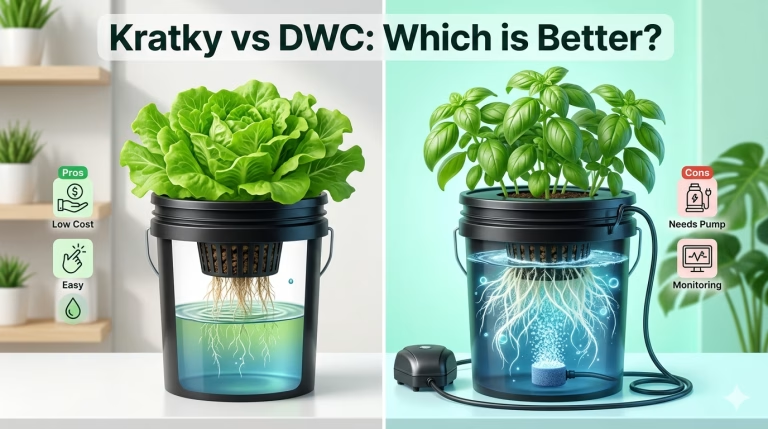
Mint is great for fresh breath and deterring pests. Spearmint and peppermint varieties both thrive in water systems but require regular pruning. You can easily grow mint in a jar with water or go a step further and use the Kratky method with a mason jar. Check out the full Kratky guide here: The Complete Guide to Kratky Hydroponic Method: Build Your Own DIY Passive Growing System
8. Oat Grass
Similar to wheatgrass, oat grass is safe for cats, dogs, rabbits, and guinea pigs. It grows very quickly under modest light and is perfect for window setups.
9. Lemongrass
Many pets enjoy the aroma, and it may help repel fleas naturally. Hydroponically, lemongrass grows well with constant moisture and bright light.
10. Cilantro
Cilantro offers powerful antioxidants and is safe for dogs and rabbits in small amounts. It bolts easily, so maintain cooler water and proper light cycles.
11. Chamomile
Chamomile promotes calmness in both pets and humans. You can feed chamomile leaves or brew gentle teas for pets under vet supervision.
Affiliate prompt:
Grow chamomile successfully with a AeroGarden Sprout – Indoor Garden suitable for compact herbs.
12. Thyme
Thyme contains immune‑supporting properties and helps freshen pet areas naturally. It doesn’t need much water, so use NFT systems with moderate flow.
13. Rosemary
Rosemary purifies indoor air and deters insects. Keep it away from over‑watering; hydroponic drip systems allow the right balance.
14. Dandelion Greens
A favorite among rabbits, tortoises, and birds, dandelion greens are rich in calcium and potassium. Hydroponically they are simple to maintain using liquid nutrient solutions.
15. Endive
Endive adds crunchy texture for guinea pigs and rabbits. Hydroponically grown endive offers cleaner, fresher leaves compared to store produce. Maintain cooler nutrient temperatures for best results.
Setting Up Your Pet‑Friendly Hydroponic System
Start with a simple Kratky jar or DIY vertical tower to save space. For multiple pets, diversify your system across tiers: herbs at the top, grasses mid‑level, and leafy greens below.
Recommended tools and gear for setup:
- Grow trays and net cups
- LED grow light kit
- Balanced nutrient solution
- Air pump and tubing
- pH and EC tester kit
Safety Tips for Pets and Plants
Not every plant is safe for every species. Always confirm a plant’s toxicity level before feeding or letting pets nibble freely.
Keep these hydroponic safety practices in mind:
- Wash all harvested greens before giving them to pets.
- Store nutrient solutions out of reach of animals.
- Use nontoxic, food‑grade plastics and BPA‑free containers.
- Monitor for algae buildup to avoid microbial contamination.
Environmental Conditions for Optimal Growth
Hydroponic plants grow best at 65–75°F with 12–14 hours of light daily. Maintain nutrient pH between 5.8 and 6.3 for leafy greens and herbs.
Integrating Your Pet Hydroponic Garden Indoors
Many pet owners combine small countertop hydroponic units in kitchens, living rooms, or even near pet spaces for easy access. A cat‑safe hydroponic corner with catnip and grasses can double as enrichment for indoor cats.
Internal link suggestion: Best Indoor Hydroponics Systems for Small Apartments.
Quick Maintenance Checklist
- Check water levels every 2–3 days.
- Replace nutrient solution weekly.
- Trim herbs often to prevent flowering.
- Clean reservoirs monthly with mild vinegar solution.
- Rotate plants for even light exposure.
FAQs
Question 1: What hydroponic plants are safe for cats?
Answer: Catnip, wheatgrass, oat grass, and basil are hydroponic plants safe for cats.
Question 2: Can dogs eat hydroponically grown herbs?
Answer: Yes. Parsley, cilantro, and thyme are safe in moderation for dogs.
Question 3: How do I start a pet‑safe hydroponic garden?
Answer: Begin with easy systems like Kratky jars or small tower kits and use pet‑safe water nutrients.
Question 4: Do I need special lights for pet plants?
Answer: Full‑spectrum LED lights mimic sunlight and ensure balanced growth without overheating.
Question 5: Are hydroponic nutrients safe for animals?
Answer: Most nutrients are safe for plant use, but rinse leaves before feeding to animals to avoid residues.
Closing Thoughts
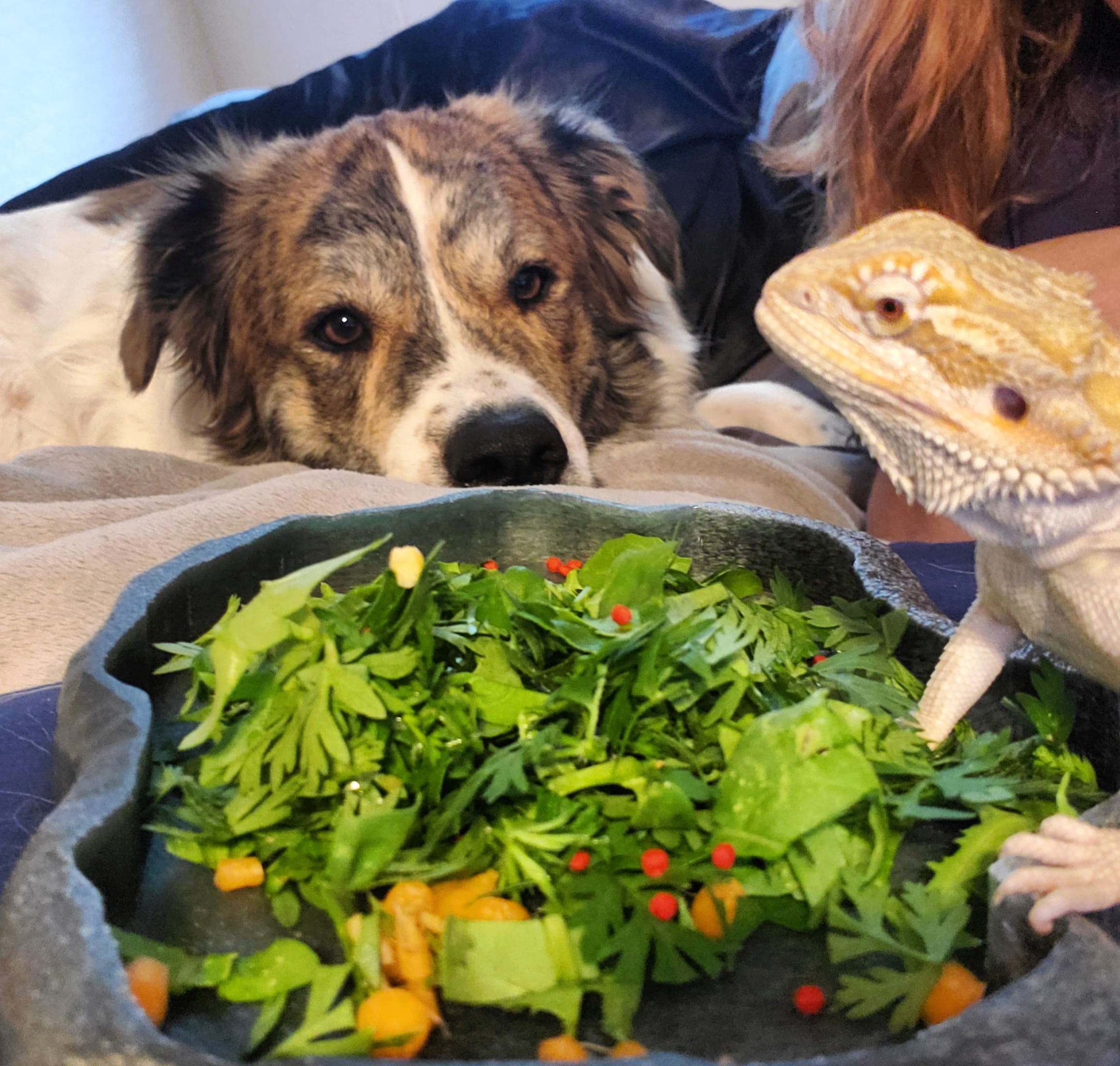
Creating a hydroponic garden for pets is not only rewarding but sustainable. It gives your furry or feathered family fresh greens on demand while you enjoy pesticide‑free, aesthetic indoor greenery. Start small, test various plants from this list, and scale up once you understand your pets’ preferences.
Share this:

Discover more from Soil Free Harvest
Subscribe to get the latest posts sent to your email.