Hydroponic Photoperiods and LED Light Schedules by Crop (2025 Guide)
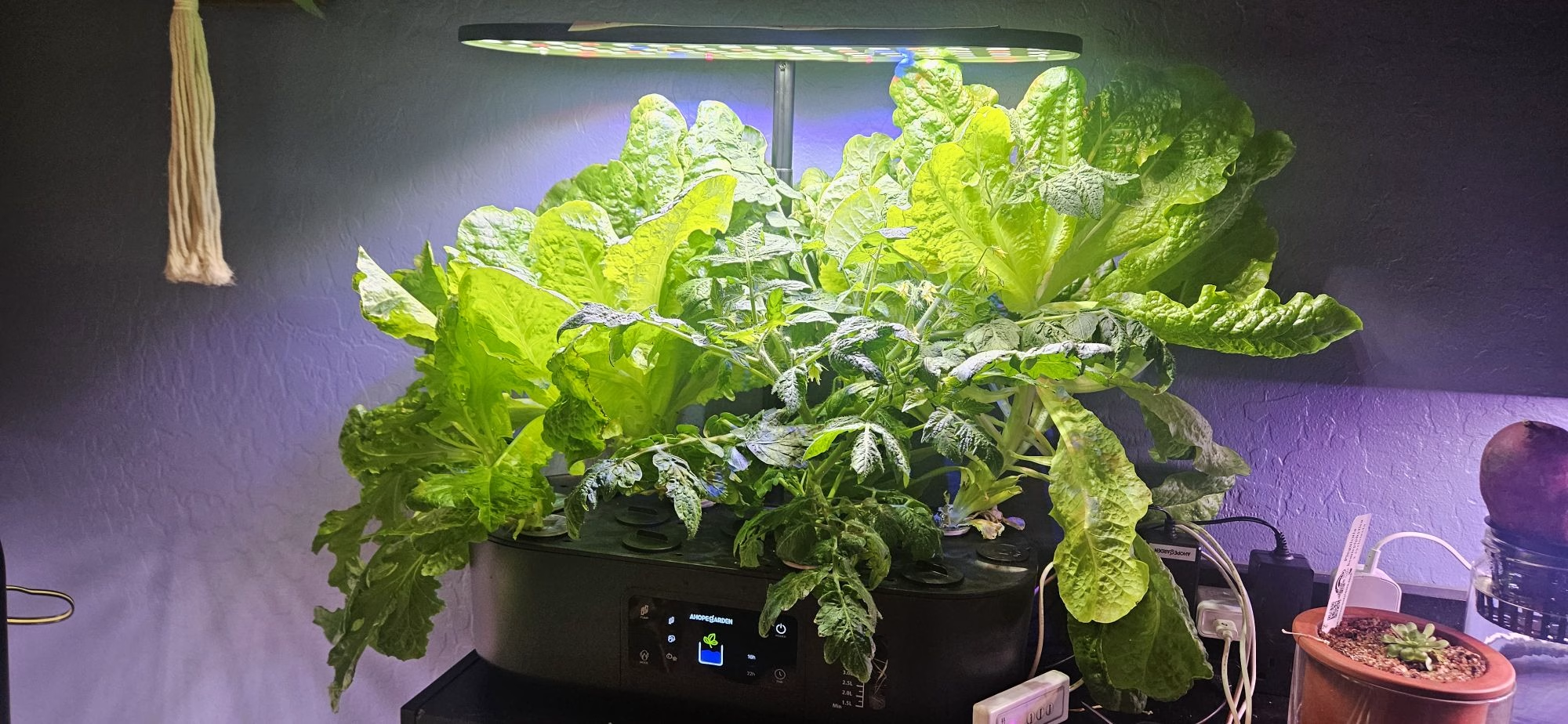
Hydroponic photoperiods and LED light schedules determine how fast your plants grow, when they flower, and how much they yield in an indoor system. Different crops need different “day lengths” and light intensities, so a one-size-fits-all timer setting leaves a lot of potential on the table. By matching your LED schedule to each crop’s photoperiod type and growth stage, you can dramatically improve growth, flavor, and harvest timing.
TL;DR: Most leafy greens and herbs thrive on 14–18 hours of light, fruiting crops like tomatoes and peppers do best around 14–16 hours with higher intensity, and day-length sensitive crops (like strawberries) need more careful control. Start with simple timers, then adjust duration, distance, and dimming based on plant response, heat, and electricity costs.
What are hydroponic photoperiods?
Photoperiod is the length of light and dark your plants receive in each 24-hour cycle. In hydroponics, you control the photoperiod entirely with LED grow lights and timers instead of relying on seasons.
Key points for indoor growers:
- Long-day plants flower or perform best when days are longer than a certain threshold.
- Short-day plants trigger flowering when days are shorter than a critical length.
- Day-neutral plants ignore day length and respond more to total light energy and temperature.
In practical terms, photoperiod is just “hours of light vs dark,” but its effect shows up as:
- Faster or slower vegetative growth
- Earlier or delayed flowering and fruiting
- Changes in flavor, essential oils, and even color
How do LED grow lights interact with photoperiod?
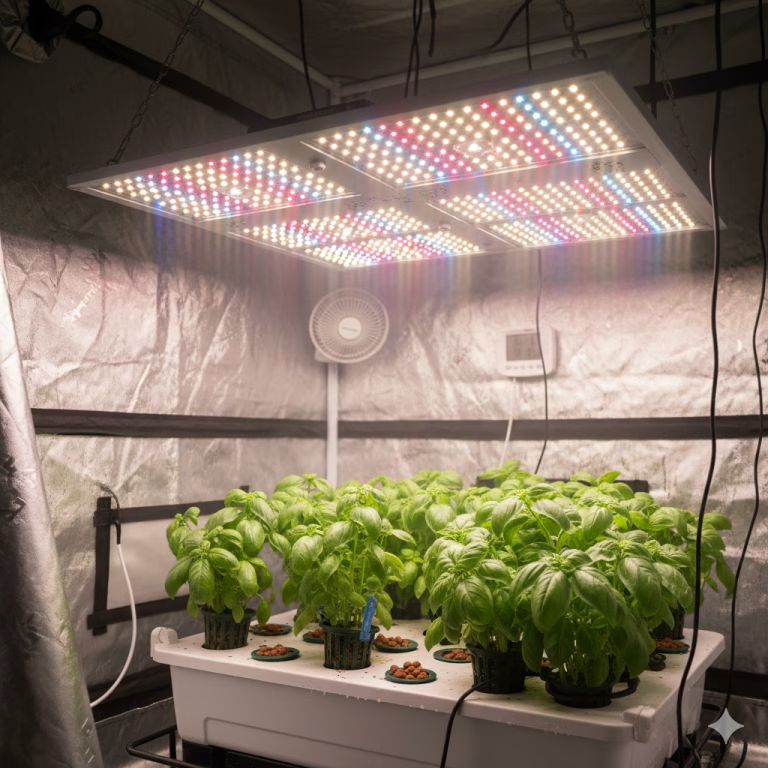
LED grow lights give you independent control over spectrum, intensity, and duration, which together define the light environment. Photoperiod is the duration piece: how long the LEDs stay on each day.
Important concepts for hydroponic LEDs:
- Intensity: Often measured as PPFD (µmol/m²/s); higher light needs shorter photoperiods to avoid stress.
- DLI (Daily Light Integral): Total light plants receive per day; low intensity can be offset with longer hours, up to the crop’s tolerance.
- Spectrum: Full-spectrum white with added red/blue works well for most home systems, but photoperiod control matters more than fine-tuning spectrum for beginners.
For home growers using simple fixtures:
- Focus first on correct hours per day by crop type.
- Then adjust hanging height or dimming if leaves bleach, curl, or look “hard and compact.”
What photoperiod types matter in hydroponics?
Hydroponic crops fall into three broad photoperiod categories.
- Long-day crops
- Often leafy greens and some cool-season herbs
- Perform well at 14–18 hours of light
- Examples: lettuce, spinach, many brassicas, some types of onions
- Short-day crops
- Flower and fruit when days are shorter (usually below 12–14 hours)
- More common in commercial setups than small home grows, but still relevant for some strawberries and specialty crops
- Day-neutral crops
- Focus on overall light quantity and plant age rather than day length
- Many modern tomato, cucumber, pepper, and basil varieties fall here, especially bred for greenhouse or indoor production.
For most apartment and home hydroponic systems, you can treat:
- Leafy greens as long-day crops
- Fruit-bearing veggies and many herbs as day-neutral crops
- Strawberries and some specialty flowers as day-length sensitive crops that need more careful schedules
Hydroponic crop difficulty levels → hydroponic crops by difficulty
What are ideal LED schedules by crop type?
The table below gives practical starting points for common hydroponic crops. Adjust slightly based on your specific fixture power, grow space temperature, and plant response.
Recommended photoperiods and light notes by crop
| Crop type | Typical systems (DWC, NFT, etc.) | Recommended light hours | Stage notes | Extra tips |
|---|---|---|---|---|
| Lettuce & baby greens | Kratky, DWC, NFT | 14–18 hours | Same schedule from seedling to harvest | Keep temps cool to avoid bolting. |
| Spinach & Asian greens | DWC, NFT, ebb and flow | 14–16 hours | Slightly lower temps than lettuce | Higher light can improve texture. |
| Basil & leafy herbs | Kratky, DWC, small systems | 14–18 hours | Strong vegetative growth focus | Longer days increase essential oils. |
| Woody herbs (rosemary) | Media beds, drip, DWC with support | 12–16 hours | Slower growth, less total DLI needed | Avoid extremes in photoperiod. |
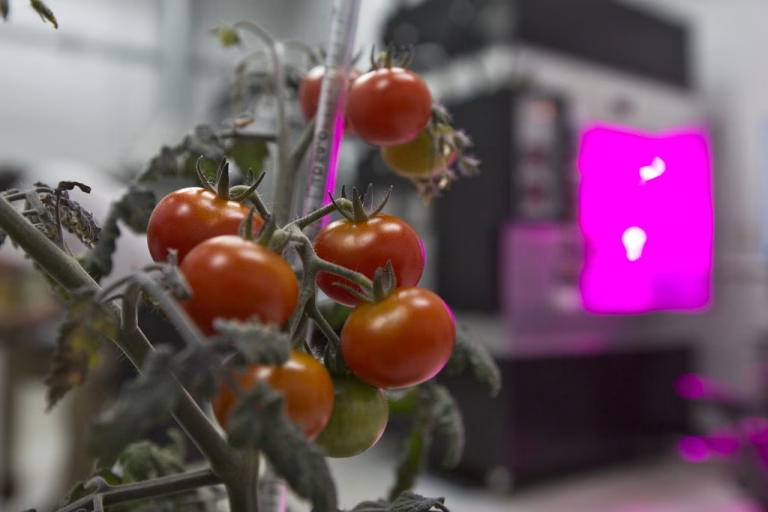
| Tomatoes | DWC, Dutch buckets, drip NFT | 14–16 hours | 12–14 hours for flowering, 16 in veg | Too long days + heat can cause blossom drop. |
| Peppers & chiles | DWC, Dutch buckets, coco drip | 14–16 hours | Similar to tomatoes | Moderate day length, high intensity. |
| Cucumbers | DWC, NFT with strong trellising | 12–14 hours | Sensitive to heat stress | Prioritize intensity over very long days. |
| Strawberries | NFT, vertical towers, gutter systems | 12–16 hours | Depends on variety (short-day, day-neutral) | Research your cultivar’s photoperiod type. |
| Microgreens | Trays in shallow DWC/Kratky or pads | 12–18 hours | High density, short cycle | Longer hours at moderate intensity work well. |
| Edible flowers | NFT, DWC, media beds | 12–16 hours | Many behave like ornamental bedding plants | Watch for stretching under low light. |
DWC hydroponics → deep water culture guide
Kratky method → Kratky hydroponics for beginners
How should you adjust photoperiod by growth stage?
Even day-neutral crops benefit from different light schedules in seedling, vegetative, and fruiting stages. Simple changes can reduce stretching, improve flowering, and save power.
Seedlings in hydroponics
- Typical schedule: 16–18 hours on, 6–8 hours off
- Priority: gentle, even light to prevent leggy growth
- Use higher hanging height or dimming for strong fixtures so cotyledons do not bleach.
Vegetative growth
- Leafy greens and herbs: 14–18 hours, depending on crop and fixture
- Fruiting crops (tomatoes, peppers, cucumbers): 16 hours is a solid starting point
- Check internode spacing; tight, compact growth suggests good light, while excessive stretch suggests too little intensity or too short a day.
Flowering and fruiting
- Many fruiting crops perform well at 12–14 hours on
- Reducing photoperiod slightly can encourage flowering while keeping enough DLI for fruit set
- For strawberries and some flowers, moving from 16 to 12 hours can help signal flowering, depending on cultivar.
Hydroponic pollination problems → Indoor pollination for fruiting crops
How do different hydroponic systems influence light strategy?
The hydroponic system determines plant spacing, canopy shape, and how close fixtures can be placed, which all affect light schedule decisions.
- Kratky jars and bins
- Compact, often used for herbs and lettuce on shelves
- Short plants can sit closer to LEDs with lower wattage
- Longer photoperiod with moderate intensity works well
- DWC tubs and rafts
- Larger plants, thicker canopies
- Requires more uniform coverage across the whole tank
- Medium photoperiod with higher intensity is efficient for mixed crops
- NFT channels and vertical towers
- Plants at multiple heights or in continuous lines
- Side lighting or multiple fixtures improves uniformity
- Photoperiod often limited by the most light-sensitive crop in the system
Hydroponic system types → Comparison of DWC, NFT, ebb and flow, Kratky
How do you build a daily LED light schedule?
For home and apartment growers, a simple timer is usually enough. The key is choosing a schedule that matches your lifestyle, keeps heat manageable, and supports your crops.
Practical scheduling tips
- Run main lights when your space is naturally cooler if you live in a hot climate like Arizona.
- Split schedules are possible (for example, 6 hours on, 3 off, 8 on, 7 off) but a single continuous block is simpler and works well for most crops.
- Keep at least 6 dark hours per day so plants can respire and manage stress, especially for fruiting crops.
Example schedules:
- Leafy greens and herbs: 6 am to 10 pm (16 hours)
- Fruiting crops: 7 am to 9 pm (14 hours)
- Mixed systems: 7 am to 11 pm (16 hours) with sensitive plants placed at edges or partial shade
How-To: Set up a hydroponic LED light schedule by crop
Title: Set a crop-specific LED schedule for your hydroponic system
Description: A step-by-step process to choose and implement photoperiods for multiple hydroponic crops using common LED fixtures and basic timers.
Materials and tools
- LED grow light(s) sized for your grow area
- Mechanical or digital outlet timer
- Ruler or tape measure
- Notebook or digital log for recording changes
- Optional: light meter or PAR meter
Step 1: Identify your crops and growth stages
List your crops by type, such as leafy greens, herbs, fruiting vegetables, strawberries, or microgreens. Note whether each crop is in seedling, vegetative, or flowering/fruiting stage so you can assign appropriate hours.
Step 2: Choose a base photoperiod for your main crop
Pick one “primary” crop that matters most to you, such as lettuce in a salad system or tomatoes in a fruiting system. Use recommended hours as a starting point, for example 16 hours on for leafy greens or 14 hours for fruiting crops.
Step 3: Adjust for your climate and heat
Consider how much heat your lights add to the room, especially in hot, dry climates. If your space runs warm, schedule lights to avoid the hottest afternoon hours or use slightly shorter days to reduce heat buildup.
Step 4: Set the timer on/off times
Program your mechanical or digital timer with your chosen light-on and light-off times. Keep the dark period consistent every day so plants experience a stable rhythm without frequent shifts.
Step 5: Set LED hanging height or dimming
Measure the distance from the LEDs to the top of the canopy (often 12–24 inches for common home fixtures). If you see leaf curling or bleaching, raise the light or dim it rather than cutting hours drastically at first.
Step 6: Monitor plant response for 7–10 days
Watch for stretching, pale color, or burnt leaf tips as indicators that intensity or hours need tweaking. Record any changes in your log so you can see which settings led to better growth over time.
Step 7: Fine-tune photoperiod by crop group
If you run a mixed system, cluster similar crops together and adjust your schedule toward what your “most demanding” plants need. For example, keep fruiting peppers directly under the brightest area while placing lettuce near the edges of your light footprint.
Step 8: Revisit schedules at each stage change
When crops move from vegetative to flowering or you swap out harvests, check whether photoperiod needs an update. Keeping a simple habit of reassessing schedules during major changes helps prevent stalled growth and underperformance.
What are the benefits and drawbacks of longer vs shorter photoperiods?
Photoperiod is always a tradeoff between faster growth, electricity cost, and stress tolerance. Longer is not always better.
Longer photoperiods (16–18 hours)
Benefits:
- More total light (higher DLI) with modest fixtures
- Faster vegetative growth for leafy crops
- Better yields from low-wattage setups
Drawbacks:
- Higher power bills
- More heat accumulation in small spaces
- Some crops may show stress, tip burn, or delayed flowering
Shorter photoperiods (10–14 hours)
Benefits:
- Lower electricity use and heat
- Better alignment with flowering cues for certain crops
- Simpler to keep a strong dark period for plant recovery
Drawbacks:
- Requires stronger intensity to maintain yields
- Seedlings and leafy greens may grow slower
- Easier to under-light plants in winter or darker rooms
How do you troubleshoot light schedule and photoperiod problems?
Light-related issues often look like nutrient or pest problems at first glance. Paying attention to how symptoms line up with your schedule changes helps narrow the root cause.
Common signs your schedule or intensity needs adjustment:
- Long, weak stems (stretching): Usually not enough light intensity or too short a day.
- Leaf tip burn and crispy edges: Light too intense or photoperiod too long combined with low humidity.
- Plants refusing to flower: Photoperiod too long for short-day crops or not enough total light for fruiting.
Simple troubleshooting steps:
- First adjust distance or dimming; then fine-tune hours.
- Change only one variable at a time and wait several days to see results.
- Use photos and notes so you can compare plant response to each setting.
Hydroponic troubleshooting guide → Diagnosing common hydroponic plant problems
Root rot in hydroponics → Preventing and fixing hydroponic root rot
How do photoperiods interact with nutrients and environment?
Light, nutrients, and environment are tightly connected in hydroponic systems. If you increase photoperiod and intensity without adjusting other variables, you can accidentally push plants into deficiency or stress.
Key interactions:
- Higher light and longer days often require slightly higher EC, especially for heavy feeders like tomatoes and peppers.
- Transpiration increases with light intensity, so your system may need more frequent top-offs and closer pH monitoring.
- Temperature and humidity strongly affect how plants use the light you give them, especially in arid climates.
Hydroponic nutrients guide → Choosing and mixing hydroponic nutrients
Which crops are best for beginners learning photoperiod control?
When learning photoperiod and LED schedules, start with forgiving crops that tolerate small mistakes. Once you are comfortable dialing in schedules, move on to light-sensitive, higher-value plants.
Great beginner choices:
- Leafy lettuces, especially loose-leaf varieties
- Basil, mint, and parsley
- Microgreens and baby greens mixes
Intermediate and advanced choices:
- Tomatoes, peppers, and cucumbers in DWC or Dutch buckets
- Strawberries in NFT or vertical towers
- Edible flowers and specialty herbs with specific flowering needs
Hydroponic starter crops → Best hydroponic crops for beginners
Hydroponic edible flowers → Growing edible flowers indoors with hydroponics
FAQ: Hydroponic photoperiods and LED schedules
How many hours of light do hydroponic plants need each day?
Most hydroponic leafy greens and herbs do best with 14–18 hours of LED light per day and at least 6 hours of darkness. Fruiting crops like tomatoes and peppers usually thrive around 14–16 hours, especially when intensity is strong enough.
Can I use the same light schedule for all crops in one system?
You can run a single schedule, but you will be compromising slightly for at least one crop. A good approach is to choose a moderate 14–16 hour day and then place light-sensitive plants at the edges or slightly shaded areas of the canopy.
Is 24 hours of light ever a good idea for hydroponics?
Continuous 24-hour lighting is rarely a good idea, even for leafy greens. Plants need a dark period to reset, manage metabolic processes, and avoid long-term stress, so aim for at least 6 hours of darkness.
How do I know if my LED lights are too strong or too weak?
If plants are stretching, leaning toward the light, or looking pale, intensity is likely too low. If leaf edges curl up, bleach, or feel dry and crispy, the lights may be too intense or hanging too close.
Does photoperiod affect hydroponic yield?
Yes, photoperiod directly impacts yield because it changes the total daily light your plants receive. Properly tuned hours combined with appropriate intensity often increase harvest weight and quality compared to arbitrary “set and forget” schedules.
How quickly will plants respond to a schedule change?
Most crops show visible changes in growth habit within 5–10 days after a photoperiod adjustment. Flowering or fruiting responses can take longer, depending on the plant’s natural cycle and previous stress.
What is the best timer for controlling hydroponic light schedules?
Simple digital outlet timers are usually enough for small home systems and allow you to program precise on/off times. Smart plugs with app control are helpful if you want to monitor or adjust schedules away from home.
Do I need different LED spectrums for different photoperiods?
You do not need separate spectrums, especially as a home grower. A good quality full-spectrum LED combined with the right hours and intensity will work for nearly all beginner and intermediate hydroponic crops.
How do I manage light schedules in a hot, dry climate?
In hot, dry regions, shifting your photoperiod earlier or later in the day helps avoid stacking heat from both the sun and your LEDs. Running lights overnight or during cooler hours can keep plants happier and reduce cooling costs.
Author note: SoilFreeHarvest is written by a hydroponic grower based in Phoenix, Arizona, focused on indoor and small-space systems that survive hot, dry conditions and real-world house layouts. The goal is to translate that hands-on experience into practical guides any home grower can use to get reliable harvests without lab-grade gear.
Share this:

Discover more from Soil Free Harvest
Subscribe to get the latest posts sent to your email.







One Comment