How to Troubleshoot Pollination Issues in Hydroponic Crops
Understanding Pollination Challenges in Indoor Hydroponic Systems
Pollination problems represent one of the most frustrating obstacles for hydroponic growers cultivating fruit-bearing crops. When flowers bloom abundantly but fail to produce fruit, or when fruits develop partially and drop prematurely, inadequate pollination is typically the culprit. Indoor hydroponic environments lack the natural pollinators like bees, butterflies, and wind that outdoor gardens rely upon, making manual intervention essential for successful fruit production.
The absence of natural pollination mechanisms in controlled environments means growers must actively facilitate the transfer of pollen from male to female flower parts. This challenge affects popular hydroponic fruit crops including tomatoes, peppers, strawberries, cucumbers, melons, and squash. Understanding the specific pollination requirements of each crop type forms the foundation for troubleshooting yield problems and maximizing harvest productivity.
Affiliate Disclosure: This article contains affiliate links. If you purchase through these links, soilfreeharvest.com may earn a small commission at no extra cost to you.
Identifying Common Pollination Problems and Their Root Causes
Flowers Without Fruit Development
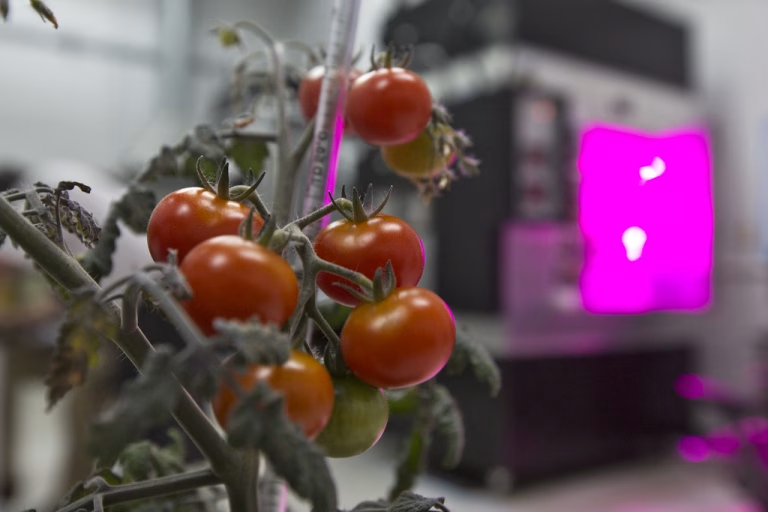
The most recognizable symptom of pollination failure occurs when plants produce abundant flowers that never develop into fruit. This issue typically stems from inadequate pollen transfer during the critical fertilization window. In self-pollinating crops like tomatoes and peppers, flowers contain both male and female parts within the same bloom, yet still require physical movement or vibration to bring these parts into contact.
Quality pollination tools like soft-bristle artist brushes or electric pollination devices can significantly improve fertilization rates in your hydroponic garden. Amazon has a 12-pack of brushes for under $10 here: Pollination brush
Premature Flower Drop
Blossom drop before pollination occurs indicates environmental stress factors interfering with the reproductive cycle. Excessive heat above 85°F (29°C) causes pollen to become sterile and flowers to abort before fertilization. Inadequate air circulation creates stagnant conditions that prevent natural flower movement and pollen distribution.
Temperature regulation becomes critical during flowering periods, with most fruiting vegetables preferring ranges between 70°F to 80°F (21°C to 27°C) for optimal pollen viability.
Incomplete Fruit Development
Partially developed fruits that remain small or misshapen signal incomplete pollination events. When only some ovules receive pollen, fruits begin forming but lack the complete fertilization needed for full maturation. This problem frequently affects cucumbers, melons, and strawberries where thorough pollen coverage across all stigma surfaces determines fruit quality.
Male Flowers Appearing Without Female Flowers
Cucurbit crops including cucumbers, melons, and squash produce male flowers several days to weeks before female flowers emerge. This natural growth pattern confuses new growers who attempt pollination before female flowers develop. Environmental stressors including excessive nitrogen, inadequate lighting, or temperature extremes can delay female flower production.
Manual Pollination Techniques for Different Fruit Crops
Self-Pollinating Plants (Tomatoes, Peppers, Eggplants)
Self-pollinating species contain complete flowers with both male stamens and female pistils in each bloom. While these plants can technically fertilize themselves, indoor environments require growers to simulate natural pollination triggers.
Electric Toothbrush Method: Battery-operated toothbrushes create vibrations that mimic the buzz of bumblebees, releasing pollen within the flower structure. Place the vibrating brush against the stem just behind each flower cluster for 3 to 5 seconds during morning hours when pollen remains most viable. This technique proves especially effective for tomatoes and peppers, significantly increasing fruit set percentages.
Stem Shaking Technique: Gently tap or shake the main stem of tomato plants using quick, light motions with your palm. This movement distributes pollen within closed tomato flowers that cannot be accessed with brushes. Perform this technique every other day during peak flowering periods.
If you plan on having a large-scale hydroponic garden, consider investing in a dedicated electric pollinator tool designed specifically for hydroponic gardens, offering adjustable vibration settings for different plant types.
Cross-Pollinating Plants (Cucumbers, Melons, Squash)
Cucurbit family crops produce separate male and female flowers on the same plant. Male flowers appear on thin stems while female flowers feature a small immature fruit (ovary) at their base. Successful pollination requires manual pollen transfer from male to female flowers during their brief receptivity window.
Paintbrush Method: Use a small, soft-bristle paintbrush to collect bright yellow pollen from inside fully opened male flowers. Gently brush the collected pollen onto the sticky stigma at the center of female flowers. Each male flower provides enough pollen to fertilize 2 to 3 female flowers. Clean your brush between different plant varieties to prevent unwanted cross-pollination.
Direct Contact Method: Alternatively, remove a fully opened male flower, peel back its petals to expose the pollen-covered anther, and directly touch it to the stigma of female flowers. This technique ensures maximum pollen transfer and works exceptionally well for squash and melon varieties.
Strawberry Pollination Requirements
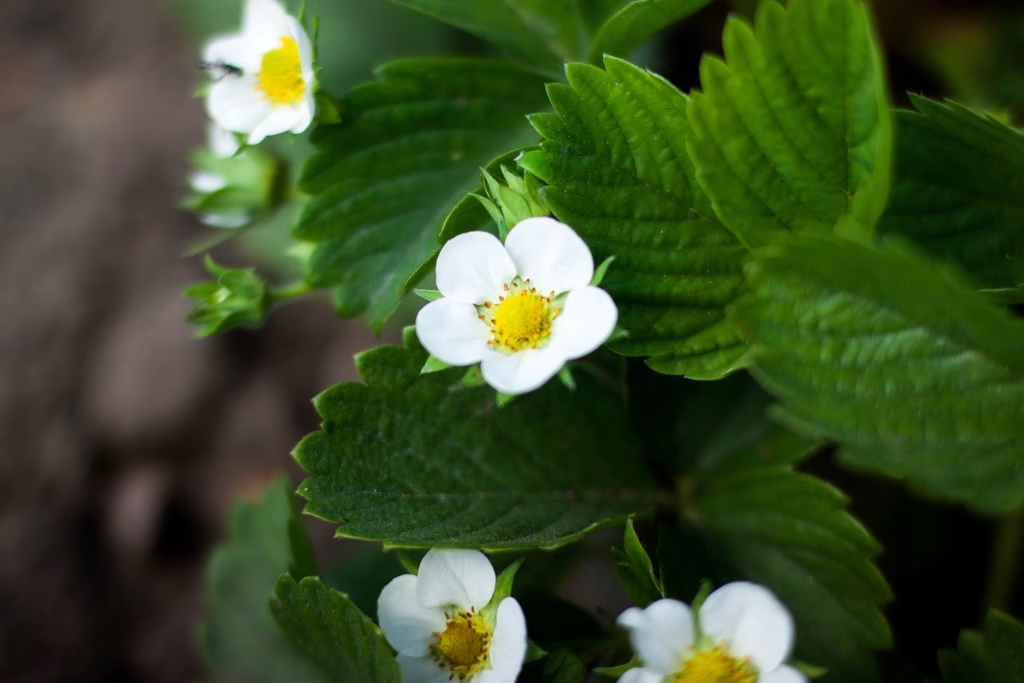
Strawberry flowers contain both male and female parts but benefit significantly from assisted pollination to produce larger, more uniform berries. Use a pollination brush or a soft artist brush to gently swirl inside each strawberry flower, ensuring pollen contacts all parts of the receptacle. Incomplete pollination results in misshapen berries with underdeveloped sections.
Environmental Factors Affecting Pollination Success
Temperature Management
Temperature extremes represent the primary environmental factor undermining pollination effectiveness. High temperatures above 85°F (29°C) reduce pollen viability and cause flower abortion. Cold conditions below 55°F (13°C) slow pollen tube growth and prevent successful fertilization even when pollination occurs.
Maintain consistent temperatures within each crop’s optimal range. Leafy crops tolerate 65°F to 75°F (18°C to 24°C), while warm-weather fruiting vegetables prefer 70°F to 80°F (21°C to 27°C). Install reliable temperature monitoring systems and climate control equipment to prevent fluctuations during critical flowering periods.
Humidity Control
Humidity levels between 50% and 60% support optimal pollination in most fruiting vegetables. Excessive humidity above 70% causes pollen grains to clump together and become too heavy for effective transfer. Conversely, very low humidity below 40% dries out stigma surfaces, preventing pollen adhesion and germination.
Install hygrometers throughout your growing space to monitor humidity consistently. Use dehumidifiers in humid climates or during winter months when ventilation remains limited. In arid environments, strategic misting or humidifiers maintain adequate moisture levels without oversaturating the air.
Air Circulation and Ventilation
Gentle air movement serves multiple pollination-supporting functions in hydroponic systems. Fans create subtle plant motion that facilitates self-pollination in tomatoes and peppers. Constant airflow strengthens stems, prevents fungal diseases, and ensures fresh carbon dioxide reaches all plant surfaces.
Position oscillating fans to provide continuous but gentle air movement across the canopy without directly blasting flowers. Excessive wind causes flower damage and premature petal drop, while stagnant air fails to provide adequate pollination assistance.
Oscillating circulation fans with adjustable speeds let you customize airflow intensity for different growth stages and crop types. A reliable fan that you can use in a grow tent or out is the VIVOSUN AeroWave A6 Grow Tent Clip Fan available on Amazon.
Lighting Considerations
While light doesn’t directly affect the pollination mechanism, inadequate or excessive lighting impacts flower production and pollen viability. Fruiting vegetables require more than 5 hours of intense direct light daily to produce flowers and support fruit development. Insufficient lighting causes plants to abort flowers before they open or produce weak blooms with low pollen counts.
Full-spectrum LED grow lights provide consistent photosynthetic photon flux (PPF) levels throughout the year. Position lights at manufacturer-recommended distances to deliver adequate intensity without heat stress that damages flowers.
Timing and Frequency of Manual Pollination
Optimal Pollination Schedule
Morning hours between 6:00 AM and 10:00 AM represent the ideal pollination window for most hydroponic fruit crops. Pollen remains freshest and most viable during early morning hours when flowers have recently opened. Humidity levels naturally rise overnight, creating optimal conditions for pollen adhesion to receptive stigmas.
Pollinate self-pollinating crops like tomatoes and peppers every 2 to 3 days throughout the flowering period. Cross-pollinating crops including cucumbers and melons require daily monitoring to identify newly opened female flowers, which remain receptive for only 1 to 2 days.
Recognizing Flower Readiness
Successful pollination depends on identifying flowers at peak receptivity. Fully opened flowers with visible stamens and pistils indicate readiness for pollination. Closed buds or wilting flowers past their prime produce poor fertilization results.
Male flowers in cucurbits typically open several hours before female flowers on the same plant. Collect pollen from male flowers immediately after they open, then wait for female flowers to reach full expansion before transferring pollen.
Advanced Troubleshooting Strategies
Nutrient-Related Pollination Problems
Excessive nitrogen promotes vigorous vegetative growth at the expense of flower production and fruit set. High nitrogen levels can also delay female flower formation in cucurbit crops. Conversely, phosphorus and potassium deficiencies undermine flower quality and reduce successful pollination rates.
Transition to bloom-specific nutrient formulations when plants enter flowering stages. These specialized solutions provide increased phosphorus and potassium while moderating nitrogen levels to support reproductive development.
FoxFarm Tiger Bloom Liquid Fertilizer Concentrate nutrient solution is specifically formulated for fruiting stages to optimize flower production and fruit development.

Plant Stress Indicators
Stressed plants prioritize survival over reproduction, aborting flowers and fruits to conserve resources. Signs of stress include wilting, discolored foliage, stunted growth, and excessive leaf drop. Root problems, pH imbalances, pest infestations, or disease infections all trigger stress responses that undermine pollination success.
Conduct regular system checks to identify and resolve stress factors before they impact flower production. Monitor EC levels, pH stability, root health, and pest presence weekly throughout the growing cycle.
Overcrowding and Competition
Densely planted hydroponic systems create competition for light, nutrients, and airflow. Overcrowded conditions prevent adequate access for manual pollination and restrict natural plant movement that assists self-pollination. Crowded flowers may not open fully, making pollen transfer difficult or impossible.
Follow recommended plant spacing guidelines for each crop type. Prune excess foliage to improve air circulation around flowering zones and provide clear access for pollination activities.
For more troubleshooting information, see our guide: Hydroponic Problems and Solutions: How to Troubleshoot and Fix Common Issues Indoors
Pollination Tools and Equipment Recommendations
Essential Manual Pollination Tools
Soft-bristle artist brushes in sizes 4 to 8 accommodate various flower sizes from small strawberry blooms to large tomato flowers. Natural fiber brushes collect and transfer pollen more effectively than synthetic bristles. Maintain separate brushes for different plant varieties to prevent unwanted cross-pollination.
Cotton swabs provide an accessible alternative for occasional pollination needs, though they prove less efficient than dedicated brushes. The cotton fibers absorb some pollen rather than transferring it effectively to target flowers.
Professional pollination brush kits include multiple brush sizes, storage cases, and cleaning solutions for maintaining tool hygiene between uses.
Electric Pollination Devices
Battery-operated electric toothbrushes effectively pollinate tomatoes, peppers, and eggplants by mimicking natural bee vibrations. The buzz pollination technique releases pollen within self-pollinating flowers without damaging delicate structures. Dedicated electric pollinators designed for greenhouse and hydroponic use offer adjustable vibration frequencies for different crop types.
Environmental Monitoring Equipment
Digital thermometer-hygrometer combinations track temperature and humidity continuously. Smart monitoring systems with remote alerts notify growers when conditions drift outside optimal ranges. pH and EC meters ensure nutrient solutions remain balanced throughout flowering and fruiting stages.
Smart environmental monitoring systems with smartphone connectivity let you track growing conditions remotely and receive alerts for immediate troubleshooting. Bluelab Guardian Monitor Wi-Fi for Real-time pH, Temperature, and Conductivity (TDS) Measurements in Water with Calibration is a good choice from a reputable brand for smart monitoring.
Frequently Asked Questions (FAQ Schema)
Q: Why do my hydroponic tomatoes have flowers but no fruit?
A: Tomato flowers require physical vibration or movement to release pollen within the self-pollinating flower structure. Indoor environments lack bees and wind that naturally provide this stimulation. Use an electric toothbrush, gentle stem shaking, or install circulation fans to facilitate pollination.
Q: How can I tell the difference between male and female cucumber flowers?
A: Female cucumber flowers have a small immature cucumber (ovary) at the base of the bloom, while male flowers grow on thin stems without any fruit structure. Male flowers typically appear first, with female flowers developing 1 to 2 weeks later.
Q: What time of day should I pollinate hydroponic plants?
A: Early morning between 6:00 AM and 10:00 AM provides optimal conditions for pollination. Pollen remains most viable during these hours, and overnight humidity creates ideal conditions for pollen adhesion and germination.
Q: Can high temperatures prevent fruit set in hydroponic systems?
A: Yes, temperatures above 85°F (29°C) cause pollen sterility and flower abortion in most fruiting vegetables. Maintain temperatures between 70°F and 80°F (21°C to 27°C) during flowering periods for optimal pollination success.
Q: How often should I manually pollinate hydroponic strawberries?
A: Pollinate strawberry flowers every 2 days while lights are on and flowers remain open. Consistent pollination throughout the receptive period produces larger, more uniform berries.
Q: Do I need different pollination techniques for peppers versus tomatoes?
A: Both peppers and tomatoes are self-pollinating and respond well to vibration methods using electric toothbrushes or gentle stem shaking. However, peppers may also benefit from occasional brush pollination across multiple flowers.
References:
- https://pmc.ncbi.nlm.nih.gov/articles/PMC8706146/
- https://extension.unh.edu/blog/2022/02/hydroponic-home-post-webinar-qa
- https://www.sciencedirect.com/science/article/pii/S2949736124000113
Share this:

Discover more from Soil Free Harvest
Subscribe to get the latest posts sent to your email.







2 Comments