Best Hydroponic Kits for Kids and STEM Learning in 2025
Hydroponic gardening represents one of the most engaging ways to introduce children to science, technology, engineering, and mathematics concepts through hands-on learning. These soil-free growing systems not only captivate young minds but also provide practical lessons in plant biology, chemistry, and environmental science. Whether you’re a parent looking to spark your child’s interest in science or an educator seeking innovative classroom tools, the right hydroponic kits for kids can transform learning into an exciting adventure.
Why Choose Hydroponic Kits for Educational Purposes?
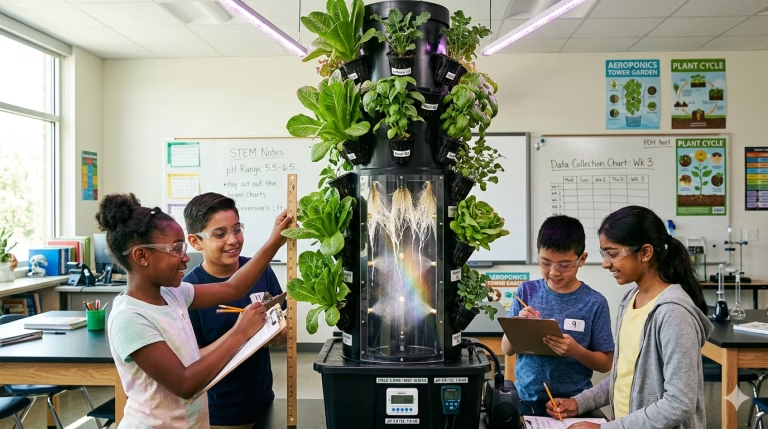
Educational hydroponic systems offer unique advantages that traditional soil-based gardening cannot match. Students can observe root development clearly through transparent containers, monitor nutrient uptake in real-time, and understand plant biology at a deeper level. These systems teach critical thinking and problem-solving skills as children learn to maintain optimal growing conditions, troubleshoot pH imbalances, and adjust nutrient levels.
Research demonstrates that hydroponic programs significantly improve students’ scientific knowledge, critical thinking abilities, and social-emotional well-being. The hands-on nature of hydroponics creates context for math and science lessons, making abstract concepts tangible and memorable. Children develop responsibility while caring for their plants, experience pride as seeds transform into flourishing vegetables, and strengthen family bonds through collaborative gardening projects.
Top Educational Hydroponic Kits for Different Age Groups
For Younger Children (Ages 6-10)
Nancy B’s Science Club Hydroponics Kit provides an excellent introduction for elementary-age children. This kit includes two clear flasks with thermometers, trellises with rulers, seed baskets, and a comprehensive 22-page activity journal. The transparent flasks allow children to observe both root and shoot development simultaneously, creating a complete learning experience about plant growth cycles.
Farming The Future provides an outstanding alternative with their K-12 STEM Student Microgreen Kit classroom bundles. These kits are specifically designed as take-home projects that complement classroom learning, similar to NY Sun Works’ approach. Each classroom bundle includes 30 individual student kits containing radish seeds, spray bottles, soil pellets, and comprehensive instructions. The kits integrate seamlessly with their Table Top Living Labs curriculum and provide hands-on experience with the complete scientific method: questioning, hypothesizing, testing, and analyzing.
For Middle School Students (Ages 11-14)
Leaf’d Box Mini Hydroponic Education Kit combines technology with hands-on learning. This system grows 12 plants simultaneously and includes automated lighting timers, comprehensive growing supplies, and eight weeks of online curriculum designed specifically for K-12 students. The kit comes with expert-led instructional videos and live support from hydroponic gardening professionals.
Click & Grow Smart Garden systems represent the best option for classroom herb growing. These systems use patented “smart soil” that contains all necessary nutrients, making them incredibly user-friendly for students. The modular design allows for easy expansion, and the aesthetic appeal makes them suitable for classroom environments.
For High School and Advanced Learners (Ages 15+)
Rise Garden Educational Systems offer the most comprehensive learning experience for advanced students. These modular systems can accommodate 36-108 plants and include full-spectrum LED lighting, companion apps for monitoring, and extensive curriculum support. The systems integrate seamlessly with STEM education standards and provide opportunities for entrepreneurship projects through farmer’s markets and product sales.
Gardyn Home Systems provide AI-automated growing experiences perfect for technology-focused classrooms. These vertical systems grow 30 plants in just 2 square feet of space, incorporating sensors and cameras for automated monitoring. Students learn about artificial intelligence applications while managing their hydroponic gardens.
Budget-Friendly DIY Options
For educators and families working with limited budgets, several effective STEM hydroponic projects can be created for under $50. The classic two-liter bottle hydroponic system requires minimal materials: plastic bottles, cotton wicks, growing medium, nutrients, and seeds. This simple setup teaches fundamental hydroponic principles while costing less than $20 to build.
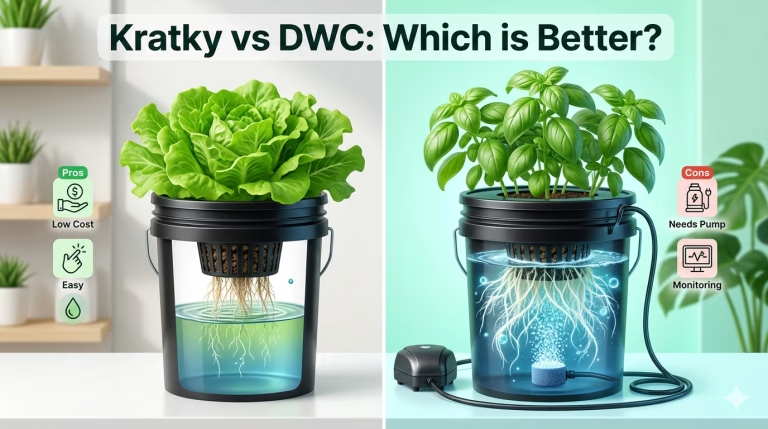
A five-gallon bucket system with an air pump creates a more advanced Deep Water Culture setup for approximately $25. This system includes net cups, rockwool growing medium, and an aeration system that demonstrates how oxygen delivery affects plant growth. If you want to buy a kit with everything included it runs about ~$110 on amazon: https://amzn.to/46O1yWv
Curriculum Integration and Learning Outcomes
Classroom hydroponic gardens excel at integrating multiple academic subjects. In science classes, students explore plant anatomy, photosynthesis, and nutrient cycling through direct observation. Chemistry concepts become tangible as students measure pH levels, calculate nutrient concentrations, and observe chemical reactions in plant growth.
Mathematics integration occurs naturally through growth rate calculations, nutrient ratio computations, and data analysis activities. Students track plant height over time, calculate yield per square foot, and analyze the economic benefits of hydroponic production compared to traditional farming.
Social studies connections emerge through discussions of global food security, sustainable agriculture practices, and environmental conservation. Students examine how hydroponics addresses challenges in urban food production and investigate farming innovations across different cultures.
Key Features to Consider When Selecting Kits
When choosing hydroponic learning activities equipment, several factors determine educational effectiveness. Educational hydroponic systems should include clear containers for root observation, adjustable lighting systems for plant science experiments, and comprehensive curriculum materials aligned with educational standards.
Safety considerations are paramount for classroom use. Look for systems with low-voltage LED lighting, non-toxic growing mediums, and age-appropriate tools. The best educational kits include detailed safety protocols and teacher support resources.
Maintenance requirements should match the intended user’s skill level. Younger students benefit from simpler passive systems, while older learners can handle more complex automated systems with pumps, timers, and monitoring equipment.
Supporting Resources and Curriculum Materials
Many manufacturers provide extensive educational support beyond the physical equipment. Fork Farms offers complete K-12 curriculum packages designed to complement their hydroponic systems. These resources include lesson plans aligned with Next Generation Science Standards (NGSS), assessment tools, and project-based learning activities.
The National Farm to School Network provides free curriculum guides for exploring hydroponics in classroom settings. These materials include basic setup instructions, scientific method applications, and connections to nutrition education.
Online communities and support networks enhance the educational experience. Many companies offer virtual training sessions for educators, troubleshooting assistance, and access to expert hydroponic gardeners.
Real-World Applications and Career Connections
Kids science experiments with hydroponics naturally lead to discussions about agricultural careers and food system innovations. Students learn about agricultural engineering, plant biology research, and sustainable farming practices through hands-on experience. Many programs include entrepreneurship components where students plan and execute small business ventures selling their hydroponic produce.
Service learning opportunities emerge as students donate produce to food banks or hunger relief organizations, connecting classroom learning with community impact. These projects teach civic responsibility while reinforcing scientific concepts and agricultural awareness.
Measuring Success and Assessment
Effective hydroponic education programs include robust assessment strategies that go beyond traditional testing. Students maintain growth journals documenting plant development, environmental conditions, and experimental observations. Digital portfolios capture the learning journey through photographs, data collection, and reflection activities.
Performance-based assessments allow students to demonstrate mastery through practical applications. Students design their own hydroponic experiments, troubleshoot growing challenges, and present findings to peers and community members. These authentic assessments align with 21st-century learning skills while reinforcing scientific thinking.
The most successful educational hydroponic programs create lasting impacts on student engagement with science and environmental stewardship. By combining cutting-edge growing technology with proven educational strategies, these kits transform traditional classroom experiences into dynamic, hands-on learning adventures that prepare students for future STEM careers while fostering appreciation for sustainable agriculture and food systems.
Resources:
- https://leafdbox.com/products/2518849
- https://www.sciencebuddies.org/science-fair-projects/project-ideas/PlantBio_p045/plant-biology/hydroponics-gardening-without-soil
- https://www.epicgardening.com/hydroponics-for-kids/
- https://www.farmtoschool.org/resources-main/exploring-hydroponics-a-classroom-lesson-guide
- https://www.forkfarms.com/blog/cultivating-knowledge-the-benefits-of-hydroponics-in-k-12-stem-education
Share this:

Discover more from Soil Free Harvest
Subscribe to get the latest posts sent to your email.