Indoor Tea Gardens with Hydroponic Systems: What You Need to Know to Grow
Creating your indoor tea garden using hydroponics lets you enjoy fresh tea leaves year-round without soil or outdoor space. Learn about the different varieties of tea and the challenges with traditional tea varieties in hydroponics.
Affiliate Disclosure: This article contains affiliate links. If you purchase through these links, soilfreeharvest.com may earn a small commission at no extra cost to you.
What Tea Plants to Grow in Your Hydroponic Garden
When choosing plants for an indoor tea garden, understanding the types of tea and their source plants is essential:
Camellia sinensis var. sinensis (the tea plant):

This is the most common tea plant variety used for green, white, and oolong teas. It prefers cooler climates and grows well indoors with hydroponics when given proper care.
Considerations for growing Camellia sinensis in Hydroponics:
- System Choice: Deep Water Culture (DWC) and Nutrient Film Technique (NFT) systems are preferred hydroponic setups. These ensure constant oxygen and nutrient supply directly to roots, promoting healthy growth.
- Nutrient Solution and pH: Camellia sinensis prefers slightly acidic conditions. Optimal nutrient solution pH is around 4.2 to 6.5, with recent hydroponic studies indicating strong growth near pH 4.2. Nutrients should be rich in nitrogen and potassium to encourage leaf growth. Regular monitoring of pH and electrical conductivity (EC) is critical to maintain nutrient availability.
- Water Quality and Temperature: Nutrient solutions should be maintained between 65°F and 75°F (18°C–24°C). Water temperature influences root nutrient uptake efficiency and overall plant health.
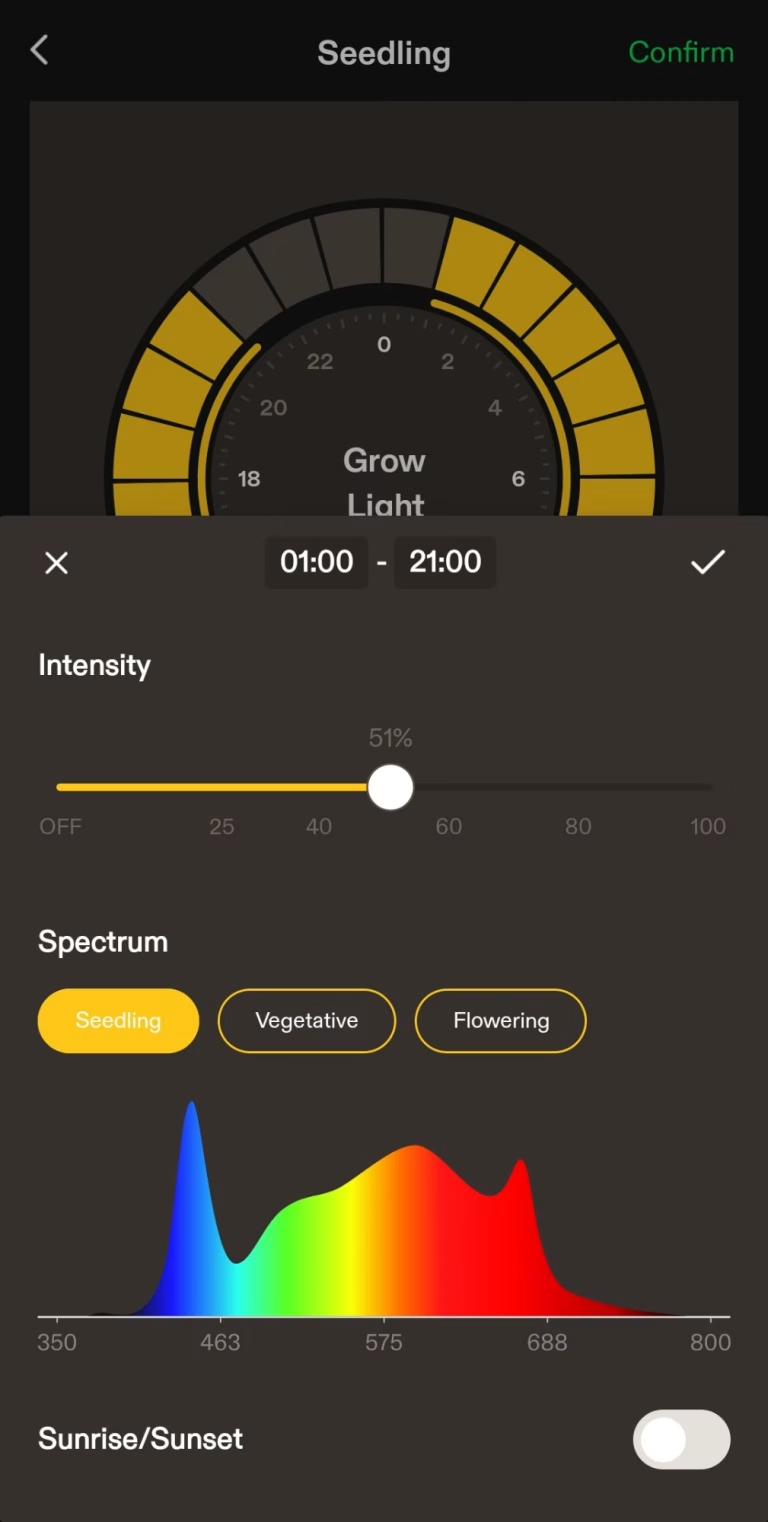
- Lighting: Provide 10-12 hours of bright, indirect light, preferably with LED grow lights optimized for plant growth.
- Humidity and Environment: Tea plants appreciate moderate humidity and benefit from stable environmental conditions. Using humidifiers or misting systems can help in dry indoor environments.
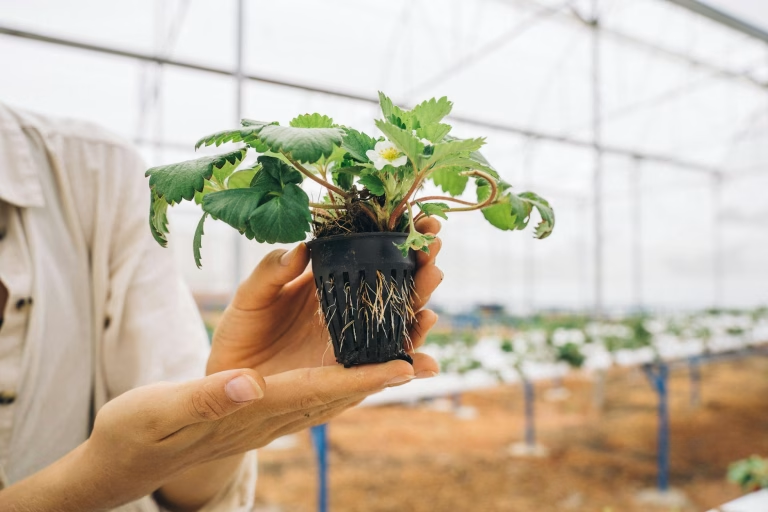
- Root and Growth Support: Use net pots with inert media like clay pellets to anchor seedlings. Avoid waterlogging stems to prevent rot.
- Propagation: Begin with healthy seedlings or propagate from cuttings. Seeds require soaking and careful germination in a moist but well-aerated environment.
- Link to live Camelia plant: Tea Plant (Green Tea) Live Plant – Camellia sinensis – Wellspring Gardens Starter Plant
- Link to seeds if you are feeling brave: 25 Camellia Seeds Camellia sinensis Chinese Green Tea Seeds
Challenges When Growing Camellia sinensis Hydroponically
- Acidic pH Management: Maintaining the acidic environment hydroponically is critical but can be tricky. Tea plants naturally acidify their rhizosphere, but hydroponic systems require manual pH control to stay in the optimal range (4.2–6.5).
- Root Sensitivity: Tea roots are sensitive to oxygen levels and waterlogging; insufficient oxygen in the root zone can cause root rot and stunted growth. Aeration in reservoirs must be consistent and effective.
- Nutrient Imbalances: Tea plants can be sensitive to nutrient imbalances, especially aluminum toxicity or deficiencies in micronutrients. Tea plants uniquely interact with aluminum ions in soil, so nutrient formulations should avoid toxic buildup.
- Disease and Pest Control: Hydroponics reduces soil-borne pests but plants remain vulnerable to fungal diseases in overly wet conditions. Proper air circulation and cleanliness help minimize risks.
- Longer Maturation Time: Tea plants typically take 3-4 years to mature for harvesting leaves suitable for brewing, so patience and consistent care are essential.
- Limited Resources: Detailed protocols and commercial-grade hydroponic techniques specifically for Camellia sinensis are less common, making trial and error an ongoing part of growing this plant hydroponically.
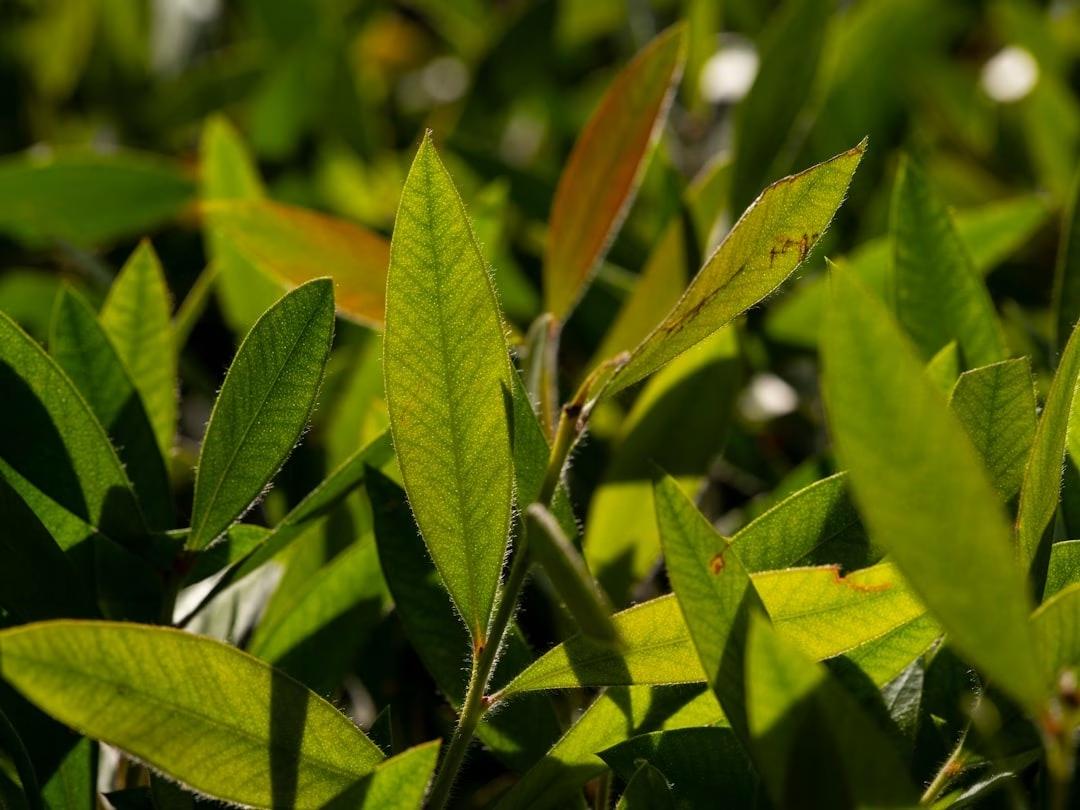
Camellia sinensis var. assamica (Assam tea plant):
This variety is often used for black tea. It thrives in warmer conditions but can adapt indoors with controlled temperature and humidity.
Considerations for growing Camellia sinensis var. assamica Hydroponically
- Environmental Needs:
This variety prefers warm, humid conditions typical of its native Assam region. Ideal temperatures for hydroponic growth range from 70°F to 85°F (21°C–29°C). Humidity should be moderate to high, and good air circulation is vital to prevent fungal issues. - Light Requirements:
Assamica performs best with bright, indirect sunlight or 10–12 hours of full-spectrum LED grow lights. Unlike the var. sinensis, it can tolerate slightly higher light intensities due to its tropical origins. - Hydroponic System:
Deep Water Culture (DWC), Nutrient Film Technique (NFT), and drip hydroponics work effectively. Ensure efficient oxygenation to the root zone since visibility of root health is harder due to larger leaf size and vigorous growth. - Nutrient Solution and pH:
Maintain nutrient solution pH between 5.0 and 6.0 for optimal nutrient uptake. Assamica is slightly less tolerant to very acidic conditions than var. sinensis but still thrives in mildly acidic media. Balanced nutrients rich in nitrogen support its robust foliage, with potassium and calcium important for structural health. - Propagation:
Often propagated by cuttings or layering for quicker establishment. Seeds require soaking and warmer conditions for germination. - Support Medium:
Use inert media like expanded clay pellets or perlite in net pots to support roots without waterlogging.
Challenges Growing Assam Tea Hydroponically
- Temperature Sensitivity:
While more tolerant than var. sinensis, Assamica dislikes cold stress. Temperatures below 60°F (15°C) can slow growth or cause leaf damage. - Humidity and Fungal Disease:
Higher humidity is needed but can increase susceptibility to fungal diseases. Regular monitoring, airflow, and cleanliness are necessary to prevent root and foliar diseases. - Nutrient Management:
Assamica has high nutrient demands, especially nitrogen, for its fast growth. Over-fertilization can cause nutrient imbalances or salt buildup in hydroponic reservoirs. - Longer Term Care and Pruning:
This variety grows into larger, bushier plants requiring more frequent pruning to maintain manageable size and encourage leaf production for harvesting. - Slow Commercial Protocols:
Hydroponic cultivation protocols for Assamica are still developing; trial and error may be involved until more defined best practices emerge.
In summary, Camellia sinensis var. assamica thrives hydroponically with warm temperatures, moderate acidity, and ample nitrogen but requires careful humidity control and pruning due to its vigorous growth habits. It is well-suited for greenhouse or indoor hydroponic gardens mimicking its tropical native conditions.
Herbal Tea Plants (the best choice for indoor hydroponics):

Popular herbal tea plants suitable for hydroponic growth include mint, chamomile, lemongrass, lemon balm, and hibiscus. These plants are generally more forgiving than Camellia sinensis varieties and adapt well to indoor hydroponic systems..
Each variety requires similar core hydroponic care but may differ slightly in preferred temperature and humidity, which can be customized in your indoor garden setup.
Considerations for herbal tea plants Hydroponically
- System Types:
Deep Water Culture (DWC), Nutrient Film Technique (NFT), and drip systems work well. These herbs root easily and thrive with consistent nutrient and water supply. - Nutrient Solution and pH:
Herbal plants prefer a nutrient solution pH between 5.5 and 6.5. Balanced nutrient formulas for leafy greens or mixed herbs usually suffice, with slightly less nitrogen than Camellia sinensis to avoid overly leggy growth. - Light:
Most herbal teas grow best with 10–14 hours of LED grow light per day, simulating bright indirect sunlight. Adjust light intensity according to plant spacing and size to prevent leaf burn. - Temperature and Humidity:
Ideal temperatures are between 65°F and 75°F (18°C–24°C), with moderate humidity. Ventilation helps reduce fungal risks and supports strong, bushy growth. - Propagation:
Herbs root quickly from stem cuttings in hydroponic setups, offering fast expansion of your tea herb garden. Seeds can also be started in hydroponic mediums but may require more time. - Growth Medium:
Use inert media like clay pellets, perlite, or coconut coir for stability. These support root oxygenation and drainage essential to prevent root rot.
Common Challenges Growing Herbal Tea Plants Hydroponically
- Rapid Growth and Space Requirements:
Herbs like mint can become invasive in hydroponic setups, crowding out other plants. Regular pruning and spacing are necessary to maintain airflow and avoid pests. - Powdery Mildew and Fungal Diseases:
Herbs are prone to powdery mildew and root rot if humidity is too high or airflow is poor. Good environmental control and cleaning routines help prevent these issues. - Nutrient Sensitivities:
Some herbs show sensitivity to nutrient imbalances; over-fertilization can cause leaf tip burn or nutrients deficiencies, so careful monitoring of EC and pH is essential. - Pest Management:
Despite no soil exposure, pests like aphids and spider mites can infest indoor hydroponic gardens, requiring natural or integrated pest management strategies. - Light Intensity Management:
Improper light can cause legginess or stunted growth; adjust LEDs to provide adequate light spectrum and duration for each herb species.
Growing herbal tea plants hydroponically is an excellent way to diversify your tea garden with faster harvest cycles and lower maintenance relative to Camellia sinensis. Their adaptability makes them ideal companions in a mixed indoor hydroponic tea garden, offering fresh, aromatic leaves for herbal infusions year-round.
Heirloom seeds for tea (affiliate link)- Gardeners Basics, Herbal Tea Seeds for Planting Indoors and Outdoors
This book goes into good detail about how to grow tea at home if you want to learn more about different types of tea plants besides hydroponics. How to Grow & Harvest your own Tea Plant : A Complete Guide to Growing Tea Kindle Edition
Recommended system: (affiliate link) Ahopegarden Hydroponics Growing System Kit Indoor Herb Garden with Grow Light 12 Pods – I have personally tested this one and it is an affordable, reliable, quiet system for under $100
Helpful articles:
Beginner’s Guide to Soil-Free Farming for hydroponic basics.
Hydroponic Nutrient Solutions Guide for growing healthy tea plants.
Share this:

Discover more from Soil Free Harvest
Subscribe to get the latest posts sent to your email.