The Complete Guide to Growing Edible Flowers Indoors with Hydroponics: 10 Best Varieties for Your Soil-Free Garden
Growing edible flowers indoors using hydroponic systems transforms your home into a vibrant, productive garden that provides both beauty and flavor year-round. Whether you’re looking to add colorful garnishes to your culinary creations or create stunning floral arrangements you can actually eat, hydroponic edible flowers offer the perfect solution for modern indoor gardeners.
Why Choose Hydroponics for Growing Edible Flowers?
Hydroponic systems eliminate the guesswork from growing edible flowers by providing precise control over nutrients, pH levels, and growing conditions. Unlike traditional soil gardening, hydroponics ensures your edible flowers receive consistent nutrition while growing faster and producing higher yields in compact indoor spaces.
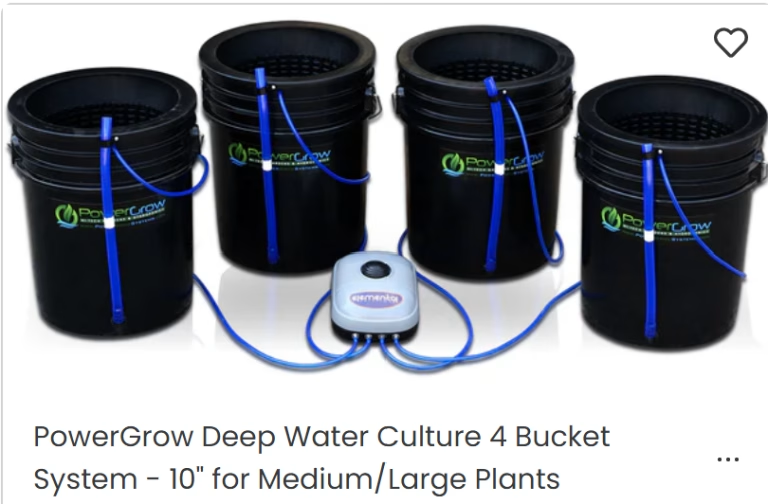
The most suitable hydroponic systems for edible flowers are Nutrient Film Technique (NFT) and Deep Water Culture (DWC) systems, which work exceptionally well for the shallow-rooted, fast-growing nature of most edible flower varieties. These systems place growing channels at waist height for easy harvesting and maintenance.
Essential Growing Conditions for Hydroponic Edible Flowers
pH and Nutrient Requirements
Most edible flowers thrive in slightly acidic conditions with a pH range of 5.5-6.5 and an EC (electrical conductivity) range of 1.0-2.0. Start seedlings with lower nutrient concentrations and gradually increase strength as plants mature.
Lighting Requirements
Edible flowers require 14-16 hours of bright light daily to promote healthy flowering. LED grow lights positioned 12-24 inches from plants or fluorescent fixtures placed 6-12 inches away provide optimal growing conditions. Full-spectrum lights ensure proper flower development and vibrant colors.
Temperature and Environment
Maintain temperatures between 65-75°F (18-24°C) for most edible flower varieties. Proper air circulation and humidity control prevent fungal diseases while supporting healthy growth.
10 Best Edible Flowers for Hydroponic Indoor Growing
1. Nasturtiums (Tropaeolum majus)
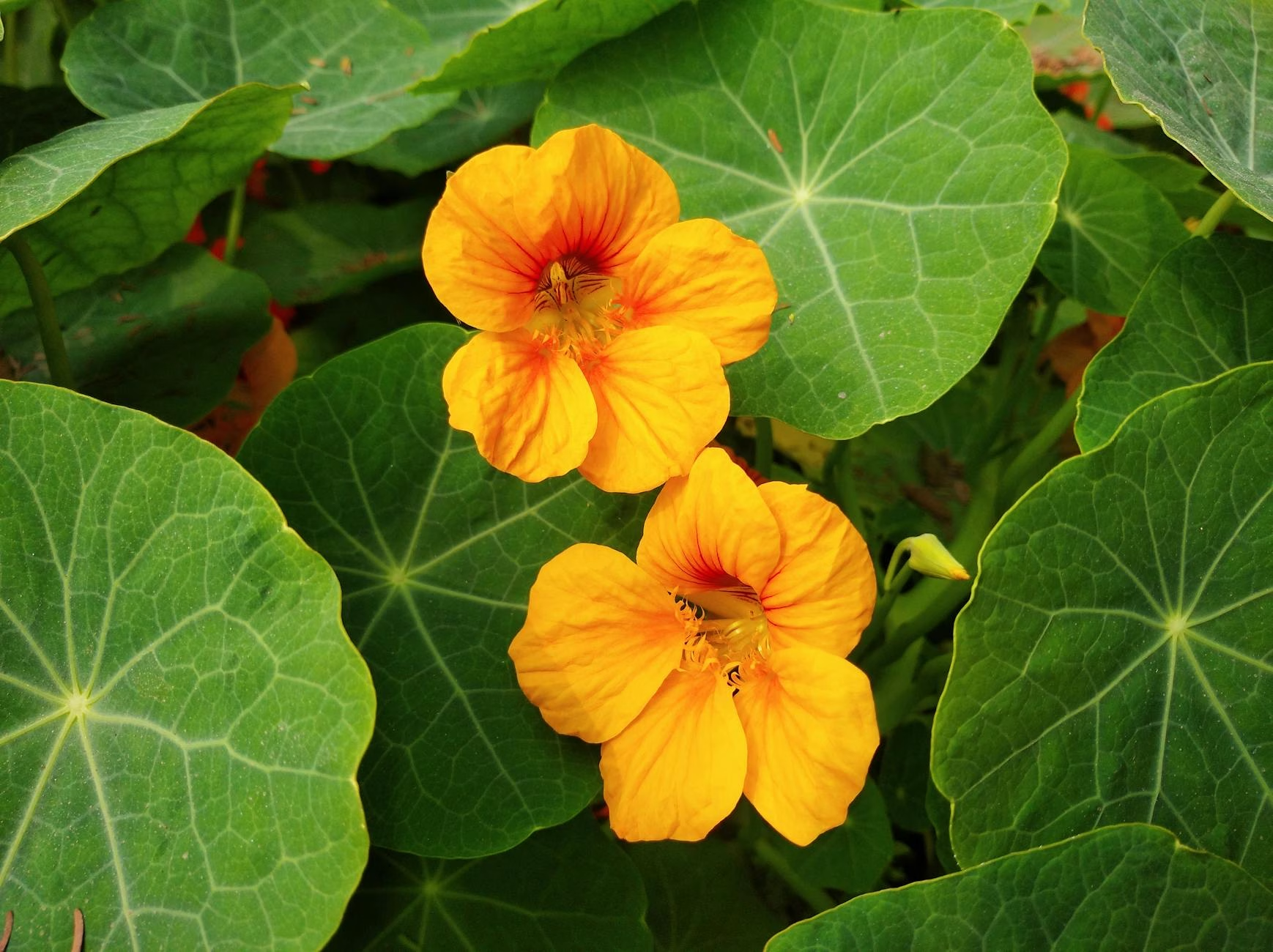
Nasturtiums are the easiest edible flowers to grow hydroponically, offering vibrant colors and a distinctive peppery flavor. The entire plant is edible – flowers, leaves, stems, and seeds.
- EC Range: 0.8-1.6
- pH Range: 6.0-7.0
- Harvest Time: 4-6 weeks
- Flavor Profile: Peppery, similar to watercress
2. Pansies and Violas (Viola species)
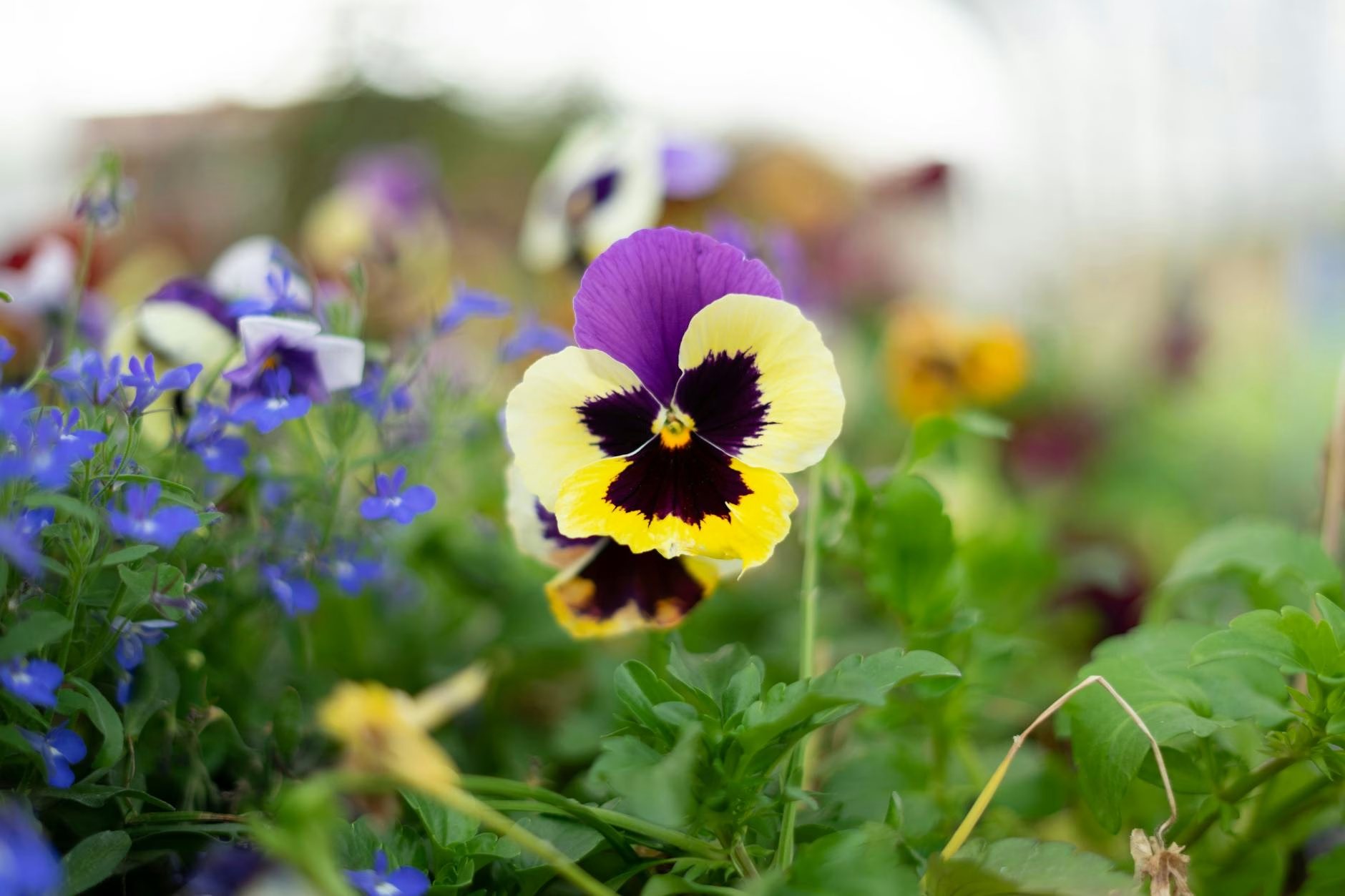
These delicate flowers provide mild, sweet flavors and stunning visual appeal. They’re particularly well-suited for NFT systems and tolerate cooler growing conditions.
- Nutrient Requirements: 200-250 ppm with balanced NPK
- pH Range: 5.5-6.5
- Growing Tip: Maintain cooler temperatures (45-65°F) for best results
3. Calendula (Calendula officinalis)
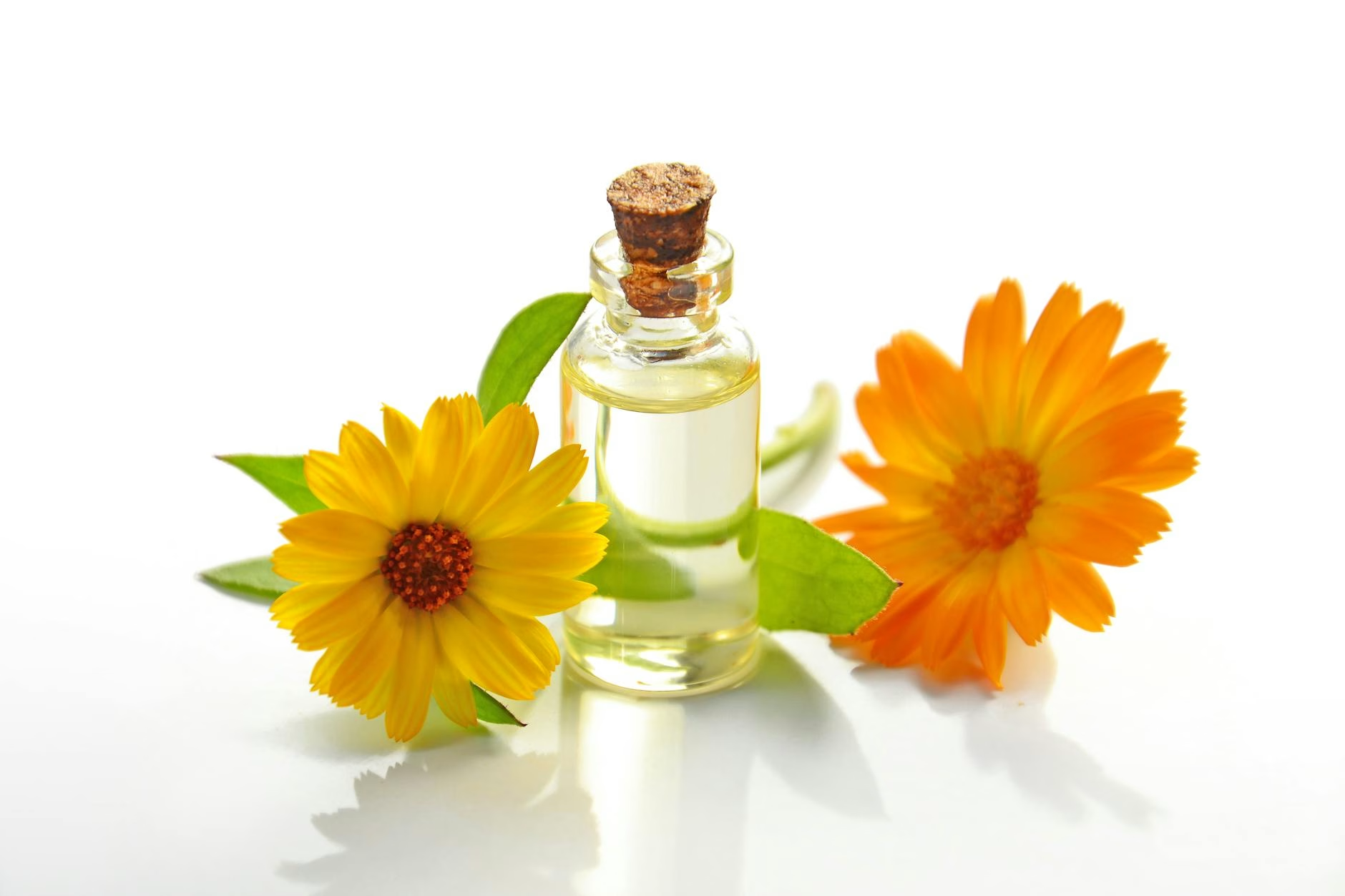
Also known as pot marigold, calendula produces bright orange and yellow flowers with slight peppery undertones. It’s exceptionally easy to grow and provides continuous blooms.
- Temperature Range: 64-86°F (18-30°C)
- Harvest Time: First flowers appear around 50 days
- Uses: Salads, teas, natural anxiety remedy
4. Marigolds (Tagetes species)
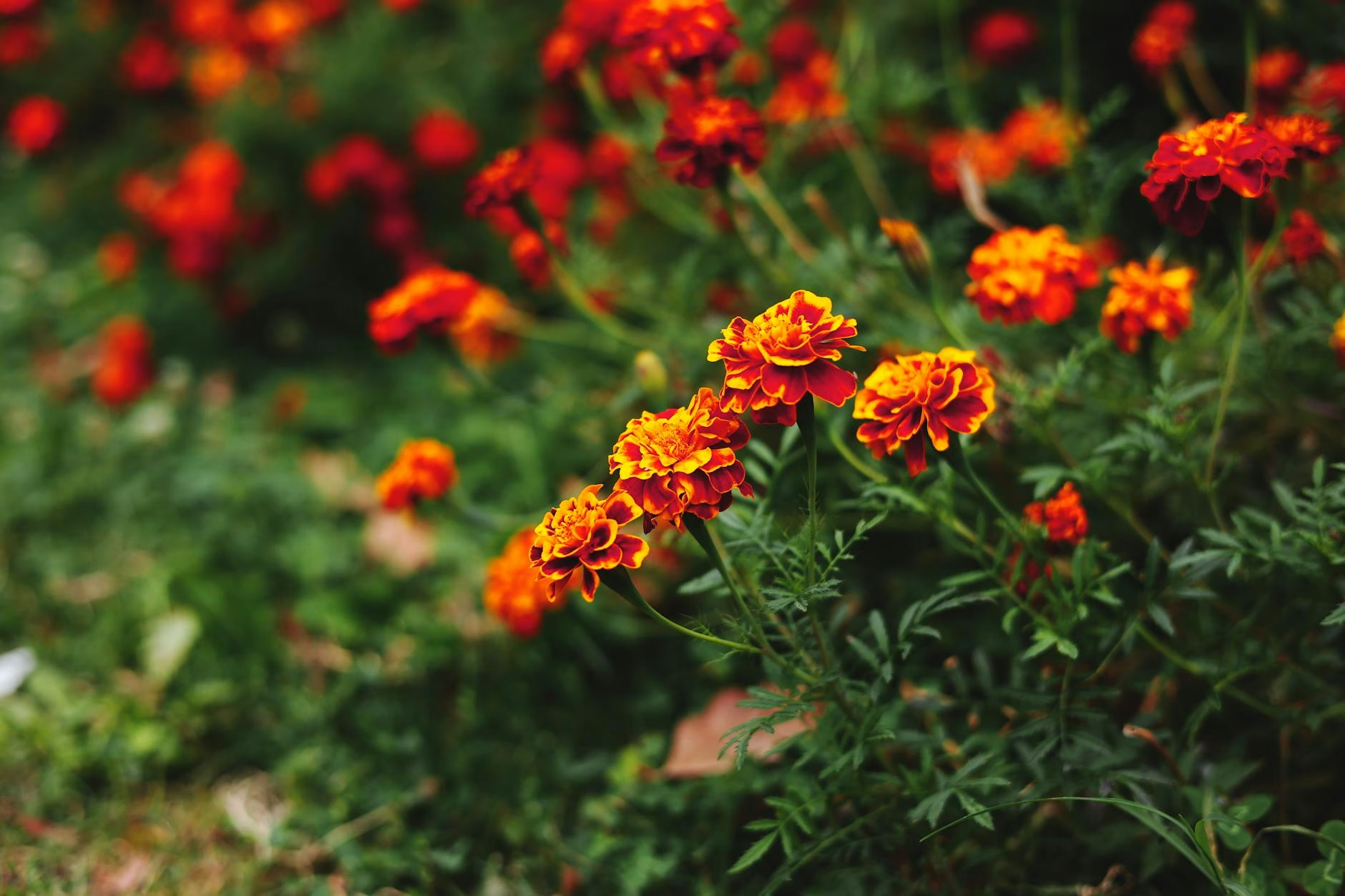
French marigolds and Gem varieties offer the best flavor profiles, providing mild citrusy notes and saffron-like coloring to dishes.
- EC Range: 1.0-3.5
- pH Range: 5.8-6.5
- Light Requirements: 16 hours daily
- Harvest Time: 3 months from seed

5. Chives (Allium schoenoprasum)
Chive blossoms provide mild oniony flavors with hints of garlic, making them perfect for savory applications.
- Light Requirements: 4-6 hours of bright light
- Growing Tip: Trim regularly to encourage new growth
- Uses: Salads, soups, garnishes

6. Chamomile (Matricaria chamomilla)
German chamomile flowers are ideal for teas and provide calming, apple-like flavors.
- Light Requirements: 4-6 hours of bright light
- pH Preference: Slightly acidic soil
- Harvest Tip: Pick flowers when fully open for best flavor
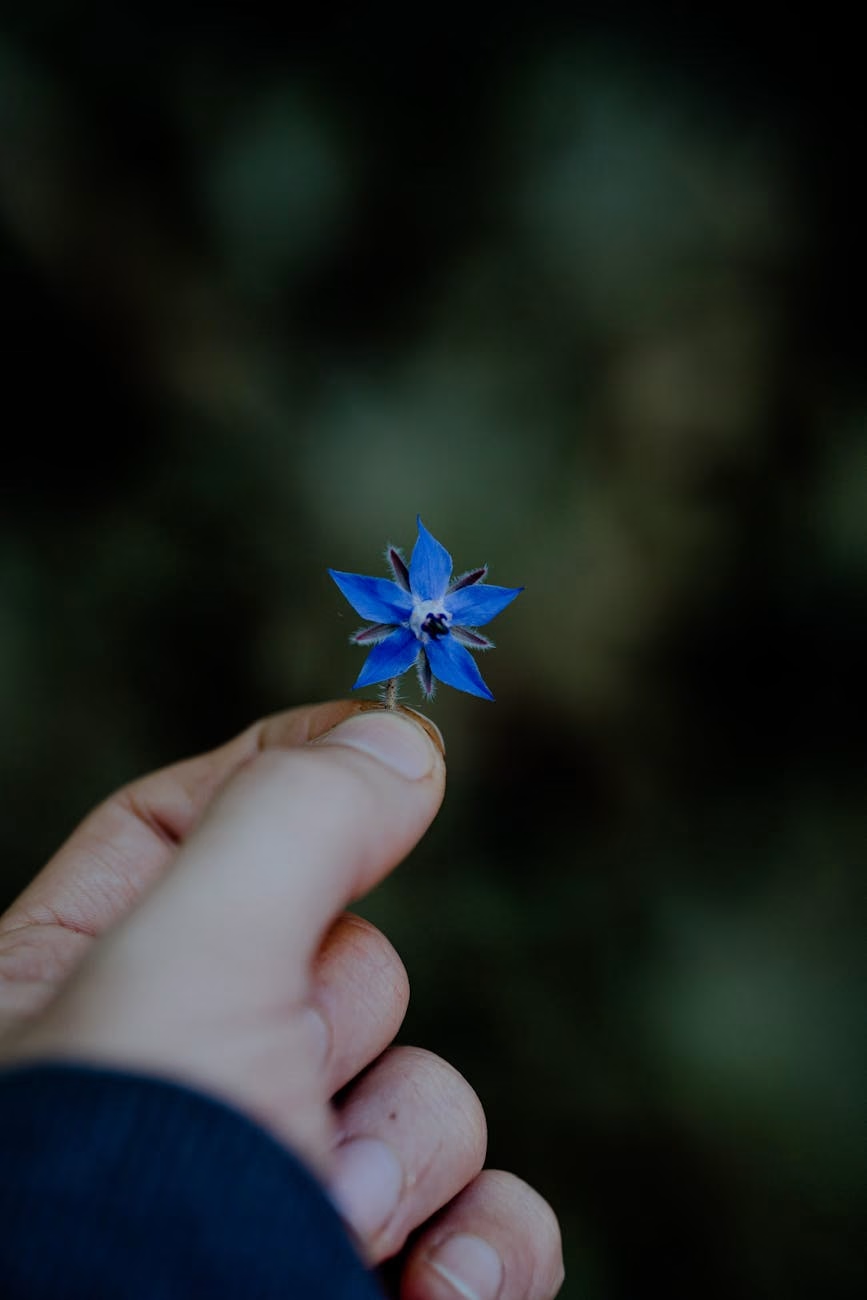
7. Borage (Borago officinalis)
Borage produces beautiful star-shaped blue flowers with cucumber-like flavors.
- Growing Requirements: 6 hours of bright light
- Support Needed: Can grow quite tall, provide support if necessary
- Flavor Profile: Cool, cucumber tasteyoutube
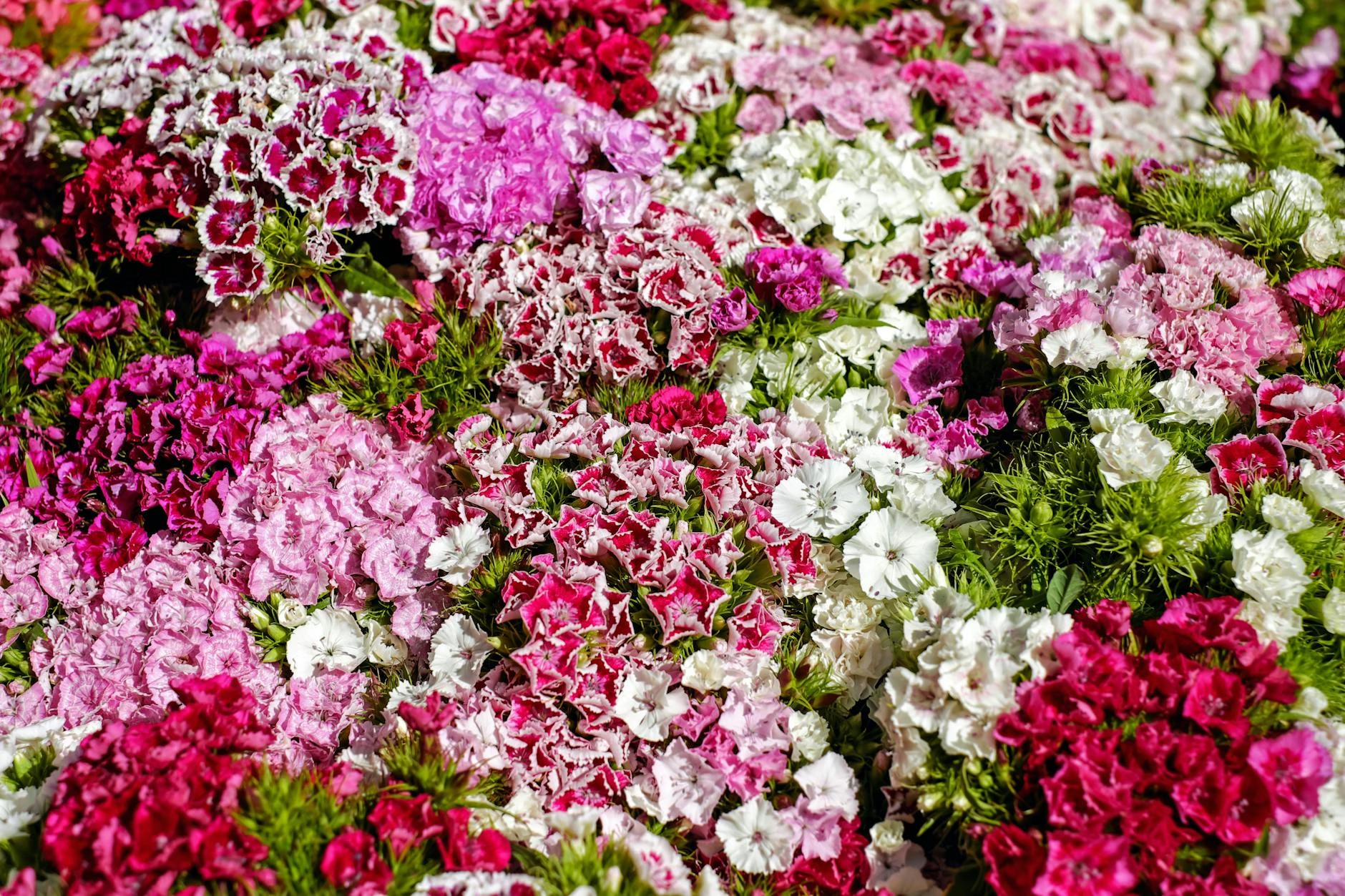
8. Dianthus (Dianthus chinensis)
These fragrant flowers offer spicy, clove-like flavors and come in various colors.
- Growing System: Suitable for NFT and DWC systems
- Maintenance: Regular deadheading promotes continuous blooming
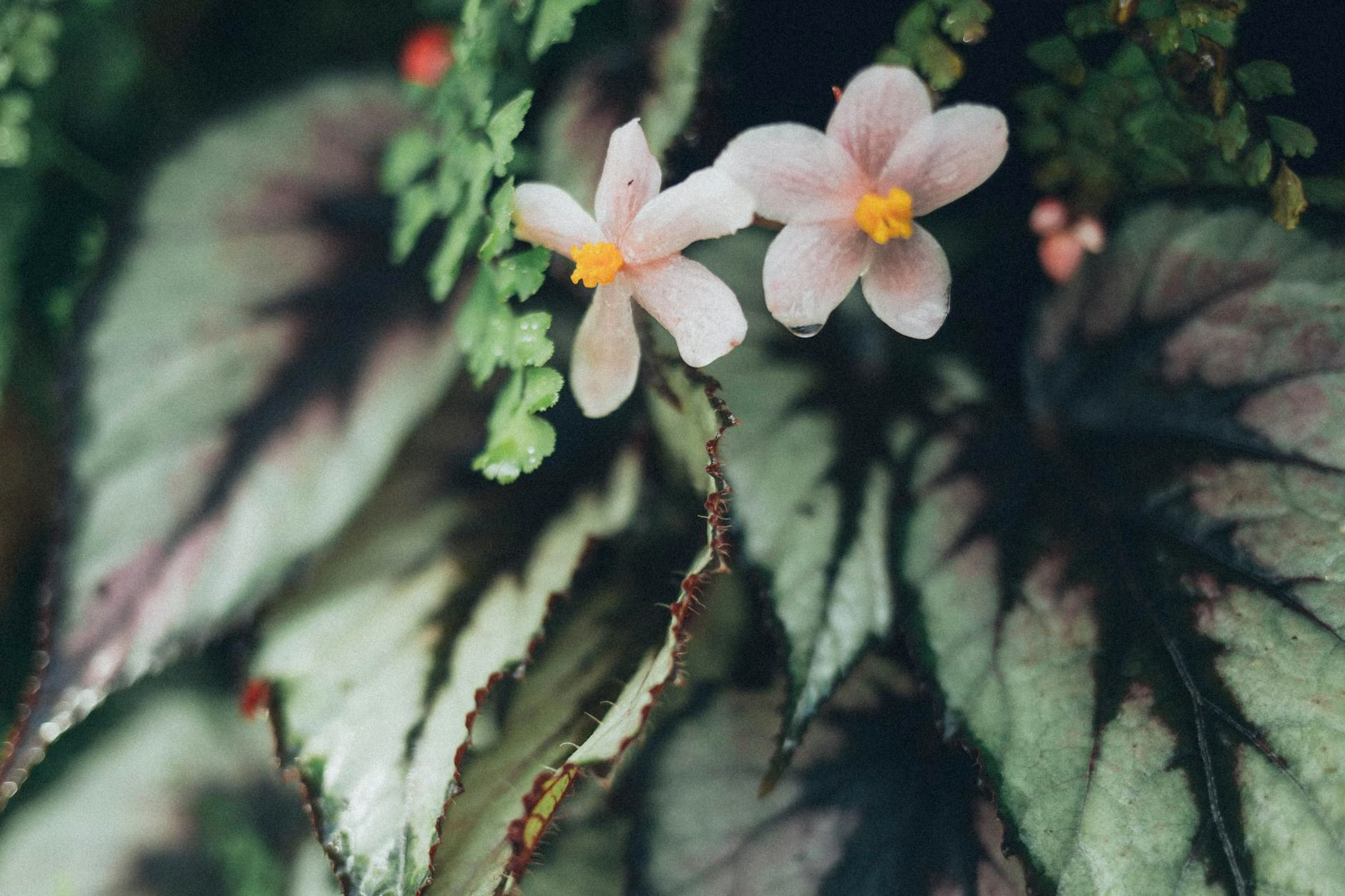
9. Begonias (Begonia species)
Both wax and tuberous begonias provide mild, slightly sour flavors.
- Growing Conditions: Moderate light requirements
- Uses: Salad garnishes, decorative applications
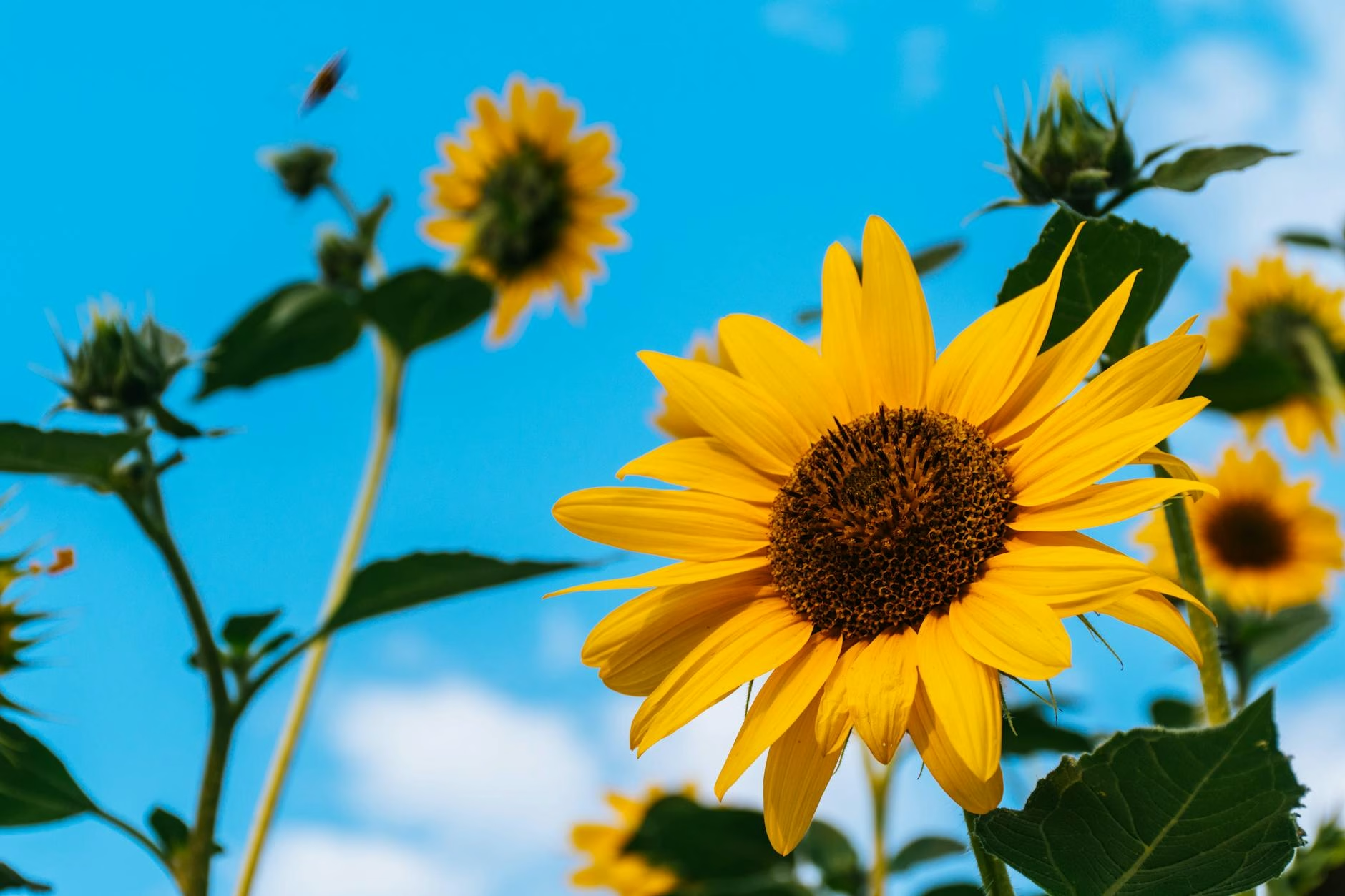
10. Sunflower Petals (Helianthus annuus)
Young sunflower petals offer nutty, slightly bitter flavors.
- Growing Tip: Harvest petals from young, freshly opened blooms
- Uses: Salads, garnishes, natural food coloring
Check out SeedsNow to find all the seeds to start your edible flower garden: SeedsNow Home page
Hydroponic System Recommendations
Nutrient Film Technique (NFT)
Best for: Nasturtiums, violas, chives, and other compact edible flowers. NFT systems provide continuous nutrient flow while maintaining excellent root oxygenation.
To learn more about NFT systems, including how to build your own, check out our NFT guide here: The Complete Guide to NFT Hydroponics Systems
Deep Water Culture (DWC)
Best for: Larger flowering plants like sunflowers and marigolds. DWC offers temperature stability and consistent nutrient delivery.
Ebb and Flow Systems
Best for: Mixed plantings of various edible flower species. These systems work well for both small and large flowering plants.
Nutrient Management and Feeding Schedules
Use a balanced hydroponic nutrient solution with an EC range of 1.5 for most edible flowers. For enhanced flowering, consider adding flowering boosters containing higher phosphorus levels.
Feeding Guidelines:
- Seedling Stage: EC 0.8-1.2
- Vegetative Growth: EC 1.2-1.6
- Flowering Stage: EC 1.4-2.0
Monitor pH daily and maintain levels between 5.5-6.5 for optimal nutrient uptake.
Harvesting and Using Your Hydroponic Edible Flowers
Harvesting Tips
- Pick flowers in the morning when they’re fully hydrated
- Harvest regularly to encourage continuous blooming
- Cut stems cleanly to prevent plant damage
- Remove spent blooms (deadheading) to maintain production
Culinary Applications
- Salads: Add whole flowers or individual petals for color and flavor
- Garnishes: Use flowers to decorate plates and desserts
- Teas: Dried calendula and chamomile make soothing herbal teas
- Ice Cubes: Freeze flowers in ice cubes for elegant drink presentations
- Pickled Seeds: Nasturtium seeds can be pickled as “poor man’s capers”
Common Challenges and Solutions
Pest Management
Aphids are the most common pest affecting edible flowers, particularly violas and nasturtiums. Prevent infestations by:
- Using yellow sticky traps
- Maintaining proper air circulation
- Keeping growing areas clean and isolated
Disease Prevention
- Ensure adequate spacing between plants
- Maintain proper humidity levels
- Use clean, sterile growing practices
- Monitor plants regularly for early problem detection
Planning Your Hydroponic Edible Flower Garden
Start with nasturtiums and violas as beginner-friendly options. These varieties are forgiving and provide quick results, building confidence for growing more challenging species.
Succession Planting: Start new seeds every 2-3 weeks to ensure continuous harvests throughout the growing season.
Mixed Plantings: Different edible flowers can be grown together in the same system if they have similar nutrient and pH requirements.
Advanced Growing Tips
Optimizing Flower Production
- Maintain consistent day/night temperature differentials
- Provide adequate spacing for air circulation
- Implement proper timing controls for lighting cycles
Extending Growing Seasons
Indoor hydroponic systems allow year-round production of edible flowers, regardless of outdoor weather conditions. This consistent production capability makes hydroponics ideal for restaurants and home cooks who want fresh edible flowers available constantly.
Growing edible flowers hydroponically opens up endless possibilities for creative cooking and beautiful presentations. With proper system setup, nutrient management, and variety selection, you can enjoy fresh, pesticide-free edible flowers from your indoor garden throughout the entire year.
Share this:

Discover more from Soil Free Harvest
Subscribe to get the latest posts sent to your email.