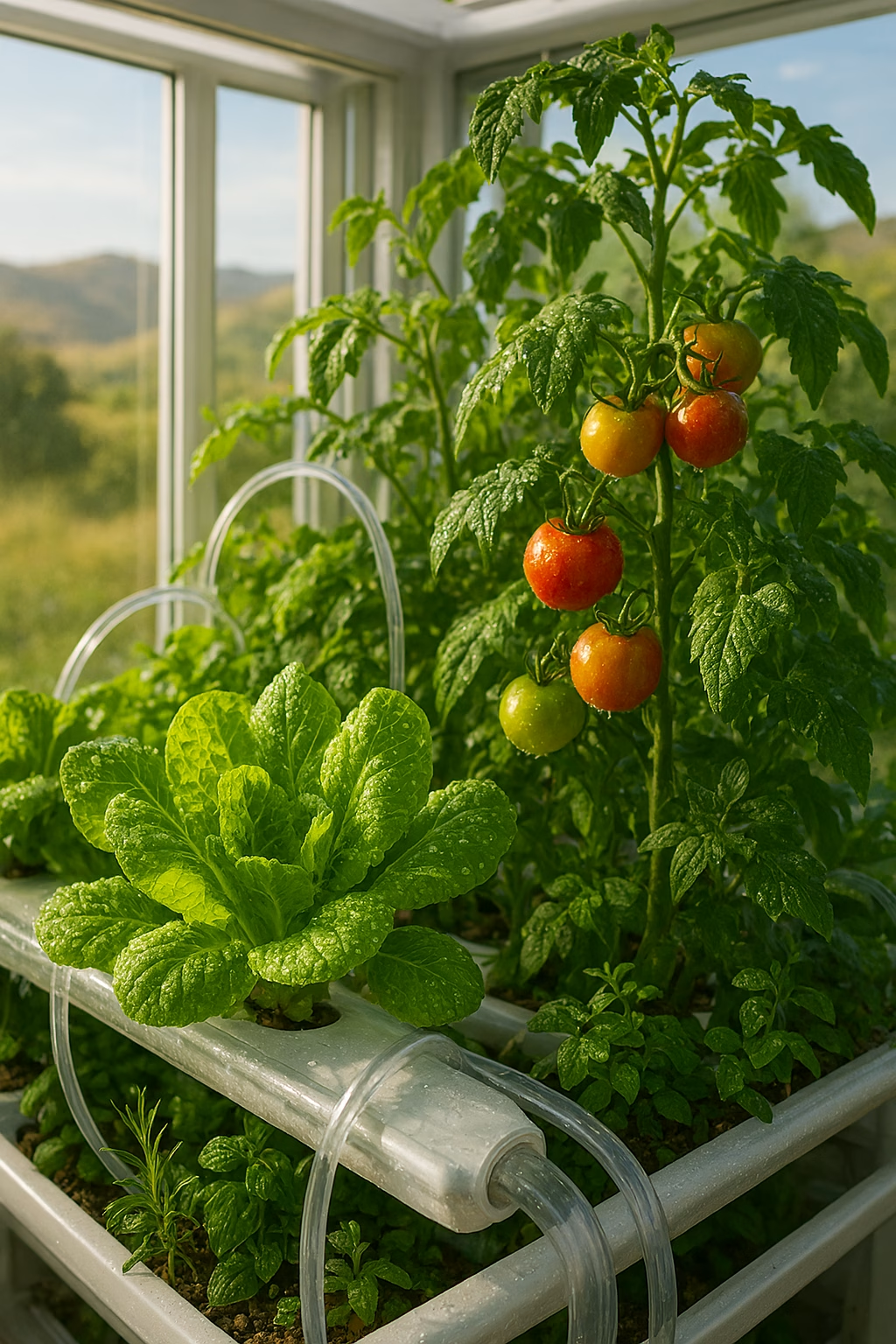
Top Hydroponic Crops for Emergency Food Supplies
In unpredictable times, having a reliable source of fresh, nutritious food at home is essential. Hydroponic gardening the practice of growing plants without soil using nutrient-rich water offers a powerful way to produce emergency food supplies indoors year-round. This guide explores the top hydroponic crops for emergency food supplies ideal for survival gardening, practical growing tips, and how to build a resilient, space-efficient food source.
Affiliate Disclosure: This article contains affiliate links. If you purchase through these links, soilfreeharvest.com may earn a small commission at no extra cost to you.
Why Hydroponics for Emergency Food Supplies?
Hydroponic systems use 90% less water than traditional soil farming and require minimal space. Indoors, crops are protected from weather disruptions, pests, and supply chain instability. The ability to grow fresh vegetables, fruits, and herbs quickly and reliably makes hydroponics a smart choice for emergency preparedness.
Top Hydroponic Crops for Emergency Food
Leafy Greens: Fast, Nutritious, and High-Yielding
Leafy greens grow rapidly in hydroponic setups and provide essential vitamins and minerals.
- Lettuce (Butterhead, Romaine, Leafy types): Quick-growing, versatile salad staples. Thrive at pH 6.0-7.0 with moderate light. Long shelf life refrigerated up to 10 days. For beginner-friendly hydroponic lettuce growing, see our blog post Best Types of Lettuce to Grow Indoors Using Hydroponics.
- Spinach: Rich in iron and antioxidants, perfect for salads or cooked dishes. Requires slightly higher light and pH 6.0-7.0.
- Kale and Collard Greens: Nutrient-dense superfoods with longer shelf life, ideal for smoothies or cooked meals.
- Swiss Chard: Robust leafy vegetable with colorful stems, easy to grow hydroponically.
Going to recommend my favorite seeds once again Hydroponics Vegetable Seed Collection for Planting – I have bought from them multiple times and never been disappointed.
Herbs: Flavor, Nutrition, and Medicinal Benefits
Hydroponic herbs enhance dishes and add valuable micronutrients.
- Basil: Thrives at pH 5.5-6.5, pairs well with tomatoes and garlic. Rich in antioxidants, anti-inflammatory properties.
- Cilantro: Popular in many cuisines, requires moderate light and pH 6.0-6.5.
- Mint, Parsley, Thyme: Hardy herbs with quick harvest cycles, useful in teas and culinary recipes.
I have had good results from Survival Garden Seeds and you can pick up a variety pack of herbs from them for under $10 Herb Seeds Variety Pack | 10 Culinary Herbs for Planting
For a more detailed guide on growing herbs indoors check out our post: Indoor Hydroponic Herbs: 10 Easy Varieties for Year-Round Kitchen Gardens
Fruiting Vegetables: Calorie-Dense and Diverse
These crops take longer but provide higher calories and satisfaction.
- Tomatoes: Hydroponic tomatoes need support structures and nutrient-rich water. They provide vitamins A and C, antioxidants.
- Cucumbers: Refreshing and hydrating, easy to grow with drip systems.
- Peppers: Sweet and hot varieties add vitamins and flavor.
- Strawberries: Compact fruit crops suitable for vertical hydroponic gardening.
Root Crops (More Challenging but Rewarding)
Root vegetables are less common in hydroponics but possible with specialized systems.
- Radishes: Fast-growing and calorie-rich, thrive in deep water culture setups.
- Carrots and Potatoes: Require medium-texture growing media but can supplement calorie needs.
Using Hydroponics for Starting Seedlings
Starting seedlings hydroponically is a highly effective way to gain control over plant health and growth from the very beginning. This method avoids soil-borne diseases and stress, giving you cleaner, stronger, and faster-growing transplants for your garden or hydroponic system.
Benefits of Hydroponic Seed Starting
- Full control of nutrient and moisture levels leads to healthy seedling development.
- Eliminates risk of soil contaminants and root damage during transplanting.
- Saves money by maximizing seed use compared to buying seedlings.
- Allows greater variety, as you can start seeds not easily found at nurseries.
- More rewarding and educational, perfect for prepper gardeners.
How to Start Seeds Hydroponically
- Use inert seed-starting mediums like rockwool cubes, coconut coir, or peat pellets.
- Soak medium in diluted hydroponic nutrient solution to maintain moisture without waterlogging.
- Plant one or two seeds per cube or net pot, cover loosely, and maintain consistent warmth (around 70-75°F).
- Use humidity domes or plastic wrap initially to retain moisture and speed germination.
- Provide 14-16 hours of supplemental light using full-spectrum grow lights, especially in low natural light.
- Once roots begin to fill the medium, transplant seedlings carefully into the main hydroponic system.

For detailed steps and tips, check SoilFreeHarvest’s Hydroponic Seed Starting Guide.
Step-by-Step Transplanting Tips: Hydroponic Seedlings to Soil
Transferring hydroponically grown seedlings to soil requires care to minimize transplant shock and ensure survival.
- Choose the Right Time: Transplant when seedlings have 2-3 true leaves and a healthy root system visible through the growing medium.
- Prepare Soil: Use well-draining, nutrient-rich soil amended with compost. Moisten the soil before transplanting.
- Gently Remove Seedlings: Carefully loosen the seedling from its hydroponic medium like rockwool or coco coir without damaging roots.
- Planting: Dig a hole slightly larger than the root ball, gently place the seedling, and cover roots with soil. Lightly firm the soil around the base.
- Water Immediately: Water thoroughly with room-temperature water to settle soil and hydrate roots.
- Provide Shade: Protect transplants from direct sunlight for 2-3 days to reduce stress.
- Gradual Adjustment: Gradually acclimate seedlings to outdoor conditions (hardening off) if moving outdoors by increasing sun exposure over a week.
- Ongoing Care: Keep soil moist but not waterlogged, and watch for signs of stress such as wilting or yellowing leaves.
Using these steps will improve transplant success and produce robust soil-grown plants from your hydroponic seedlings.
Practical Tips for Emergency Hydroponic Gardening
- Prioritize fast-growing crops like lettuce, spinach, and radishes for steady harvests.
- Use vertical or modular hydroponic systems to maximize limited space.
- Maintain nutrient solution pH between 5.5 and 7.0 depending on crop.
- Incorporate automated timers for lighting and pumps for consistent growth.
- Start with certified seeds designed for hydroponic growth, available via affiliate links at SoilFreeHarvest.
Affiliate Product Suggestions
- Top-rated Hydroponic Nutrient Solutions for Survival Gardens
- General Hydroponics Flora Series: Industry standard 3-part mix suitable for all growth stages.
- FoxFarm Liquid Nutrient Trio: Organic-leaning for rich flavors and aroma, excellent for herbs.
- Superthrive Foliage-Pro: Beginner-friendly, single-part formula ideal for leafy greens.
- Advanced Nutrients pH Perfect: Simplifies pH management, helping reduce guesswork.
- Beginner-Friendly Hydroponic Starter Kits can be found in our previous post: Best Budget Hydroponic Kits Under $150
- Ahopegarden Hydroponics Growing System Kit Indoor Herb Garden with Grow Light 12 Pods: My first hydroponic system and my favorite still for it’s reliability, extendable light, quiet pump, and intuitive panel on the front of the system
- VIVOSUN NFT Hydroponic System (36-Plant Kit): Perfect for beginners, this easy-to-set-up kit supports leafy greens and small herbs. It combines affordability with reliable performance.
- pH Meters and Water Quality Testers for Hydroponics
- VIVOSUN Digital PH Meter, 3-in-1TDS EC and Temperature Meter, Plant Soil MoistureTester Combo has all the testing tools you need to be successful
- LED Grow Lights for Space-Efficient Indoor Gardens
- VIVOSUN T5 Grow Lights for Indoor Plants – Vivosun has been a reliable choice for many of my home hydroponics adventures and they keep their prices affordable
Use these affiliate-linked products to set up your emergency hydroponic system with confidence.