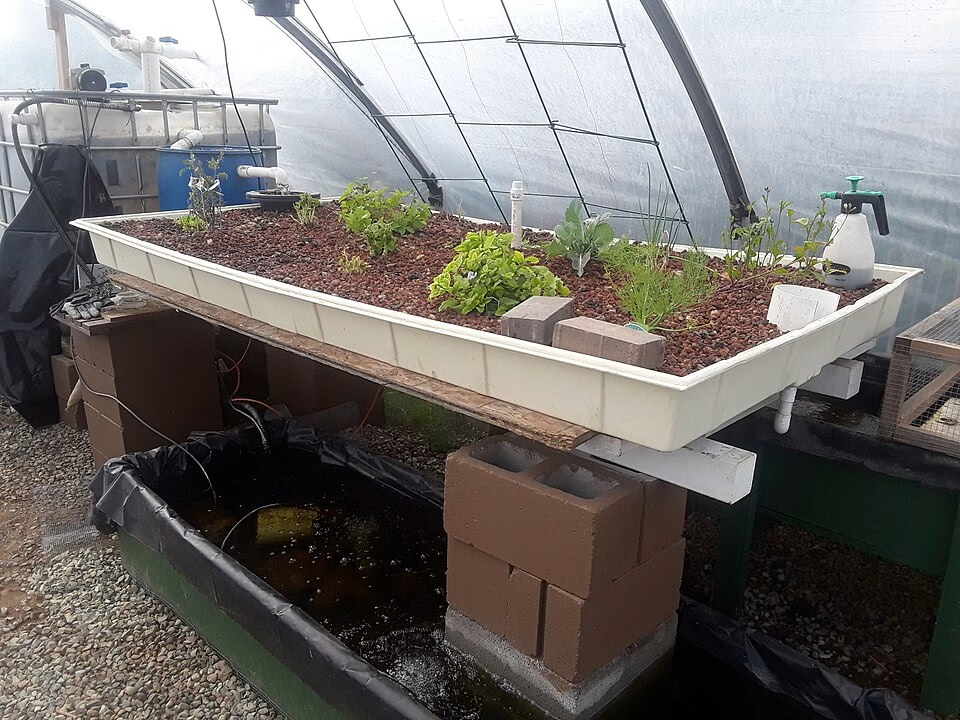
Ebb & Flow Hydroponics – What Is It and How to Build Your Own
As sustainable and water-efficient growing methods gain popularity, ebb and flow hydroponics stands out as a versatile and beginner-friendly system. Also called flood and drain hydroponics, this method involves flooding plant roots with nutrient-enriched water then draining it away to ensure they receive both hydration and oxygen. The controlled water cycles simulate natural wet-dry soil rhythms, optimizing root health and crop yields.
For home growers, hobbyists, and even small commercial operations, building a DIY ebb and flow system offers personal control and cost savings over proprietary kits. This detailed guide explains how ebb and flow hydroponics works, its benefits, and walks you through building a simple yet effective system from readily available parts.
Affiliate Disclosure: This article contains affiliate links. If you purchase through these links, soilfreeharvest.com may earn a small commission at no extra cost to you.
What Is Ebb and Flow Hydroponics?
In ebb and flow hydroponics, plants grow in containers or trays filled with inert mediums such as expanded clay pellets, coco coir, or rock wool. These trays are periodically flooded with a nutrient solution pumped from a reservoir below. After flooding, the solution drains back down, leaving the roots exposed to air.
This flooding and draining cycle repeats multiple times a day, allowing plants to:
- Access ample water and nutrients during floods
- Receive oxygen during drain cycles to prevent root suffocation
This balance of moisture and oxygen encourages healthy root development and supports rapid growth. The system mimics how soils retain moisture yet naturally dry out, limiting root diseases common in constantly saturated media.
Advantages of Ebb and Flow Systems
- Water Efficiency: Flood and drain cycles recycle nutrient solutions, minimizing water waste.
- Healthy Roots: Periodic draining exposes roots to oxygen, preventing rot and promoting robust development.
- Crop Versatility: Supports vegetables, herbs, strawberries, flowers, and many crops.
- Low Cost and Easy Maintenance: Uses simple pumps and timers without continuous water flow.
- Customization: Modular design allows scale adjustment from tabletop units to larger greenhouses.
If you’re new to hydroponics, review our What Is Hydroponic Gardening? A Beginner’s Guide for foundational knowledge on system types and plant care.
Detailed DIY Guide to Building an Ebb and Flow Hydroponic System
Building your own ebb and flow system requires attention to design and component selection. Below is a step-by-step walkthrough designed for an indoor or small greenhouse setup:
Materials and Tools
- Flood tray: Select a food-safe, waterproof tray sized to your grow area (e.g., plastic or polypropylene). Depth around 4-6 inches is ideal.
- Reservoir: A watertight container sized to hold 10-20 liters of nutrient solution depending on tray volume.
- Submersible water pump: Choose a reliable pump rated for the reservoir size and flow rate (~400-800 GPH for small to medium setups).
- Flood and drain fittings: Bulkhead fittings to connect water inlet and drain tubes on the tray.
- Tubing and connectors: Flexible tubing to link pump and tray.
- Timer or programmable controller: To automate flood cycles.
- Growing medium: Clay pellets, coir, rock wool cubes, or similar inert medium.
- Net pots or plant containers: Sized to fit in the flood tray and allow root expansion.
- pH and nutrient test kit: For maintaining optimal solution conditions.
- Waterproof sealant and silicone (optional): For sealing fittings and joints.
- Drill and hole saw bits: To make drainage holes in the flood tray.
Step 1: Setting Up the Flood Tray
- Select a level, sturdy surface to place the flood tray.
- Drill two drainage holes on opposite ends near the bottom edge of the tray. One hole is for the flood inlet from the pump; the other serves as the drain outlet.
- Install bulkhead fittings securely into each hole, ensuring watertight seals with silicone or sealant as necessary.
Step 2: Preparing the Reservoir
- Position the reservoir beneath or near the flood tray to allow gravity-assisted drainage.
- Fill the reservoir with water mixed with a hydroponic nutrient solution as per product instructions.
- Connect the submersible pump inside the reservoir to the flood inlet fitting on the tray using tubing.
Step 3: Assembling the Drain System
- Attach tubing from the tray’s drain fitting to the reservoir to allow solution to return after flooding.
- Ensure tubing is securely fastened to prevent leaks.
Step 4: Installing the Timer and Flood Cycle Programming
- Plug the pump into the timer.
- Program flood cycles based on plant needs: generally 15-20 minute floods every 2-4 hours work well for most leafy greens; adjust timing for crop type and environmental conditions.
- The pump will flood the tray on schedule, then stop to let the solution drain.
Step 5: Adding Growing Medium and Plants
- Fill net pots with your chosen medium.
- Place seedlings or seeds inside the net pots.
- Position the net pots evenly in the flood tray to allow nutrient flow around roots.
- Optionally, add a thin layer of medium on the tray bottom to stabilize pots.
Step 6: Monitoring and Adjusting
- Regularly check reservoir pH (ideally 5.5-6.5) and nutrient conductivity to optimize plant uptake.
- Refill and replace nutrient solutions every 1-2 weeks.
- Adjust flood frequency and duration as plants grow or conditions change.
An alternative build with step-by-step pictures and automation using a Raspberry Pi system can be found on my favorite ADHD rabbit hole: Instructables: Basic Ebb and Flow a Simple Hydroponic System
Affiliate Recommendations for DIY Builders
- A container for the flood tray and reservoir with custom sizes perfect for your space.
- Choose energy-efficient submersible water pumps tested for hydroponic use.
- Select simple yet reliable digital timers and programmable controllers to automate watering cycles.
- For a simple timer option check out the VIVOSUN Digital Timer Outlet 7 Day Programmable Digital Outlet Timer with 2 Independent Outlets
- For more advanced options check out the VIVOSUN GrowHub Outlet Controller A22 with Temperature and Humidity Sensor Probe, Smart Environmental WiFi-Controller, Smart Plug
- Get premium clay pellets, coco coir, and rock wool growing media.
- My go-to for Ebb & Flow is LECA – LECA – Hydroton Original Clay Pebbles – 10 Liter
- Halatool 72PCS 1.2 Inch Rockwool Cubes with 56PCS 2 Inch Net Cups
- Nutrients are essential for any hydroponics setup
- General Hydroponics Flora Series. This 3-part system lets you tweak nutrients based on growth stage. It’s beginner-friendly and widely trusted.
Troubleshooting Common Ebb and Flow Issues
- Pump Fails to Flood Tray: Check timer and power supply. Inspect tubing for clogs or disconnections.
- Water Not Draining Properly: Ensure drain tube is unobstructed and angled for gravity.
- Root Rot Signs: Over-flooding or insufficient drainage can drown roots. Adjust cycle length. For more details about root rot, see our previous post: How to Prevent Root Rot in Hydroponic Systems
- Algae Growth: Keep system shielded from light and clean trays/reservoir regularly.
Optimization Tips for Best Results
- Use opaque reservoirs to prevent algae.
- Place air stone in reservoir for additional oxygenation.
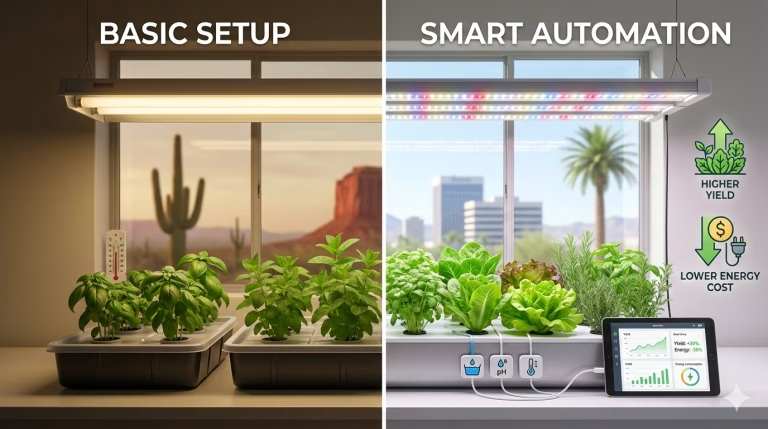
- Consider upgrading to smart irrigation controllers for precise feeding.
- Monitor environmental factors like temperature and humidity for balanced growth.
Frequently Asked Questions (FAQ)
What is ebb and flow hydroponics?
Ebb and flow hydroponics, also known as flood and drain, is a system where a grow tray filled with plants and growing medium is periodically flooded with nutrient-rich water. After a set time, the water drains back into a reservoir. This cycle provides both hydration and oxygen to plant roots, promoting healthy growth without soil.
How does the flood and drain cycle work?
A submersible pump controlled by a timer floods the grow tray with nutrient solution. The roots absorb water and nutrients during flooding. When the pump shuts off, the water drains away by gravity, exposing roots to oxygen before the next cycle.
What materials do I need to build a DIY ebb and flow hydroponic system?
Essential materials include a waterproof flood tray with drainage holes, a nutrient reservoir, submersible water pump, timer, tubing and bulkhead fittings for flood and drain connections, inert growing medium such as clay pellets or coco coir, net pots or containers for plants, and pH/nutrient testing kits for solution management.
How often should I run the flood and drain cycles?
Flooding typically occurs every 2 to 4 hours for 15 to 30 minutes, but exact timing depends on plant type, growing medium, and environmental conditions. Seedlings may need fewer cycles while mature plants may require more frequent watering.
What plants grow best in ebb and flow hydroponic systems?
Leafy greens like lettuce and spinach, herbs such as basil and mint, tomatoes, peppers, strawberries, and various vegetables thrive in ebb and flow systems due to the balance of moisture and oxygen at the roots.
How can I prevent root rot and other problems?
Ensure flood cycles are not too long or too frequent to avoid waterlogging. Maintain cleanliness by regularly flushing the system to prevent algae and pathogens. Use opaque reservoirs to reduce algae growth and monitor water temperature to keep it within optimal ranges (65-75°F).
Where can I find pumps, timers, and growing media for my system?
Affiliate partners at SoilFreeHarvest.com offer a range of reliable hydroponic pumps, programmable timers, and premium growing media like expanded clay pellets, coco coir, and rock wool. Visit the Hydroponic Supplies section for carefully vetted product links.
Can ebb and flow systems be scaled for larger operations?
Yes, ebb and flow systems are highly scalable. From small home setups to commercial greenhouses, the modular design and simple mechanics allow easy adaptation for various sizes and crop volumes.
Share this:

Discover more from Soil Free Harvest
Subscribe to get the latest posts sent to your email.








5 Comments