5 Best Hydroponic Crops to Start in October for Winter Harvests
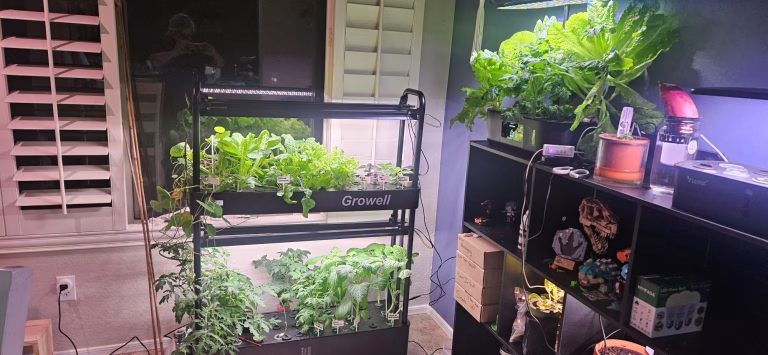
October marks the perfect time to shift your hydroponic garden toward winter-friendly crops that thrive in cooler months and shorter daylight hours. While outdoor gardens begin their seasonal slumber, your indoor hydroponic system can continue producing fresh, nutritious vegetables and herbs throughout the winter months.
Affiliate Disclosure: This article contains affiliate links. If you purchase through these links, soilfreeharvest.com may earn a small commission at no extra cost to you.
Why October is Ideal for Winter Crop Planning
As outdoor temperatures begin to drop and daylight hours decrease, October presents a strategic window for hydroponic gardeners. Starting your winter crops now gives them 4-6 weeks to establish strong root systems before the deep winter months arrive. This timing is crucial for ensuring continuous harvests when fresh produce becomes expensive and less available in stores.
The controlled environment of hydroponics eliminates weather-related growing challenges, making it possible to maintain optimal growing conditions regardless of outdoor temperature fluctuations. Modern hydroponic systems with smart technology integration can automatically adjust lighting, temperature, and nutrient delivery to compensate for seasonal changes.
Top 5 Winter Hydroponic Crops for October Planting
1. Leafy Greens: Lettuce, Spinach, and Kale
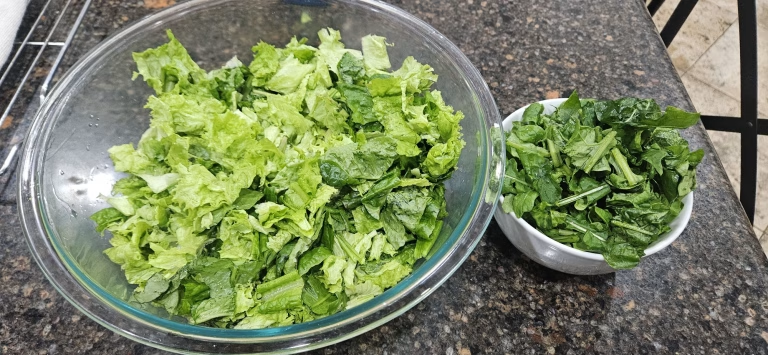
Leafy greens are the superstars of winter hydroponic gardening, thriving in cooler temperatures and lower light conditions. These crops actually prefer the milder conditions that come with fall and winter indoor growing.
Best varieties for October planting:
- Lettuce: Buttercrunch, Black Seeded Simpson, and winter-hardy romaine varieties
- Spinach: Space, Bloomsdale Long Standing, and hybrid varieties bred for indoor growing
- Kale: Winterbor, Red Russian, and dwarf varieties perfect for compact systems
Growing timeline: Most leafy greens reach harvestable size in 30-45 days, providing fresh salads by mid-November. These crops can tolerate temperatures as low as 50°F, making them ideal for unheated growing spaces or energy-conscious gardeners.
2. Fresh Herbs: Cilantro, Parsley, and Dill
Herbs are among the most profitable crops for home hydroponic systems, with fresh cilantro, parsley, and dill commanding premium prices at grocery stores. October’s cooler conditions actually improve the flavor profiles of these cool-season herbs.
Cilantro is particularly well-suited for fall planting, as it bolts quickly in summer heat but thrives in cooler conditions. Fresh cilantro can be harvested in just 3-4 weeks from seed, providing multiple harvests throughout the winter months.
Parsley and dill establish strong root systems when planted in October, ensuring continuous harvests for winter cooking and preservation projects. These herbs can handle brief exposure to temperatures in the 40s°F, making them excellent choices for minimally heated growing spaces.
3. Microgreens: Fast-Growing Nutrition Powerhouses
Microgreens offer the fastest return on investment in hydroponic systems, with most varieties ready to harvest in just 7-14 days. October is an excellent time to establish a continuous microgreen production system for winter nutrition.
Top microgreen varieties for October:
- Radish microgreens: Spicy flavor, ready in 6-8 days
- Pea shoots: Sweet, tender shoots perfect for salads and stir-fries
- Sunflower microgreens: Nutty flavor and crunchy texture
The compact growing requirements make microgreens perfect for countertop systems or small-scale operations. A single 10×20 inch tray can produce enough microgreens for a family’s weekly consumption.
4. Root Vegetables: Radishes and Baby Carrots
While full-size root vegetables require deeper growing systems, baby varieties of radishes and carrots thrive in standard hydroponic setups. October planting allows these crops to develop during the cooler months when their flavors become sweeter and more concentrated.
Cherry Belle radishes can be harvested in just 25-30 days, while baby carrot varieties like Paris Market reach maturity in 50-60 days. These crops add satisfying crunch and vibrant colors to winter salads and meals.
5. Cold-Hardy Brassicas: Arugula and Mustard Greens
Arugula and mustard greens are incredibly cold-tolerant, actually improving in flavor as temperatures drop. These spicy greens add complexity to winter meals and can handle near-freezing temperatures without protection.
Arugula grows rapidly in hydroponic systems, reaching baby leaf stage in just 21 days. Mustard greens offer variety with different leaf shapes, colors, and spice levels, from mild mizuna to fiery red giant varieties.
Optimizing Your System for October Planting
Lighting Adjustments for Shorter Days
As daylight hours decrease, supplemental lighting becomes crucial for maintaining growth rates. LED grow lights should provide 12-16 hours of daily illumination for leafy crops, adjusting gradually as natural daylight continues to decrease.
Energy-efficient full-spectrum LED systems can reduce electricity costs while providing optimal growing conditions. Smart lighting systems can automatically adjust schedules and intensity based on natural light availability.
Temperature and Humidity Management
Maintaining consistent temperatures between 60-70°F optimizes growth for most winter crops. Insulating your growing area and using water heaters in reservoirs can help maintain stable root zone temperatures as ambient temperatures drop.
Indoor heating systems can create dry air conditions, requiring attention to humidity levels. Grouping plants together and using humidity trays can naturally increase moisture levels around your crops.
Nutrient Considerations for Cooler Growing
Nutrient uptake can slow in cooler conditions, requiring adjustments to feeding schedules and concentrations. Monitor EC/TDS levels more frequently and consider reducing nitrogen levels slightly as plant metabolism slows.
Organic nutrient solutions are gaining popularity for winter growing, supporting beneficial microbial activity that can help plants better utilize available nutrients in cooler conditions.
Planning Your Continuous Harvest Schedule
Staggered planting ensures continuous harvests throughout winter. Plant new seeds every 2-3 weeks for crops like lettuce and microgreens, creating a perpetual harvest system that provides fresh produce year-round.
By December, your October plantings will be providing fresh, homegrown produce when grocery store prices peak and quality declines. A well-planned winter hydroponic garden can reduce grocery bills by $200-400 during the winter months while providing superior nutrition and flavor.
Getting Started This Week
This week represents the optimal window for starting your winter hydroponic crops. Delayed planting means missed opportunities for Thanksgiving harvests and higher energy costs as winter deepens.
Start with simple, proven crops like lettuce and herbs if you’re new to winter hydroponics. These forgiving plants will build your confidence while providing immediate returns on your investment.
The transition from summer to winter growing doesn’t mean compromising on fresh, homegrown produce. By selecting the right crops and timing your October planting correctly, your hydroponic system can maintain peak productivity throughout the coldest months. Your future self will thank you for the foresight when you’re harvesting fresh salads in January while your neighbors rely on shipped, expensive store-bought greens.
Ready to start your winter hydroponic garden? Check out our affiliate links for recommended systems and supplies, or explore our complete guide to hydroponic system setup for beginners.
My Amazon Favorite Seed Collections:
- Herb Seeds Variety Pack | 10 Culinary Herbs for Planting – Basil, Cilantro, Lavender, Dill, Parsley, Oregano, Thyme, Sage, Chives, Marjoram – Indoor Kitchen Herb Kit – Survival Garden Seeds
- 10 Power Greens Seed Collection – Heirloom Collards, Mustard, Swiss Chard, Spinach, Kale, Tatsoi, Pak Choi & More for Fall & Spring Planting | Survival Garden Seeds
Share this:

Discover more from Soil Free Harvest
Subscribe to get the latest posts sent to your email.