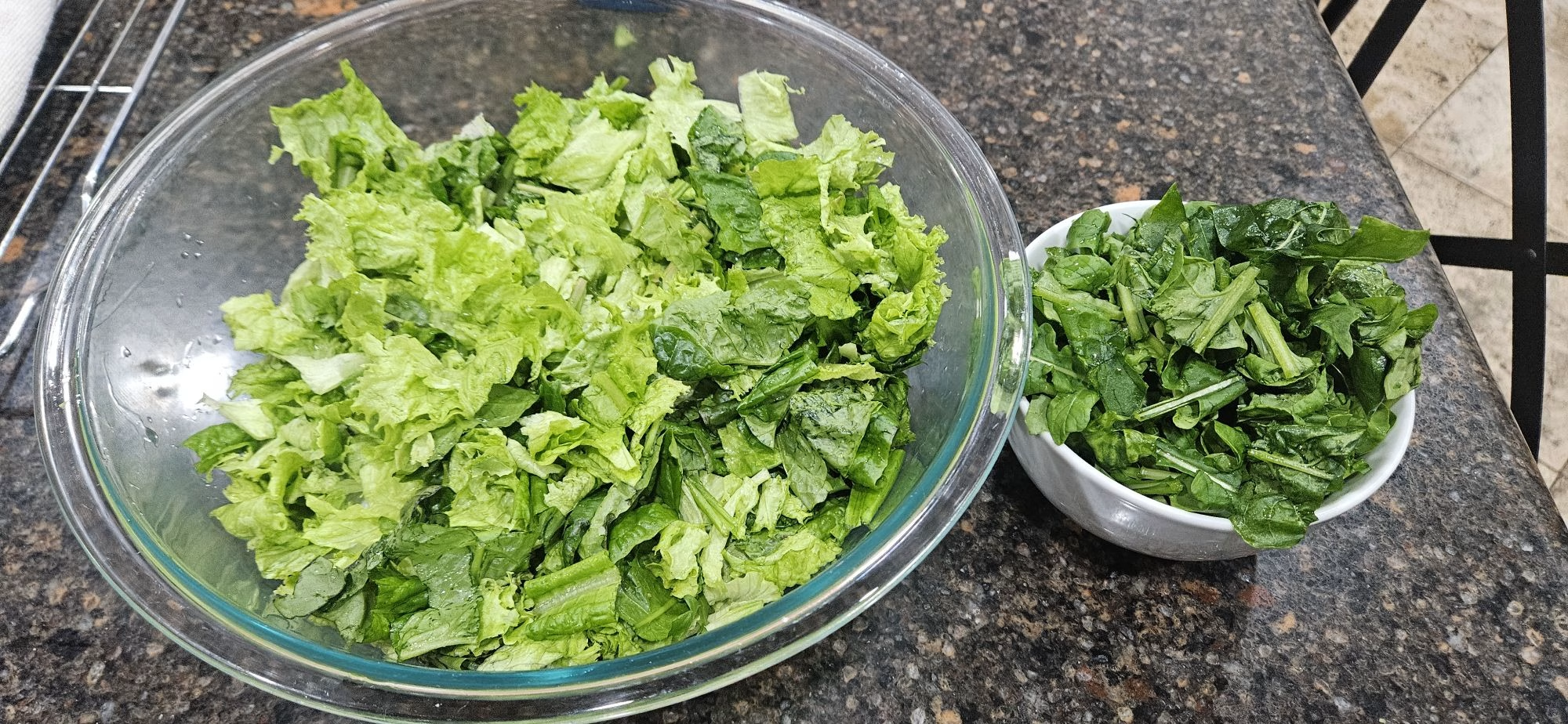
From Pesticide-Free to Restaurant-Ready: Meeting Commercial Standards in Home Hydroponic Systems

Home growers can move their hydroponic basil, lettuce, or microgreens from “nice hobby crop” to “restaurant-ready product” by building a simple food safety routine focused on water quality, equipment cleanliness, documented practices, and proper cooling and storage. You do not need expensive certifications or a commercial license to start; you need consistent sanitation, basic recordkeeping, and a clear explanation of how you control contamination risks. Most restaurants care more about your actual practices and relationship with safety than about logos on your packaging.
TL;DR: Start with a one-page food safety summary of your system type, water source, cleaning schedule, and cooling practices. Work through a basic GAPs or Produce Safety training, keep simple logs, and upgrade your harvest bins and storage to food-grade materials. As you scale, stay organized and add backup systems for power and water to avoid emergency harvests that skip safety steps.
What does “restaurant-ready” actually mean for a home hydroponic grower?
Restaurant-ready produce is safe, consistent, traceable, and protected from contamination from seed to delivery. For a small home operation, this translates into six core responsibilities: knowing and testing your water, keeping all food-contact surfaces clean, enforcing hand hygiene and dress codes, preventing pests and animals from entering your grow zone, using safe nutrient and media handling, and cooling or storing product properly after harvest.
The good news is that restaurants buying from micro-growers rarely expect pharmaceutical-grade documentation or third-party audits for very small volumes. What they do expect is that you can walk them through your system, show basic logs, and honestly explain how you manage the biggest contamination risks. Many chefs value a direct relationship with a grower who is transparent about practices over a distant, certified supplier.
When does a home grower get regulated as a “farm” for food safety?
Home gardens that do not sell produce fall outside FDA regulation; once you start selling to restaurants, markets, or retailers, you enter the food system even if your sales are tiny. The FDA’s Produce Safety Rule covers farms that sell any amount of produce covered by the rule, though very small farms may qualify for modified requirements or exemptions based on sales volume and direct-to-consumer sales.
State and local rules vary widely, but common regulatory triggers include selling beyond friends and family, selling at licensed farmers markets, or supplying institutions like schools and restaurants. Even if your sales fall below a formal threshold, farmers market managers, restaurant buyers, and distributors can set their own food safety requirements, which often track the spirit of FSMA and GAPs. Starting with strong practices now means you will not have to scramble if a buyer or inspector asks questions later.
[INTERNAL LINK: selling hydroponic produce locally → farmers market and direct sales considerations]
What are the key food safety risks in home hydroponic systems?
The main risks in indoor hydroponic operations center on water quality, biofilms in plumbing and reservoirs, dirty equipment surfaces, poor hand hygiene, and temperature abuse after harvest. Unlike field farms, home growers also face the added risk of proximity to household products, pets, and shared living spaces where contamination can easily migrate.
High-profile outbreaks linked to hydroponic and indoor leafy greens have exposed gaps in water sanitation, inadequate cleaning of recirculating systems, and poor postharvest handling that allowed pathogens to survive and grow. The consolation is that these risks are highly manageable with consistent practices; they are not invisible or exotic like some soil-borne pathogens.
Hydroponic water quality testing → water testing and monitoring
Which hydroponic systems and crops are best suited for restaurant-ready production?
Leafy greens, baby lettuces, microgreens, basil, mint, cilantro, and compact fruiting crops like cherry tomatoes are the most practical for home and apartment growers aiming to sell. These crops fit well into deep water culture (DWC), nutrient film technique (NFT), vertical towers, media beds, and Kratky systems, all of which can be cleaned and sanitized reliably in small spaces.
Ready-to-eat leafy greens and herbs carry the highest food safety bar since they will not be cooked, so many micro-growers start there once they are confident in their cleaning and hygiene routines, then expand to root crops or vine crops once they understand scaling demands. Fruiting crops like peppers and tomatoes require more handling and longer growth cycles, so they are often reserved for a second phase of production once basic systems and routines are proven.
How do you build a simple food safety plan for your home hydroponic system?
A food safety plan for a micro-grower does not need to be a thick binder; it can be a single page that documents what you grow, how you grow it, and how you control the six big risks. Your plan should identify your water source, your cleaning and sanitizing procedures, your handwashing setup, your pest and animal exclusion rules, your nutrient and media handling, and your cooling and storage practices.
The next step is to actually follow the plan consistently and log what you did each week so you can show a buyer or inspector that this is your normal operation, not a one-time cleanup. Simple handwritten or digital logs are enough: dates you cleaned, water test results if you have them, harvest dates and batch IDs, and who helped with the work. This consistency is what restaurants and market managers care about most.
What standards and certifications apply to home hydroponic growers?
For tiny operations just starting to sell, three buckets of guidance matter: the FDA’s Produce Safety Rule (which sets science-based minimums), voluntary Good Agricultural Practices (GAPs) trainings and guides, and buyer-specific requirements such as farmers market rules or restaurant checklists. Traditional third-party certifications like full GAP audits or organic certification are possible but usually come after you have steady sales volume and a proven track record.
Most home growers benefit most from taking a Produce Safety Rule training (often free through university extension services) or a regional hydroponic-specific GAPs guide, both of which walk through risk identification and practical controls step by step. These trainings also generate a certificate you can show to buyers as proof that you understand the rules and take safety seriously.
What gear and setup upgrades move a home hydroponic operation toward commercial standards?
Most home hydroponic setups can meet commercial food safety expectations with three categories of upgrades: surfaces and materials, washing and packaging, and storage and transport equipment. You do not need to build a full processing facility, but you do need to replace porous, hard-to-clean household surfaces with food-contact-safe materials.
Practical upgrades include:
- Switching from household plastic tubs or buckets to food-grade harvest bins or stainless steel trays that you can sanitize reliably.
- Using smooth, nonporous shelving or benches (stainless steel, epoxy-coated, or sealed plywood) instead of wood that harbors moisture and microbes.
- Adding a dedicated handwashing station near the grow or pack area with hot water, soap, and paper towels.
- Setting up a small refrigerator, cooler, or insulated box with a thermometer to cool and store finished product before delivery.
- Investing in smooth, food-safe cutting boards, harvest knives, and pruning shears that you sanitize between every use.
How do you lay out a home hydroponic system to minimize contamination?
The cleaner and more enclosed your system, the easier it is to explain controls to buyers and stay confident in your product. Separate “dirty” activities like potting, media handling, and nutrient mixing from “clean” activities like harvesting and packaging, even if that just means using different tables or timing your tasks at different hours.
Practical layout tips include:
- Using a grow tent or dedicated room that excludes pets, prevents tracking in dirt or dust, and lets you control access during sensitive stages like harvest.
- Storing nutrients, cleaning chemicals, fertilizers, and tools well away from harvest bins, wash areas, and finished product storage.
- Positioning your handwashing station between the “dirty” work area and the harvest or packing zone so people wash hands before moving into clean tasks.
- Keeping food-contact equipment like harvest bins and cutting boards separate from system maintenance tools like wrenches and pH probes.
How to scale from hobby to micro-farm without losing safety standards
Title: Building a Compliant Food Safety Routine for Home Hydroponic Sales
Description: A practical weekly and monthly routine to upgrade a home or apartment hydroponic setup toward restaurant-ready handling, traceability, and documentation standards.
Materials and tools
- Food-grade harvest bins and sanitizing racks
- Mild detergent and an approved food-contact sanitizer (bleach solution or commercial produce sanitizer)
- Dedicated, smooth-surface cutting boards and harvest knives or scissors
- Disposable gloves or designated washable harvest gloves
- Hand soap, paper towels, and a handwashing station or bucket with clean water
- Thermometer for monitoring product temperature
- Digital or paper log sheets for water tests, cleaning dates, and harvest batches
- Storage containers (plastic or stainless) clearly labeled for finished product
Step 1: Map your entire system from nutrient source to delivery
Draw or photograph your system and mark every surface that touches nutrient solution, seedlings, or harvested leaves: reservoirs, grow channels or buckets, rafts, seedling trays, harvest tools, bins, wash water, cutting surfaces, packaging, and storage areas. This map shows you what needs to be cleaned and helps you catch gaps before they become problems.
Step 2: Establish a daily cleaning and sanitizing routine
Create a checklist for daily tasks (wipe harvest tables and sanitize knives before and after use, wash hands or change gloves before starting) and assign weekly deep-clean jobs (sanitize bins after each harvest, drain and inspect tubing for debris or biofilm). Between crop cycles, plan a full system sanitization of all contact surfaces, reservoirs, and plumbing to eliminate biofilms and pathogens. Post this schedule somewhere visible so anyone helping you knows what is due today versus next week.
Step 3: Verify your water source and set up a testing or logging system
Confirm that your nutrient solution water comes from a safe source: municipal tap water (which is already tested), filtered water, or reverse osmosis (RO) water you prepare yourself. If you recirculate water or use a non-tested private source, arrange at least annual water testing through your local health department or a commercial lab to check for bacteria, nitrates, or other contaminants. Log each water change, test result, and any unusual appearance (cloudiness, off-odor, slime) so you can spot problems early and show buyers you are monitoring actively.
Step 4: Plan cooling and storage immediately after harvest
Move harvested greens, herbs, or produce into a refrigerator or insulated cooler as soon as practical after cutting, ideally within one hour. Use clean, food-grade packaging (sealed bags or clamshells, not plastic grocery bags) and label each batch with the crop type, harvest date, and any lot or batch ID you use for traceability. Keep a thermometer in your storage box and aim for 32 35°F (0 2°C) for greens and 35 40°F (1.5 4°C) for herbs and other delicate crops.
Step 5: Write down and follow a strict handwashing and hygiene protocol
Before you start work in the grow area and before you harvest or pack product, wash your hands with soap and warm water for at least 20 seconds. Remove jewelry, tie back hair, and establish a rule that no one eats, drinks, or applies cosmetics in the grow or pack zone. If you or anyone helping you is sick, do not work with produce; it is not worth the risk of spreading illness through food.
Step 6: Document your harvest, buyer, and any issues or complaints
Keep a simple harvest log noting the date, crop, estimated weight or count, which buyers or orders it went to, and any notes about quality or problems (wilting, yellowing, off-smell). If a buyer complains or you notice something wrong with a batch after delivery, you will want to know which batch it was and where else it might have gone so you can quickly notify other customers or investigate the root cause.
Step 7: Build a one-page food safety summary to show buyers and markets
Summarize your system type (DWC, NFT, tower, media bed, Kratky), the crops you grow, your water source, your main cleaning practices, your cooling and storage setup, and anyone on your team. Include your contact information and a note that you follow best practices or have completed food safety training; this single page is often enough to pass initial conversations with chefs, market managers, or distributors.
Step 8: Review and adjust your system monthly based on logs and feedback
Every month, review your cleaning logs, harvest logs, and any feedback from buyers to identify gaps or near-misses. Did you skip a cleaning because you were busy? Did a batch wilt faster than expected, suggesting a cooling problem? Did a buyer ask about something you have not yet documented? Use these real-world signals to tweak your routines before problems cascade and damage your reputation or trigger a formal complaint.
How do produce safety rules and GAPs guide differ for hydroponic operations?
Hydroponic systems face many of the same contamination risks as field farms (soil, water, worker hygiene, pests) but also unique challenges like biofilms in plumbing, contaminated recirculating water, and equipment that is hard to clean. Guidance documents from universities and produce safety alliances now emphasize that treating water as a food-contact surface, routinely sanitizing all plumbing and reservoirs, and controlling biofilms are just as critical as managing worker hygiene.
For home growers, the practical takeaway is that your cleaning and maintenance routines need to be stricter than they might be for a hobby garden because your system is now part of a food safety chain. Weekly or monthly deep cleaning of reservoirs, filters, and tubing is not optional; it is part of your cost of selling food.
What does a restaurant usually ask when you pitch your hydroponic product?
Restaurants and chefs often ask straightforward questions about your growing method, crops, and reliability before they worry about certifications. Common topics include: How do you grow the produce (system type and lighting)? Do you use pesticides or herbicides? How do you ensure water safety? How often can you deliver, and what volumes? Can you supply consistently week to week?
Beyond product questions, many restaurants ask about you: How long have you been growing? Have you taken any food safety training? Can you provide references from other restaurants or farmers markets? The relationship and trust matter as much as the vegetable itself, especially for small buyers who lack the ability to audit your facility formally.
How do you handle water quality and sanitation in a recirculating system?
Recirculating systems (like DWC or NFT where water is reused instead of drained after one pass) require more careful water management because contaminants can accumulate and spread through the entire system. At minimum, maintain good aeration and oxygen levels so roots stay healthy and biofilms do not establish as easily. Replace nutrient solution completely between crop cycles, and consider sanitizing the entire reservoir, plumbing, and channels with food-contact-safe sanitizer (diluted bleach or commercial product) before refilling and replanting.
If you notice any slime or biofilm inside tubing, channels, or on the reservoir walls, that is a warning sign that you need stronger sanitation practices. Use a soft brush to scrub visible biofilm, then flush with sanitizer and rinse thoroughly with clean water before the next crop. Over time, upgrading to UV-C light or other biofilm-control measures can reduce manual cleaning burden, but simple good hygiene usually solves most problems at home scale.
What role do certifications like organic play in home hydroponic business?
In the United States, hydroponic produce can be USDA certified organic if inputs (seeds, nutrients, pest controls, and additives) meet organic standards and the operation is inspected and approved. However, organic certification requires detailed record keeping, cost (inspection and certification fees), and often yields no price premium at home scale because local restaurants and markets prioritize freshness, flavor, and relationship over labels.
For most home and apartment growers just starting to sell, organic certification is a second-phase goal, if at all. Instead, focus first on strong food safety practices and transparent communication about what inputs you use (organic or not), then explore certification only if a buyer specifically requests it or you see significant price upside to justify the paperwork and fees.
What are the common mistakes home hydroponic growers make when scaling to sales?
Frequent pitfalls include underestimating how long cleaning takes, using household containers that cannot be sanitized reliably, delivering warm product that wilts quickly, and starting to sell before having any records or clear explanations of safety practices. Another mistake is growing more volume than you can harvest, cool, and deliver safely in a single day; this tempts you to skip steps or store product at room temperature too long, which creates both food safety and quality problems.
Many new sellers also assume restaurants want certifications and logos, when in fact most small restaurants primarily want quality, reliability, and a grower they can talk to. Spending time on relationship building, simple documentation, and consistency often pays off faster than chasing expensive certifications.
How do you transition from “hobby grower” to “registered small producer” if your state requires it?
Some states or counties require small food producers to register with the health department or obtain a license even if they fall below federal regulatory thresholds. Contact your local health department or state agriculture agency to ask what rules apply to your county and scale; rules vary widely by state, so a quick phone call saves you from discovering you were breaking rules.
In many cases, registration is free or low cost and mostly requires filling out a form with your name, address, crops, production system, and estimated sales. If a health inspector visits, having already registered and having basic logs and food safety practices in place puts you in a much stronger position than if you are caught off guard with no documentation or system in place.
FAQ: Home hydroponics from pesticide-free to restaurant-ready
1. Do I need a formal third-party certification to sell my home hydroponic lettuce to a restaurant?
In most cases, very small growers selling directly to a few local restaurants are not required to have third-party certifications like GAP audits or organic seals. However, you must follow basic food safety practices, comply with any local health rules, and many buyers ask for proof of training, a food safety summary, or sample logs to confirm you are managing risks. Start with strong practices and simple documentation; certifications can come later if a buyer or volume justifies the investment.
2. Are hydroponic greens automatically safer than field-grown greens?
Hydroponic systems avoid soil-borne pathogens and can offer advantages like enclosed environments, but they still carry risks from contaminated water, dirty equipment, and poor hygiene. Investigations into outbreaks linked to high-tech indoor leafy greens have shown that even advanced facilities can have problems if water quality and sanitation are neglected. Safety depends on your actual practices, not just your system type.
3. What is the biggest food safety risk in a home hydroponic system?
Water quality and biofilm buildup in reservoirs and plumbing are among the top risks because they are easy to overlook and hard to see. Dirty equipment and poor handwashing are close seconds because they are common even in growers who think they are being careful. Focus your attention on water sanitation, routine cleaning of plumbing and tanks, and strict handwashing before any food handling.
4. How much does it cost to upgrade a home system to restaurant-ready standards?
Most upgrades are low cost: food-grade bins, basic sanitizer, a dedicated fridge shelf or cooler, and cleaning supplies often total less than $200. The bigger investment is time: cleaning routines, log keeping, and learning how to handle product safely take a few hours per week and cannot be compressed without cutting corners. Your first few sales may not break even once you account for labor, but consistency and buyer relationships often improve quickly after the first month or two.
5. Can I sell hydroponic produce from my apartment if I have roommates or pets?
Yes, but you need clear separation between your grow, harvest, and pack areas and the rest of the apartment. Using a closed grow tent, a dedicated room with a door you can close, or even a sealed cabinet keeps pets and roommates from contaminating your system or product. Establish a rule that no one but authorized harvest staff enters the zone during sensitive times, and clean more frequently to manage any hair, dust, or odor that might migrate from shared spaces.
6. How often should I clean my hydroponic reservoirs and channels if I am selling produce?
At minimum, sanitize between crop cycles and anytime you see visible buildup, slime, or off-odors inside tanks or tubing. High-turnover systems like NFT for baby greens may benefit from more frequent quick inspections and rinses to catch biofilm before it becomes a problem. For DWC or tower systems, a full water change and tank sanitization every 3 4 weeks is a good baseline if you are running continuously.
7. Should I wash my harvested greens before selling them, or sell them “unwashed”?
Many small growers sell as “triple-washed” or “ready to eat,” which commands a premium but raises the bar for water quality and handling because the product will not be washed again before consumption. Others sell as “harvested fresh, rinse before use,” which still requires clean handling but slightly lowers buyer expectations. Be clear on your label or with buyers which you are selling so they know what to expect.
8. How long can I keep harvested hydroponic lettuce or herbs in the fridge before quality suffers?
Most hydroponic lettuce and leafy greens stay fresh and crisp for 3 5 days at 35 40°F if handled properly after harvest (cooled quickly, kept dry, and packed in breathable containers). Herbs like basil, cilantro, and mint can last 1 2 weeks if kept cool and slightly moist. Longer shelf life means you can batch harvests and make fewer deliveries, but it also increases the window for buyers to use product if quality is to be consistent.
9. What should I do if a buyer complains about quality or safety after I deliver produce?
Act quickly: pull the batch from circulation if any is left unsold, notify other customers who received the same batch, and investigate what went wrong (was product stored too warm? Did cleaning get skipped before harvest? Was the batch older than usual?). Log the incident, fix the root cause, and communicate back to the buyer with a clear explanation and how you will prevent it next time. Transparency and quick action usually preserve customer trust; avoiding or getting defensive typically ends the relationship.
10. Is it worth taking a Produce Safety or GAPs training as a tiny grower?
Absolutely, especially if you plan to grow beyond a hobby or single customer. These trainings give you a framework and checklists that scale with your business, and they often generate a certificate or credential you can show to farmers market managers, restaurants, or future inspectors, which builds confidence in your operation. Many trainings are free through university extension services or regional produce safety alliances, so the barrier to entry is low.
I am a cybersecurity engineer and hydroponics enthusiast based in the Phoenix area, growing indoors to beat intense desert heat and ultra-low humidity. My focus is on helping home and urban growers build scalable, trustworthy food production systems that turn passive hobbies into reliable products that buyers want to know and recommend.
Related Resources
- https://www.purdue.edu/hla/sites/cea/wp-content/uploads/sites/15/2018/10/AmandaDeering9-5-18.pdf
- https://foodsafetyclearinghouse.org/sites/default/files/files/gaps_hydroponics_guide_osu_ivey-ilic_lowres.pdf
- https://www.fda.gov/food/food-safety-modernization-act-fsma/fsma-final-rule-produce-safety
- https://extension.psu.edu/understanding-fsma-the-produce-safety-rule/
- https://community.aquaponicsassociation.org/t/necafs-releases-produce-safety-guides-for-hydroponic-and-aquaponic-operations/3613
- https://ucsmallfarmfoodsafety.ucdavis.edu/english/produce-safety-hydroponic-and-aquaponic-operations
- https://extension.sdstate.edu/food-safety-production-farmers-market
- https://www.lsuagcenter.com/articles/page1671229814153
- https://www.nytimes.com/2022/05/03/science/hydroponics-fda-outbreak.html
- https://www.fda.gov/files/food/published/Commodity-Specific-Food-Safety-Guidelines-for-the-Lettuce-and-Leafy-Greens-Supply-Chain-1st-Edition-(PDF).pdf
- https://www.fda.gov/media/155402/download
- https://www.nifa.usda.gov/sites/default/files/resource/Food%20Safety%20and%20the%20Farmers%20Market.pdf
- https://agfundernews.com/hydroponic-produce-can-be-certified-organic-us-federal-court
- https://carolinafarmstewards.org/resources/hydroponics-and-the-organic-label/
Share this:

Discover more from Soil Free Harvest
Subscribe to get the latest posts sent to your email.








One Comment