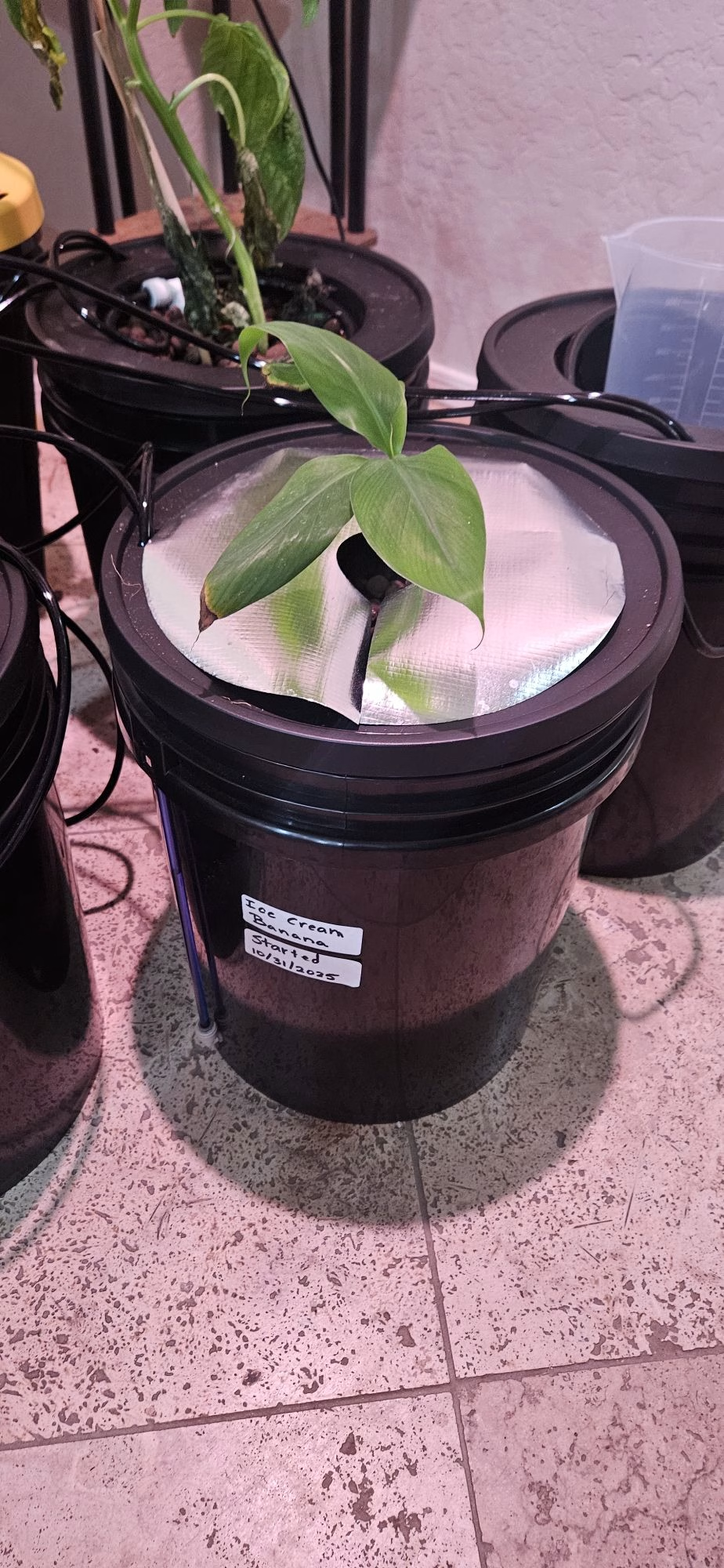
Selecting Food-Safe Materials for Hydroponics (Beginner to Advanced)
Selecting food-safe materials for hydroponics means choosing plastics like HDPE, LDPE, PP, and rigid “food grade” PVC or stainless steel and silicone for any part that touches nutrient solution or roots. Avoid unknown plastics, flexible vinyl, and non–food-grade sealants or glues, which can leach phthalates, BPA, or heavy metals into your system over time.
TL;DR: Look for food-contact symbols, NSF/FDA-style language, and resin codes 2, 4, or 5, pair them with stainless or food-grade PVC where needed, and stick to BPA‑free tubing and silicone seals to keep your indoor harvest as clean and safe as your drinking water.
What does “food-safe” mean in hydroponics?
Food-safe in hydroponics means a material is designed and tested so it does not release unsafe levels of chemicals into water or food under normal use. In practice, that means using plastics and metals approved or marketed for drinking water, food contact, or potable water storage, not just “general purpose” hardware.
Key concepts for home growers:
- Food-contact approval language
- “Food grade,” “BPA-free,” “NSF-61,” or “meets FDA food-contact requirements” are all good signs.
- These labels show the material or coating is suitable for long-term contact with water or food.
- Leaching risk
- Some plastics, sealants, and metal coatings can leach plasticizers, solvents, or heavy metals when exposed to water, nutrients, heat, or UV.
- Over time, this can affect plant health and potentially end up in your harvest.
What is hydroponic gardening? → beginner hydroponics overview
Which plastics are safest for hydroponic systems?
For reservoirs, channels, and containers, the safest plastics are HDPE, LDPE, PP, and properly rated food-grade PVC/uPVC. These are widely used in potable water tanks, food packaging, and garden gear because they are stable, durable, and relatively inert.
Recommended plastic types and codes
| Plastic type | Resin code | Typical uses | Hydroponic use notes |
|---|---|---|---|
| HDPE (High-Density Polyethylene) | #2 | Water jugs, food buckets, potable tanks | Excellent for reservoirs and lids; strong, UV‑resistant options available. |
| LDPE (Low-Density Polyethylene) | #4 | Squeeze bottles, liners, some tubing | Generally food safe; good for liners and flexible parts. |
| PP (Polypropylene) | #5 | Yogurt tubs, food-safe buckets, fittings | Stable and heat‑tolerant; ideal for fittings and containers. |
| Rigid food-grade PVC / uPVC | #3 (marked “food grade” or “NSF”) | Drinking water pipe, irrigation | Acceptable for piping when rated for potable water and used with food-safe primer/glue. |
Practical tips from home systems in hot, dry climates like Phoenix:
- Use opaque HDPE totes or reservoirs to keep light out and reduce algae.
- Choose PP or food-grade PVC fittings labeled for potable water plumbing rather than generic “project” fittings.
Which materials should hydroponic growers avoid?
Avoid plastics that are not intended for food or drinking water, especially unknown recycled bins, soft vinyl tubing, and low‑cost flexible PVC with no food-contact label. These are more likely to contain phthalates, BPA, or other plasticizers that can leach under nutrient conditions.
Materials to treat with caution:
- Unmarked or “7 – Other” plastics
- Category #7 can include polycarbonate and mixed resins that may contain BPA or other additives.
- Skip these for reservoirs and channels that stay in constant nutrient contact.
- Soft vinyl and flexible PVC
- Often made flexible with phthalate plasticizers; these can leach, especially in warm nutrient solutions.
- Use BPA‑free, food‑grade tubing instead.
- Non–food-grade sealants, paints, and epoxies
- Many construction adhesives and coatings are not intended for immersion in drinking water
- For waterproofing or sealing, choose products clearly rated for potable water or aquariums.
Common hydroponic mistakes → troubleshooting beginner hydroponics problems
How do I identify food-safe hydroponic materials?
In day‑to‑day shopping, food-safe hydroponic materials are identified by symbols, resin codes, and wording on packaging or product pages. Checking these before buying buckets, totes, tubing, or sealants is one of the easiest ways to keep your system safe.
Simple checks home growers can use
- Look for these clues on plastics
- Resin codes: prioritize #2 (HDPE), #4 (LDPE), and #5 (PP).
- Words: “food grade,” “BPA-free,” “NSF-61,” or “meets FDA food-contact requirements.”
- Check labels on sealants and coatings
- Use silicone sealant labeled for aquarium, potable water, or food contact.
- Avoid generic construction adhesives that do not mention drinking water safety.
- Tubing and fittings
- Choose tubing sold for “beverage,” “ice maker,” “RO water,” or “beer/wine transfer” to ensure food-grade plastics.
- For PVC pipe, look for potable water ratings and, when possible, food-safe uPVC rather than flexible vinyl.
Hydroponic equipment checklist → starter gear for DIY indoor systems
Are metals like stainless steel safe in hydroponics?
Stainless steel is widely used for potable water and food-production tanks and can be a very safe hydroponic material when you choose the right grade. It is durable, easy to clean, and does not leach plasticizers, making it attractive for high-end or DIY systems.
Key considerations:
- When stainless shines
- Great for reservoirs, manifolds, and supports in high-temperature or high-pressure setups.
- Resistant to UV and mechanical damage compared to many plastics.
- Potential drawbacks
- Polished, food-grade stainless can cost 3-6 times more than comparable polyethylene tanks.
- Cheaper or non‑food‑grade stainless may be more prone to corrosion or harbor biofilm if the surface is rough.
For most home and apartment growers, HDPE reservoirs paired with stainless or food-safe PVC where needed strike a good cost–safety balance.
How does leaching actually affect plants and people?
Leaching happens when small amounts of chemicals migrate from plastics, coatings, or metals into the nutrient solution. Over time, plants can absorb these compounds, and in some cases they can move into edible tissues.
What research and practice suggest:
- Plant health impacts
- Certain plastic additives and microplastics have been linked to reduced root growth and stress responses in some plants.
- Nutrient imbalances or root damage from contaminants can lower yields in fruiting crops like tomatoes, cucumbers, and peppers.
- Food safety context
- Studies on phthalates show measurable uptake into plant tissues, though transfer into fruits is often under 1% of what is present in the environment.
- Using food-grade materials reduces this background exposure and keeps your hydroponic harvest comparable to or better than typical grocery produce.
Is hydroponic food safe? → food safety in indoor hydroponics
Which safe materials should I use for each hydroponic part?
Matching the right material to each component keeps both safety and durability high. The table below outlines practical choices for common home systems like DWC, NFT, ebb-and-flow, and small vertical setups.
| Component | Recommended materials | Notes for home growers |
|---|---|---|
| Reservoirs | HDPE (#2), PP (#5), food-grade IBCs, or food-grade stainless | Choose opaque or dark colors to block light and algae. |
| Grow channels / troughs | Food-grade PVC/uPVC, HDPE, PP | For NFT pipes, use potable water PVC with food-safe primer/glue |
| Grow buckets / net pot supports | HDPE, PP food-grade buckets and lids | Avoid random storage totes with unknown plastic type. |
| Tubing | Food-grade PE, PU, or beverage-grade PVC labeled BPA-free | Look for “food/beverage” or “RO” tubing. |
| Seals & gaskets | Silicone rated for potable water or aquarium | Long-lasting and safe in nutrient solution. |
| Frames & supports (non‑contact) | Anodized aluminum, powder-coated steel, wood sealed on outside only | These do not need food-grade ratings if they do not touch solution. |
Types of hydroponic systems → DWC and Kratky comparison
How can beginners build a fully food-safe starter system?
For a first system, the easiest path is to use food-grade containers and off-the-shelf potable water plumbing parts rather than improvising. This keeps your materials list simple while still delivering clean, safe produce.
From multiple small systems run in hot, low-humidity conditions similar to Phoenix, these patterns work well:
- Use a 10–27 gallon opaque HDPE reservoir or tote labeled #2.
- Build distribution with potable water PVC or PP fittings, sealed with potable-water-safe primer and cement.
- Choose BPA‑free, food-grade tubing and silicone grommets or bulkhead fittings at all penetrations.
Beginner DWC guide → how to set up a deep water culture system
How to choose food-safe materials for a hydroponic build
Title: How to choose food-safe materials for a home hydroponic system
Description: A practical, step-by-step process to select safe plastics, metals, and sealants for indoor or balcony hydroponic gardens.
Materials and tools
- List of system components (reservoir, channels, tubing, fittings, seals)
- Access to product labels or online listings
- Marker or labels for marking resin codes
- Optional: simple TDS or EC meter to monitor any unusual changes in solution over time
Step 1: Map every part that touches water or roots
Identify which components will contact nutrient solution or plant roots, such as reservoirs, pipes, tubing, buckets, and sealants. Focus your “food-safe” requirements on these items rather than the entire stand or frame.
Step 2: Choose safe plastics by code and label
For each container or pipe, confirm the resin code is #2 (HDPE), #4 (LDPE), or #5 (PP), or that it is clearly sold as food-grade PVC/uPVC or potable water pipe. Look for wording such as “food grade,” “BPA-free,” “NSF-61,” or “meets FDA food-contact requirements.”
Step 3: Select food-grade tubing and fittings
Pick tubing sold for beverage, RO, or potable water use and avoid generic clear vinyl that lacks food-safe marking. Use PP, nylon, or potable-water PVC fittings, and ensure any quick-connects are rated for drinking water systems.
Step 4: Use safe sealants, gaskets, and glues
When sealing bulkheads, lids, or joints, use silicone sealant and gaskets labeled for aquariums or potable water. For PVC, choose primer and cement specifically rated for potable water and follow cure times before filling the system.
Step 5: Keep light out and surfaces clean
Select opaque or dark-colored reservoirs and channels to reduce algae and UV degradation of plastics. Design your system so you can easily scrub or wipe interior surfaces during periodic maintenance.
Step 6: Rinse and test before planting
Before adding nutrients, rinse new plastics and metal parts with clean water, then do a 24–48 hour test fill to check for odors or discoloration. If you have an EC or TDS meter, verify that readings stay stable in plain water, which suggests minimal leaching.
Step 7: Monitor over time and replace aging parts
Inspect plastics yearly for cracking, chalking, or brittleness, especially in hot, sunny spaces. Replace any degraded parts with the same food-safe materials to maintain your system’s safety over the long term.
Hydroponic system maintenance → cleaning schedules and deep-clean steps
Which plants and systems benefit most from food-safe materials?
In reality, all edible hydroponic crops benefit from safer materials, but long-lived systems and high-consumption crops are the highest priority. Leafy greens and herbs that you eat frequently, and fruiting crops that spend months in the system, are where food-safe choices really pay off.
Best matches:
- Plant types
- Leafy greens (lettuce, spinach, kale), herbs (basil, mint, cilantro), and microgreens, which you harvest often.
- Fruiting crops like tomatoes, cucumbers, and peppers that sit in nutrient solution for weeks to months.
- System types
- DWC (deep water culture), NFT, and recirculating drip systems where nutrient solution recirculates and constantly contacts system materials.
- Compact indoor kits and vertical gardens in apartments, where reservoirs are small and any leaching could be more concentrated.
Best plants for hydroponics → leafy greens, herbs, and fruiting crops
What are the pros and cons of prioritizing food-safe materials?
Using food-safe materials slightly increases upfront costs and shopping effort, but it simplifies long-term maintenance and peace of mind. For most home growers, the trade-off is worth it, especially when growing for kids, older adults, or immune‑compromised family members.
Advantages
- Improved safety profile for long-term consumption of home-grown produce.
- Materials are usually more durable, UV-stable, and designed for continuous water contact.
- Easier to clean and sanitize between crops.
Drawbacks
- Food-grade tanks, tubing, and stainless components can cost more than generic bins or hardware-store hose.
- Product labels and certifications can be confusing at first, and availability may be limited in small local stores.
Budget hydroponic kits under $150 → affordable starter systems
FAQ: Food-safe materials for hydroponic gardening
Is food-grade plastic really necessary for hydroponics?
For short-term or decorative systems, non‑food‑grade plastics may work, but for growing food you plan to eat regularly, food-grade materials are strongly recommended. They reduce the risk of plasticizers and other chemicals leaching into the nutrient solution over months or years.
Which plastic number is best for hydroponics?
Resin codes #2 (HDPE), #4 (LDPE), and #5 (PP) are generally considered the best options for food-contact use in hydroponics. They are commonly used for water jugs, food buckets, and containers, and are not known to leach major hormone-disrupting chemicals under normal conditions.
Is PVC safe for hydroponic systems?
Rigid, food-grade PVC or uPVC rated for potable water is broadly accepted as safe in hydroponic builds when paired with appropriate primer and cement. Soft or flexible PVC and vinyl products without food-safe labeling, however, may contain phthalates and are best avoided.
Can I use any bucket or tote as a reservoir?
Using random storage totes or paint buckets with unknown plastic types is risky, especially if they are not meant for food or water. Instead, choose buckets and reservoirs that clearly indicate food-grade HDPE or PP, or are marketed for drinking water or brewing.
Do food-safe materials change how my plants grow?
Safe, inert materials help ensure that your plants only interact with nutrients and water, not random contaminants. In practice, this means healthier roots, fewer unexplained issues, and a more predictable response to changes in EC, pH, and nutrient mixes.
How long do food-grade plastics last in a hydroponic system?
Good-quality HDPE reservoirs and pipes can last 10–20 years when protected from extreme UV exposure and mechanical damage. Indoors or in shaded grow spaces, they often outlast multiple rebuilds of other system components.
Are stainless steel reservoirs better than plastic?
Polished, food-grade stainless steel offers excellent durability and a smooth, bacteria-resistant surface but can cost several times more than polyethylene tanks. For most home growers, plastic reservoirs provide a better cost-to-benefit ratio unless you need the extreme durability of stainless.
How can I tell if a sealant or glue is food-safe?
Check the product label for phrases like “for potable water,” “aquarium-safe,” or “meets NSF-61,” and avoid sealants that only mention construction use. When in doubt, choose silicone products made for aquariums or drinking-water systems.
What if my current system uses non–food-grade parts?
If you already have a system running, you can upgrade the highest-contact parts first, such as the reservoir, tubing, and any soft plastics. Over time, replace remaining components during normal maintenance, so you improve safety without tearing everything down at once.
Author note
This article is written from the perspective of a hydroponic grower working in hot, dry conditions in Phoenix, Arizona, where indoor and balcony systems must handle high temperatures, intense sun, and limited space. Over multiple seasons, food-grade plastics, silicone seals, and carefully chosen tubing have made systems far more reliable and easier to maintain. The focus here is on helping home and apartment growers build safe, quiet systems that fit into everyday life. Whether you run a single DWC bucket or a fully automated vertical setup, using food-safe materials is one of the simplest upgrades you can make to your indoor garden.
Related References
- https://blog.polyprocessing.com/blog/food-grade-storage-tanks
- https://info.nsf.org/Certified/PwsComponents/Listings.asp?Company=1G460&Standard=061
- https://pmc.ncbi.nlm.nih.gov/articles/PMC10538034/
- https://www.pvcfittingsonline.com/blogs/resource-center/can-you-use-pvc-for-gardening-aquaponics
- https://www.reddit.com/r/hydro/comments/n5b2k7/pvc_may_not_be_safe_for_hydroponics_because_of/
- https://themicrogardener.com/is-pvc-plastic-safe-to-use-in-an-organic-garden/
- https://www.reddit.com/r/Hydroponics/comments/yozab2/why_does_seemingly_noone_use_food_safe/
- https://www.simplegreenshydroponics.com/pvc
Share this:

Discover more from Soil Free Harvest
Subscribe to get the latest posts sent to your email.


One Comment