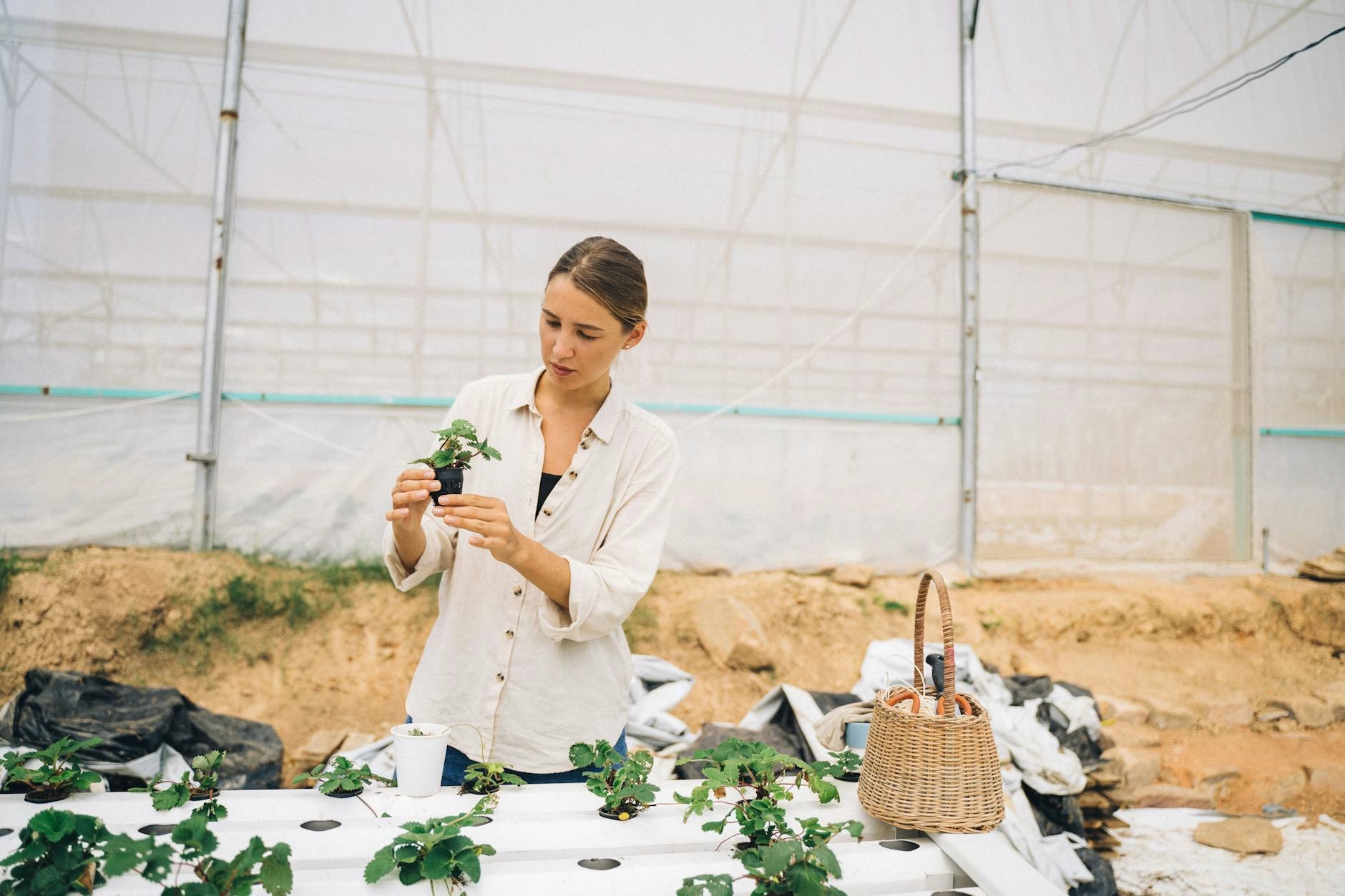
Hydroponic Problems and Solutions: How to Troubleshoot and Fix Common Issues Indoors
Why Solving Hydroponic Problems Early Matters
Indoor hydroponic systems give complete control over plant nutrition, light, and growth—but when things go wrong, the balance can collapse fast. Whether your basil turns yellow, your lettuce wilts, or your nutrient water smells off, solving hydroponic problems early prevents major crop loss.
At SoilFree Harvest, we’ve tested and documented beginner‑friendly hydroponic solutions that restore healthy growth without expensive tools or guesswork. This guide explains common problems, signs of trouble, and proven fixes that keep your plants thriving indoors year‑round.
Affiliate Disclosure: This article contains affiliate links. If you purchase through these links, soilfreeharvest.com may earn a small commission at no extra cost to you.
If you’re setting up your first grow system, check out our guide on What is Hydroponic Gardening: A Beginner’s Guide.
Identifying Common Hydroponic Problems
Hydroponic gardening removes soil but not complexity. Problems usually stem from four core areas: water quality, nutrient mix, environment, or system sanitation. Recognizing these early helps pinpoint the solution before plants show severe stress.
- Visual stress signs: yellowing leaves, curling tips, stunted growth, or slimy roots
- Growth rate drops: slower yield cycles indicate pH or EC imbalance
- Smell changes: a sour or moldy odor in the tank signals oxygen issues or organic buildup
Testing your system regularly saves time and money. The Bluelab Combo Meter kit simplifies pH and EC tracking for beginners.
Root Rot – Causes and Effective Solutions
Root rot is one of the most frequent hydroponic problems. It occurs when oxygen levels in the nutrient solution drop, allowing harmful pathogens like Pythium to attack plant roots.
Causes:
- Poor aeration or stagnant water
- Warm nutrient temperature above 75°F
- Overcrowded plant spacing
- Filmy organic buildup
Solutions:
- Maintain water temperature between 65–70°F using a [hydroponic water chiller](affiliate link placeholder).
- Increase dissolved oxygen with an air stone or air pump rated for your tank size.
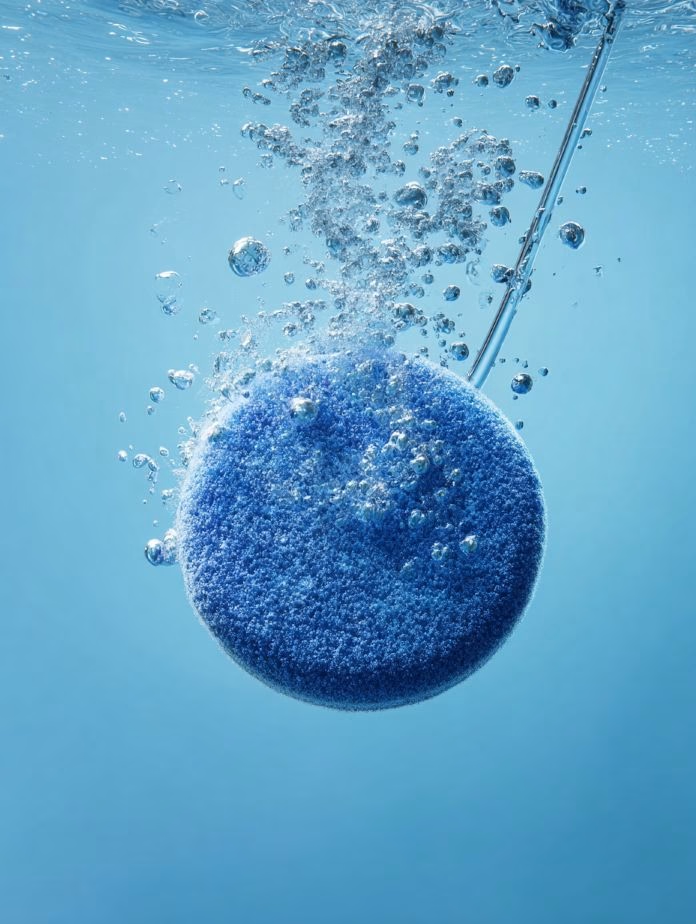
- Flush and disinfect the reservoir with a diluted hydrogen peroxide or food‑grade cleanser before refilling.
- Replant healthy cuttings from surviving stems into sterilized net pots.
For detailed information, review our guide on How to Prevent Root Rot in Hydroponic Systems.
pH Imbalance in Nutrient Solutions
pH fluctuations disrupt nutrient absorption, leading to deficiency symptoms even when nutrients are present. The ideal pH range for most hydroponics is 5.5–6.5.
Symptoms of pH Problems:
- Yellow leaves even with proper fertilization
- Nutrient deposits or scaling on roots
- Burnt tips (acidic) or purplish hues (alkaline)
Solutions:
- Test daily with a digital pH meter; recalibrate monthly.
- Use pH Up or pH Down adjusters made for hydroponic systems—not pool chemicals.
- Replace reservoir water every 10–14 days to prevent drift.
The Bloom City Professional pH Up + Down Control Kit is a reliable and affordable choice for accurate adjustments.
Nutrient Deficiencies and Toxicities
Even the best nutrient brand can become unbalanced if ratios or EC (electrical conductivity) levels drift.
Common Deficiencies and Fixes:
| Nutrient | Deficiency Sign | Solution |
|---|---|---|
| Nitrogen | Pale yellow leaves | Increase base nutrient concentration |
| Calcium | Leaf curling and spots | Add a Cal-Mag supplement (affiliate link placeholder) |
| Magnesium | Interveinal chlorosis | Use Epsom salt (¼ tsp per gallon) |
| Iron | New leaves yellow first | Lower pH slightly to aid absorption |
Toxicity Warning:
Excess nutrients accumulate salts, raising EC beyond safe levels. Flush the system with clean water and restart with a balanced solution reading of 1.2–2.0 EC depending on plant type.
Algae and Slime Growth in the Reservoir
Algae thrive where light meets nutrient water. Though harmless at first, it competes for oxygen and can clog tubing.
Causes:
- Transparent tanks or tubing exposed to light
- Overuse of organic nutrients
- Infrequent cleaning cycles
Solutions:
- Cover light leaks with opaque materials or a reflective barrier.
- Use hydroponic nutrients with minimal organic residue.
- Clean reservoirs with hydrogen peroxide between crops.
Temperature and Oxygen Balance
Two invisible variables make or break hydroponic yield: temperature and dissolved oxygen.
Key Ranges:
- Nutrient water: 65–70°F
- Grow room air: 70–80°F daytime, 60–70°F nighttime
- Dissolved oxygen: above 6 ppm
Fixes:
- Use an aquarium chiller or place the reservoir on a cool surface.
- Increase oxygenation with air pumps and fine air stones.
- Maintain consistency; avoid daily temperature swings greater than 5°F.
Budget growers love the VIVOSUN Air Pump with 6 outlets for constant aeration in small setups.
Hydroponic Pest and Pathogen Control
Even without soil, pests like fungus gnats, spider mites, and thrips can infiltrate via air or water sources.
Preventive Practices:
- Install fine mesh intake filters on air vents.
- Use sticky traps at plant level to monitor populations.
- Apply neem or insecticidal soap biweekly.
Try the Captain Jack’s NeemMax as an eco-safe control method for hydroponics.
System Maintenance and Sanitation Schedule
Effective maintenance prevents most hydroponic problems from ever appearing. A simple weekly routine safeguards water clarity and nutrient balance.
Weekly Tasks:
- Check pH and EC daily
- Replace nutrient solution every 10–14 days
- Wipe algae from lids and tubing
- Inspect root color and smell for disease signs
- Sanitize equipment between crops
Combine this with maintenance and cleaning best practices in our DIY Hydroponic System Maintenance Guide.
Preventive Design Upgrades
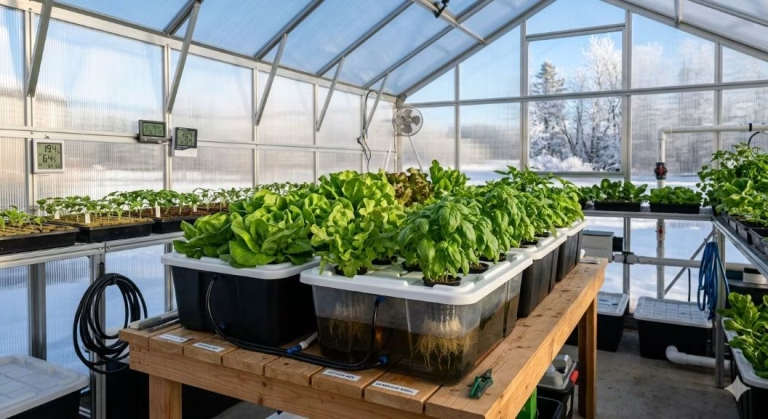
System design choices can reduce hydroponic problems before they start. Consider integrating these preventive features:
- Light-blocking reservoirs: Reduce algae growth dramatically.
- Modular NFT or DWC layouts: Make cleaning easier.
- Smart sensors: Automate pH, EC, and temperature monitoring.
Affiliate prompt: Growers seeking automation options should explore the [Smart Hydro Controller Kit](affiliate link placeholder) with built-in data logging and EC updates.
New to system design? Read our complete DWC vs Kratky comparison.
The Science Behind Healthy Hydroponic Growth
Healthy plants depend on balancing the physical, chemical, and biological conditions within the root zone. The triad of oxygen, nutrients, and light determines system performance more than specific brand formulas.
Maintaining a disciplined schedule builds resilience across crop cycles, reducing the need for emergency corrections.
Conclusion: A Clear Plan for Problem‑Free Hydroponics
Hydroponic problems can seem complex, but nearly every issue follows a consistent logic—detect, diagnose, and restore. With proper monitoring tools, pH stability, and steady aeration, your indoor garden can flourish without setbacks.
Remember that prevention is the most cost‑effective solution. Keep up weekly maintenance, track data, and act fast at the first signs of imbalance.
For growers seeking reliable starter kits, we recommend exploring the Ahopegarden Hydroponics Growing System Kit Indoor Garden with Grow Light 12 Pods, ideal for maintained small‑scale indoor systems.
FAQs
FAQ 1: What are the most common hydroponic problems?
Answer: Root rot, pH imbalance, nutrient deficiencies, algae, and temperature fluctuations are the top issues.
FAQ 2: How do you prevent root rot in hydroponics?
Answer: Keep temperatures below 70°F, use air stones to increase oxygen, and clean the reservoir regularly.
FAQ 3: Why do hydroponic leaves turn yellow?
Answer: Chlorosis results from nutrient deficiencies, poor pH, or oxygen starvation in the root zone.
FAQ 4: How often should I clean my hydroponic system?
Answer: Every 10–14 days during growing and between each crop cycle.
FAQ 5: Can hydroponic nutrients expire?
Answer: Yes. Over time, dissolved salts crystallize and reduce nutrient availability. Replace bottles after 1–2 years.
Share this:

Discover more from Soil Free Harvest
Subscribe to get the latest posts sent to your email.








6 Comments