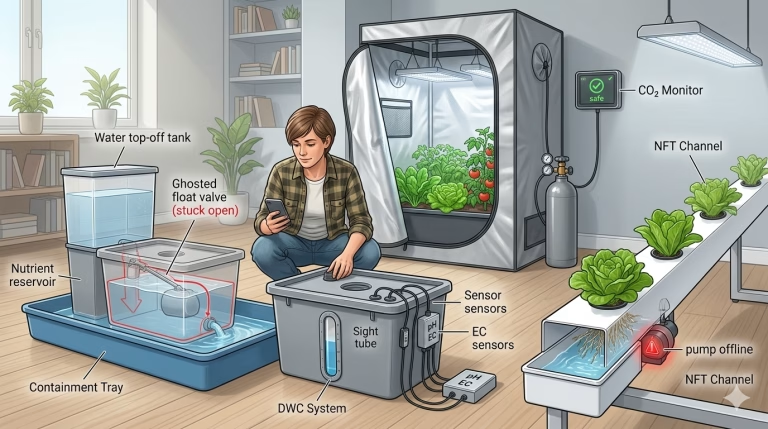
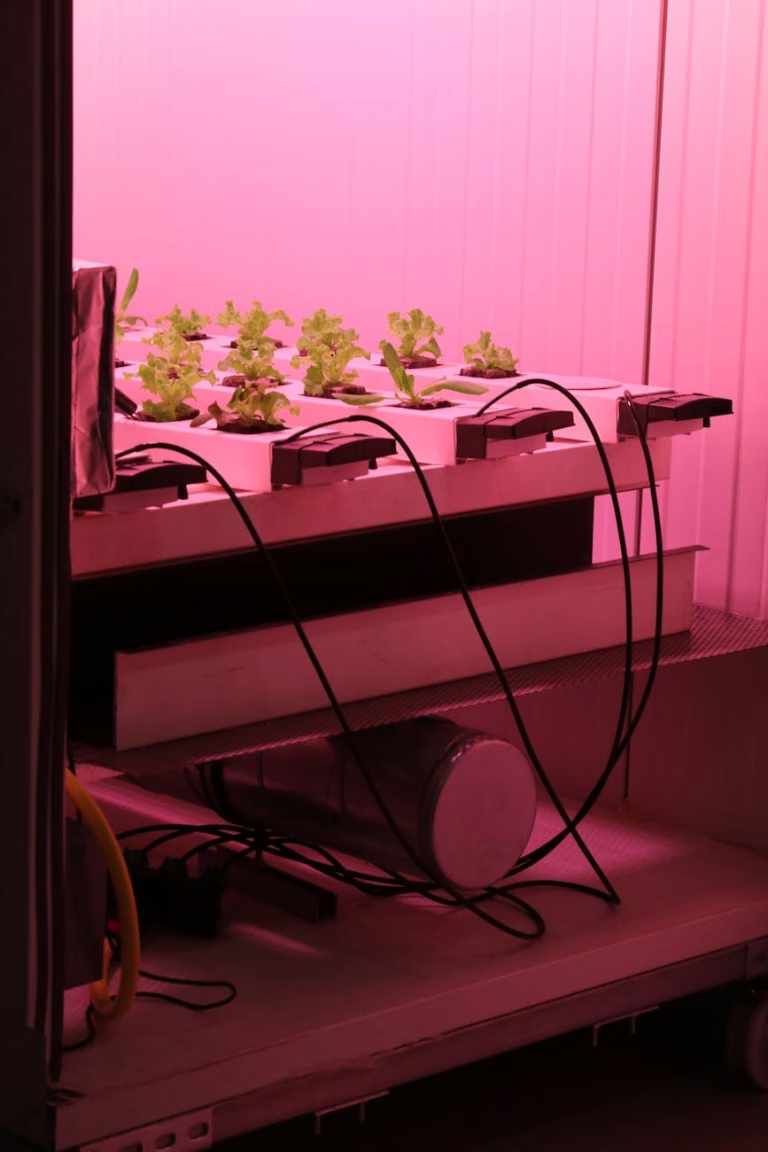
DWC and vertical hydroponic setup in a dining room

Comparing Hydroponic System Types for Home Growers

Hydroponic systems come in several core types that all grow plants without soil but differ in how they deliver water, oxygen, and nutrients to roots. For home growers, the best system is the one that matches available space, budget, and how hands-on you want to be. In practice, simple systems like Kratky, DWC, and small NFT or tower units cover 90% of home and apartment use cases.

TL;DR: Use Kratky or simple DWC for low-cost beginners, NFT or ebb and flow when you want to scale up leafy greens, and drip/Dutch buckets for bigger fruiting plants like tomatoes and peppers. Aeroponics and high-end vertical towers shine for advanced growers who prioritize maximum yield and efficiency over simplicity.


What are the main types of hydroponic systems?

Most home and hobby growers encounter six main hydroponic system types, plus a few hybrid variations.

  • Deep Water Culture (DWC)
  • Kratky (passive DWC)
  • Nutrient Film Technique (NFT)
  • Ebb and flow (flood and drain)
  • Drip systems and Dutch buckets
  • Aeroponics
  • Vertical and hybrid systems (stacked shelves, towers, combo rigs)

These systems differ in complexity, oxygen delivery, and how often they move nutrient solution past the roots, which directly affects maintenance needs, failure risk, and what crops they are best suited for.​


How do DWC and Kratky hydroponics compare?

DWC and Kratky are often the first stop for indoor growers because they use simple containers and readily available parts.

What is DWC hydroponics?

Deep Water Culture suspends plant roots in a constantly aerated nutrient solution, usually in buckets, totes, or reservoirs with air stones bubbling at the bottom.​

Key characteristics:

  • Roots are submerged 24/7 in oxygenated water.
  • Air pump and air stones are mandatory.
  • Best for compact systems like 5-gallon buckets or small reservoirs.

Best use cases:

  • Leafy greens: lettuce, spinach, kale.
  • Herbs: basil, cilantro, mint.
  • Some compact fruiting plants when given support: peppers, dwarf tomatoes.​

DWC bucket build guide → Build a 5 Gallon Bucket DWC System for Under $30

What is Kratky hydroponics?

Kratky is essentially passive DWC, where plants sit above a stagnant nutrient solution with no pumps or electricity.​

Key characteristics:

  • Fixed reservoir filled once per growth cycle or topped off occasionally.
  • Plants start with roots touching solution; an air gap grows as water level drops.
  • Zero moving parts and no aeration equipment.

Best use cases:

  • Fast-growing crops: lettuce, bok choy, baby kale, microgreens.
  • Simple indoor setups with jars, bins, or storage totes.
  • Low-maintenance survival or backup gardens.

Kratky method for beginners → Build your own Kratky system

DWC vs Kratky: which is better?

FeatureDWCKratky
Electricity requiredYes, air pumpNo
Oxygen to rootsHigh, consistentModerate, depends on air gap
Best crop typesGreens, herbs, some fruiting plantsFast greens, herbs
Setup difficultyBeginner friendly, slightly technicalVery beginner friendly
Failure mode riskPump failure can kill plants quicklyNutrient miscalculation, root rot
Ideal grower profileTinkerer, daily check-insBusy grower, low-intervention

In hot, dry climates like Phoenix, DWC’s constant aeration helps buffer against warm nutrient temperatures, while Kratky reservoirs heat up faster and may need insulation or shading.​


What is NFT hydroponics and who is it for?

Nutrient Film Technique circulates a shallow, continuously flowing stream of nutrient solution through slightly sloped channels or pipes, with plant roots forming a mat inside the channel.​

How does NFT work?

  • A pump pushes nutrient solution from a reservoir to the high end of channels.
  • Solution flows along the bottom as a thin film, wetting roots.
  • Gravity returns the solution to the reservoir for recirculation.

Core components:

  • Reservoir with pump
  • PVC channels or commercial NFT trays
  • Return plumbing and basic filtration
  • Net pots with inert media (clay pebbles, rockwool, foam inserts)

Hydroponic growing media guide → Hydroponics Growing Mediums: The Complete Guide to Types, Selection, and Management

What are the pros and cons of NFT?

Pros:

  • Highly efficient water and nutrient use.
  • Excellent for high-density leafy greens and herbs.
  • Easy to scale horizontally or vertically with additional channels.

Cons:

  • Pump failure can stress plants within hours.
  • Roots can clog channels if spacing is too tight.
  • Less forgiving for beginners than DWC or Kratky.

Best suited for:

  • Lettuce, basil, arugula, baby greens, and strawberries.
  • Intermediate growers ready for monitoring pumps and flow.
  • Long narrow spaces like along a wall or under shelves.​

Best LED grow lights for indoor hydroponics → Top 7 LED Grow Lights


How does ebb and flow (flood and drain) compare to other systems?

Ebb and flow systems periodically flood a tray or bed of plants with nutrient solution and then drain it back into a reservoir.

How does ebb and flow work?

  • Plants sit in a tray filled with inert media such as clay pebbles or expanded shale.
  • A timer activates a pump, flooding the tray to a set height.
  • When the pump stops, gravity drains the solution back through an overflow/drain fitting.

This cycle repeats several times per day, delivering both moisture and oxygen as media drains.​

What are the advantages and disadvantages?

Pros:

  • Very versatile, supports a wide range of plants and root sizes.
  • Media provides physical support and some buffering against mistakes.
  • Flood cycles oxygenate roots naturally as solution drains.

Cons:

  • Requires a reliable timer and flood/drain fittings.
  • Media can harbor algae or pathogens if not maintained.
  • Heavy once full of media and water; less portable.

Best for:

  • Mixed gardens of herbs, leafy greens, and compact fruiting plants.
  • Growers who like a “bed” feel similar to raised soil gardening.
  • Educational and family setups where roots are protected in media.​

Hydroponic maintenance checklist → DIY System Maintenance Guide


What are drip and Dutch bucket hydroponic systems?

Drip systems deliver nutrient solution directly to the base of each plant, usually through small emitters or open drippers.

How do drip systems work?

  • A reservoir and pump send nutrient solution through main lines and smaller feeder tubes.
  • Each plant receives controlled drips at the crown or into its media.
  • Excess solution drains back to the reservoir (recirculating) or to waste (run-to-waste).

Dutch bucket systems are a popular drip variation using individual buckets filled with coarse media like perlite, often linked to a shared drain line.​

Why choose drip or Dutch buckets?

Pros:

  • Excellent for large, heavy, fruiting crops like tomatoes, peppers, cucumbers, and eggplants.
  • Each plant effectively gets its own mini environment.
  • Easy to add or remove buckets without rebuilding the entire system.

Cons:

  • More parts: tubing, emitters, drippers that can clog.
  • Requires regular cleaning and occasional emitter replacement.
  • Slightly higher learning curve for flow balancing and drainage.

Best suited for:

  • Indoor or patio growers focused on vine crops and large fruiting plants.
  • Intermediate or advanced growers comfortable with plumbing and periodic tuning.
  • Systems where supporting heavy plants is a priority.​

Trellising and plant support in hydroponics → The Ultimate Guide to Trellising and Supporting Plants in Hydroponics


What is aeroponics and when does it make sense?

Aeroponics suspends roots in air and periodically mists them with nutrient solution.

How does aeroponics work?

  • Plants sit in collars or net pots above a sealed chamber.
  • Inside, high-pressure or low-pressure sprayers deliver fine droplets directly to roots.
  • Nutrient solution drains back to a reservoir and is recirculated.

This method is extremely efficient at delivering oxygen and nutrients, often leading to fast vegetative growth and high yields.​

Is aeroponics practical for home growers?

Pros:

  • Very high oxygen levels at the root zone.
  • Potentially faster growth and higher yields, especially for leafy greens and cuttings.
  • Uses less water and solution than most recirculating systems.

Cons:

  • Very sensitive to pump or nozzle failures; roots can dry quickly.
  • Nozzles can clog, requiring filtration and maintenance.
  • Higher cost and complexity than basic DWC, Kratky, or NFT.

Best suited for:

  • Advanced hobbyists and experimenters.
  • Propagation of clones, leafy greens, and high-value specialty herbs.
  • Indoor environments where close monitoring is practical.​

Dissolved oxygen in hydroponics explained → The Role of Aeration and Oxygen in Successful Hydroponic Systems


How do vertical and hybrid hydroponic systems compare?

Vertical systems stack plants vertically to increase production per square foot, often combining elements of NFT, drip, or aeroponics.​

What kinds of vertical systems exist?

Common designs:

  • Vertical towers with cups or slots, fed by a central riser and drip outlets.
  • Stacked NFT channels on shelves.
  • Hybrid towers using a mix of drip and film flow.

These systems are especially attractive for apartment and small-space growers who want maximum yield from a small footprint.​

Pros and cons of vertical systems

Pros:

  • Great space efficiency in small apartments and balconies.
  • Visually striking “living wall” or tower gardens.
  • Efficient for greens, herbs, and strawberries.

Cons:

  • Uneven distribution can occur between top and bottom plants.
  • Pump reliability is critical since many plants share the same flow.
  • Height can make maintenance on upper tiers slightly harder.

Best suited for:

  • Apartment growers with limited floor space.
  • Mixed greens and herb gardens for continuous harvest.
  • Growers already comfortable with basic hydroponic system care.

Rise Gardens vs Lettuce Grow system comparison


Which hydroponic system type is best for different growers?

Choosing “the best” system is really about matching the design to goals, space, and risk tolerance.

How to choose by experience level

  • True beginners
    • Kratky jars and totes
    • Simple single-bucket DWC kits
    • Multi-pod DWC kits like Aerogarden systems
  • Beginner to intermediate
    • Small NFT rails for lettuce
    • Compact vertical gardens
    • Simple ebb and flow trays
  • Intermediate to advanced
    • Dutch buckets for tomatoes/peppers
    • Larger NFT arrays
    • Aeroponic cloners or towers

From multiple runs in hot, dry climates, systems that actively oxygenate the solution (DWC, NFT, drip, aeroponics) handle summer heat better than stagnant designs, provided nutrient temperatures are managed.​

How to choose by plant type

Plant typeBest system types
Leafy greensKratky, DWC, NFT, vertical towers
Soft herbsKratky, DWC, NFT
Woody herbsDWC, ebb and flow, drip
Tomatoes, peppersDrip, Dutch buckets, ebb and flow
Cucumbers, viningDrip, Dutch buckets, sturdy DWC with support
StrawberriesNFT, vertical towers, some aeroponics
Root cropsMedia-heavy ebb and flow, deep media beds

Best hydroponic crops by difficulty → What Can You Grow in Hydroponics? 25+ Crops for Beginners to Advanced Growers


What equipment do the main systems require?

While each system has unique parts, there is a common baseline of hydroponic gear.

Common equipment across systems

  • Reservoir or container (tote, bucket, tank)
  • Net pots and growing media
  • Nutrient solution and pH adjusters
  • Basic pH and EC meter
  • Grow lights if indoors, especially in winter

Hydroponic starter supply checklist → DIY Hydroponic Supplies Section

System-specific equipment highlights

  • DWC
    • Air pump, air stones, airline tubing
    • Light-proof bucket or tote
  • Kratky
    • Light-proof containers, net cups, lids or covers
    • No electrical equipment required
  • NFT
    • Channels or pipes, pump, plumbing fittings, return line
    • Filter to reduce clogging from debris or roots
  • Ebb and flow
    • Flood tray, stand, reservoir, pump, timer
    • Flood and drain fittings, media like clay pebbles
  • Drip / Dutch buckets
    • Buckets or pots with media, drippers, tubing, pump
    • Drain lines back to reservoir
  • Aeroponics
    • Sealed chamber, misting nozzles, high or low pressure pump
    • Filtration and reliable power

Hydroponic nutrient and pH management guide → pH Drift 101: Why Your Plants Are Starving (Even With Perfect Nutrients)


How do maintenance and troubleshooting differ by system?

Maintenance frequency and failure modes change significantly between passive and active systems.

Which systems are easiest to maintain?

Easiest:

  • Kratky: mostly “fill and monitor” until harvest, with occasional top ups.
  • Simple DWC: weekly nutrient checks and water changes.

Moderate:

  • NFT and ebb and flow: require pump checks, line cleaning, and timer verification.
  • Drip: require periodic emitter inspection and line flushing.

Most demanding:

  • Aeroponics: nozzle cleaning, filtration, and backup power planning.

In practice, most troubleshooting comes down to monitoring water temperature, EC, pH, and looking for early signs of root rot, algae, or flow problems.​

Common troubleshooting patterns

  • Yellowing leaves
    • Check nutrients, EC, and pH for lockout or deficiencies.
  • Wilting despite wet media
    • Investigate root health, dissolved oxygen, or pathogen issues.
  • Slow growth in otherwise healthy plants
    • Improve light intensity or photoperiod, increase dissolved oxygen, or adjust EC within the crop’s preferred range.​

Root rot prevention in hydroponics → How to Prevent Root Rot in Hydroponic Systems
Hydroponic troubleshooting guide → Hydroponic Problems and Solutions: How to Troubleshoot and Fix Common Issues Indoors


How-to: Choose and set up your first hydroponic system

This step-by-step guide focuses on selecting and building a simple starter system that can grow into a more advanced setup later.

Materials and tools

  • Measuring tape for your space
  • Notebook or app for planning and tracking
  • Chosen system container (bucket, tote, tray, or tower)
  • Net pots and growing media
  • Hydroponic nutrients
  • pH test kit or pH meter and pH up/down
  • Air pump and stones or water pump (if needed)
  • LED grow light (for indoor growing)

Best Budget Hydroponic Kits Under $150: Affordable Garden Systems Compared

Step 1: Define your space and goals

Decide where the system will live: kitchen counter, spare room, balcony, or garage. Measure available dimensions and note power outlets, light exposure, and how much noise you can tolerate from pumps or fans.

Step 2: Choose the system type that matches your lifestyle

If you want minimal moving parts, pick Kratky or a basic DWC bucket. If you plan a larger salad garden, consider NFT or an ebb and flow tray; if you want tomatoes and peppers, lean toward drip or Dutch buckets.

Step 3: Select crops suited to your chosen system

Match crop type to system strengths: greens and herbs for Kratky, DWC, and NFT; larger fruiting crops for drip or Dutch buckets. This avoids forcing a system to do something it is not optimized for, which reduces frustration and failure rates.

Step 4: Gather system components and layout your build

Collect your container, plumbing pieces, media, and pumps, then dry-fit everything before cutting holes or gluing fittings. Plan how water will move from reservoir to plants and back, and ensure maintenance access to pumps, air stones, and channels.

Step 5: Mix nutrients and test pH and EC

Fill the reservoir with water, add nutrients according to label instructions, and adjust pH into the typical 5.5 to 6.5 range for most leafy greens and herbs. Measure EC to ensure you are within crop-appropriate ranges and record your starting numbers for future reference.​

Step 6: Start plants and transplant at the right stage

You can start seeds in rockwool cubes, foam inserts, or starter plugs, then move them into the system once roots are visible and at least 1 to 2 inches long. In DWC or NFT, ensure roots can reach the nutrient film or mist; in media systems, seat plugs firmly and backfill with media.

Step 7: Establish a monitoring and maintenance routine

Create a simple weekly checklist to test pH, EC, and water level, inspect roots, and wipe down any algae-prone surfaces. In personal setups, a 5 to 10 minute daily walk-through catches problems early and dramatically extends system lifespan.​

Step 8: Optimize lighting, airflow, and temperature

Position LED lights at manufacturer-recommended distances and adjust photoperiods based on plant type, typically 14 to 16 hours for leafy greens and 12 to 16 hours for many herbs. Use fans to circulate air and aim to keep nutrient solution temperatures in the mid 60s to low 70s Fahrenheit to balance oxygen and root health.​


FAQ: Comparing hydroponic system types

Which hydroponic system is best for beginners?

Kratky and simple DWC bucket systems are usually best for beginners because they have few parts and forgiving learning curves. You can get started with basic tools and inexpensive containers while still producing reliable greens and herbs.

What hydroponic system is most cost effective?

DWC and Kratky are the most cost effective for home growers, especially when using repurposed buckets or totes and budget air pumps. They balance low startup cost with high productivity, making them ideal for first systems or backup survival gardens.

Which system grows plants the fastest?

Aeroponics and highly optimized DWC systems often produce the fastest vegetative growth thanks to high oxygen availability and precise nutrient delivery. NFT can also be very fast for leafy greens when properly tuned and supported by adequate lighting.

Are vertical hydroponic towers worth it?

Vertical towers are worth it if your main constraint is floor space rather than budget or complexity. They let you grow a surprising amount of lettuce, herbs, and strawberries in a small footprint, but require reliable pumps and attentive maintenance to avoid uneven growth.

What is the easiest hydroponic system to maintain?

Kratky is the easiest to maintain because there are no pumps or air stones to fail or clean. DWC comes next, especially in single or few-bucket setups, since routine mostly involves checking water levels, pH, EC, and replacing nutrient solution on a schedule.

Which system is best for tomatoes and peppers?

Drip systems and Dutch buckets are generally best for tomatoes and peppers because they support large root volumes and heavy plants. Ebb and flow can also work if beds are deep and sturdy, but drip gives more direct control over watering and nutrient delivery.

How risky is pump failure in active systems?

In systems like NFT, aeroponics, and some drip designs, pump failure can stress or kill plants within hours because roots dry out quickly. DWC is slightly more forgiving because roots remain submerged, but air pump failures still reduce dissolved oxygen and can lead to root disease if not addressed.

Can I mix different system types in one grow room?

Yes, many growers combine system types, such as running DWC buckets for greens alongside Dutch buckets for fruiting plants in the same space. The key is to design each system so it is easy to monitor and maintain independently, while sharing lighting and environmental control where possible.

How long before I see results with a new system?

With healthy seedlings and appropriate light, most leafy greens show noticeable growth within 7 to 10 days of going into a new system. Full harvestable heads or bunches typically take 4 to 6 weeks, while fruiting crops require several months from seed to regular harvests.


Author note

This article is written from the perspective of a hydroponics-focused grower in Phoenix, Arizona, working with indoor and small-space systems in a hot, arid climate. Experience includes multiple seasons of running DWC buckets, Kratky reservoirs, NFT rails, and Dutch buckets in apartments and home grow rooms. The primary focus is practical, resilient systems that can be maintained by busy home growers without commercial infrastructure. The goal is to translate real-world trial and error into clear, step-by-step guidance that helps you grow more food with fewer headaches.


Discover more from Soil Free Harvest

Subscribe to get the latest posts sent to your email.

author avatar
Dee
Dee Valentin is a cybersecurity professional turned author and creator, formerly based in Arizona and now living in Central Michigan. With a background in information security and technology innovation, Dee writes approachable guides that help readers use AI and automation to make work and life more efficient. Outside the digital world, Dee is an avid gardener with a special focus on hydroponics and sustainable growing systems. Whether experimenting with new plant setups or sharing tips for soil‑free harvests, Dee blends technology and nature to inspire others to live more creatively and sustainably.

Similar Posts