Hydroponic Pest Control: Effective Natural Solutions & Expert Dos and Don’ts (2025)
Discover comprehensive strategies for hydroponic pest control to protect your indoor garden from aphids, spider mites, whiteflies, and more. Learn the essential dos and don’ts for effective pest management, explore natural remedies including beneficial insects and neem oil, and avoid common mistakes that compromise plant health. Enhance your hydroponic gardening success with expert advice and recommended pest control products. Perfect for both beginners and experienced growers aiming for a thriving, pest-free hydroponic system.
Introduction: Protect Your Hydroponic Investment Today
Are pesky pests threatening your hydroponic garden and killing your yields? Don’t let bugs ruin your hard work—master the dos and avoid the don’ts of hydroponic pest control to protect your plants and maximize your harvest. This comprehensive 2025 guide walks you through identifying common hydroponic pests, proven pest management techniques grounded in academic research, and eco-friendly remedies that actually work. Whether you’re growing lettuce, tomatoes, or specialty crops, you’ll discover proven strategies used by commercial growers and hobbyists alike.
Understanding Common Hydroponic Pests: What You’re Up Against
Hydroponic systems create a unique growing environment where pests can thrive rapidly due to consistent warmth, humidity, and nutrient-rich conditions. Understanding the enemy is your first line of defense. Let’s explore the most common culprits that infiltrate hydroponic setups:
The Usual Suspects
Spider Mites are among the most destructive hydroponic pests. These tiny arachnids (not true insects) feed on plant sap by piercing leaf cells, causing stippled, yellowed foliage and fine webbing on leaves and stems. A single female spider mite can produce hundreds of offspring in just 2-3 weeks under warm conditions, making infestations escalate quickly. Research has shown that spider mites reproduce more rapidly in hydroponic systems compared to soil-based gardens due to optimal temperature control.
Aphids are soft-bodied insects that cluster on new growth and undersides of leaves. They reproduce asexually in favorable conditions, meaning a single aphid can start a massive infestation within days. Beyond direct plant damage from sap feeding, aphids transmit viruses and secrete honeydew, which promotes sooty mold development.
Whiteflies are tiny, moth-like insects that cause yellowing leaves and stunted growth. Their nymphs are particularly problematic in hydroponic systems because they feed on the plant throughout their lifecycle and are resistant to many treatments if not caught early.
Thrips and Fungus Gnats round out the common hydroponic pest lineup. Thrips cause silvery streaking on leaves and can transmit plant viruses, while fungus gnats breed in moist growing media and damage root systems.
The Science Behind Integrated Pest Management (IPM) in Hydroponics
Recent research has revolutionized how we approach pest control in hydroponic systems. According to academic studies, Integrated Pest Management (IPM) strategies are far more effective in hydroponics than in traditional agriculture because the controlled environment allows for precise monitoring and intervention.
IPM is a holistic, science-based approach that combines multiple pest control methods to minimize the use of chemical pesticides while maintaining effective control. In hydroponic systems, IPM typically includes:
- Regular monitoring and scouting to detect pest populations early
- Sanitation practices to prevent pest establishment
- Biological controls using natural predators and parasitoids
- Cultural practices like crop rotation and plant spacing
- Chemical controls as a last resort using organic, approved options
Research from the University of Connecticut’s IPM program demonstrates that hydroponic growers who implement comprehensive IPM strategies reduce chemical applications by 70-90% compared to reactive pest management approaches. This means healthier plants, safer produce, and significantly lower input costs—it’s a win across the board!
Dos: Science-Backed Best Practices for Hydroponic Pest Control
Do: Monitor Your Plants Religiously
The foundation of effective pest control is early detection. Make it a habit to inspect your plants at least 2-3 times per week, paying special attention to leaf undersides where pests prefer to hide. Use a handheld magnifier to spot tiny spider mites, aphids, or fungus gnat larvae before populations explode.
Research shows that detecting pests within the first 1-2 weeks of infestation allows for 90%+ control success rates using minimal interventions.
Do: Maintain Pristine System Cleanliness
A clean hydroponic environment is your strongest defense. Remove dead plant matter, fallen leaves, and debris regularly, as these create breeding grounds for pests and fungal diseases. Keep your reservoir and growing channels free of standing water and algae, which attract fungus gnats and provide hiding spots for other pests.
A study on hydroponic pest management published by the NIH demonstrated that systems with rigorous sanitation protocols experienced 60% fewer pest outbreaks compared to systems with lax cleaning practices.
For detailed hydroponic system maintenance tips, check out our Hydroponic System Maintenance Guide.
Do: Implement Physical Barriers
Mesh screens, sticky traps, and row covers are your first line of defense—and they work! Yellow sticky traps are particularly effective at monitoring whitefly and fungus gnat populations while simultaneously removing flying insects.
- Mesh screens (40-50 micron) prevent small insects from entering your grow space
- Floating row covers protect seedlings from early infestations
- Fine netting around intake vents keeps flying pests out
Do: Diversify Your Plantings
Monoculture—growing a single crop repeatedly—creates feast-or-famine conditions for specific pests. Rotating your crops and introducing plant diversity disrupts pest life cycles and prevents population explosions of specialist feeders.
Research on insectary plant systems in hydroponic greenhouses found that introducing companion plantings increased beneficial insect populations by up to 300% while reducing target pest damage by 40-60%.
Do: Introduce Beneficial Insects (Biocontrol Agents)
One of the most exciting developments in sustainable hydroponic pest management is the strategic use of beneficial insects. These natural predators and parasitoids can provide outstanding pest control without any environmental impact. While you may not want these flying around your house, they are great for greenhouses and grow rooms.
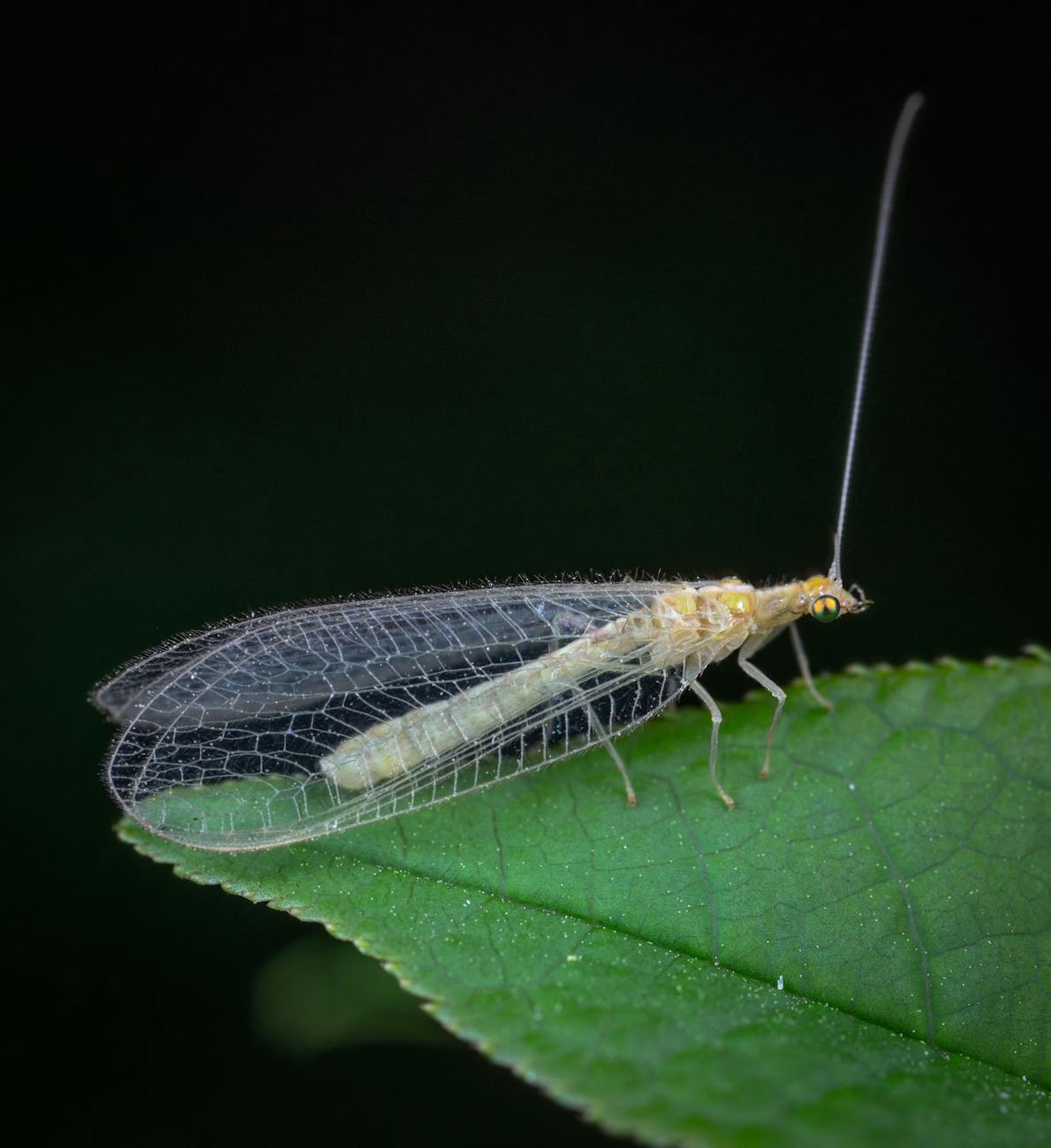
Green Lacewings are considered the MVP of hydroponic biocontrol. Research shows that lacewing larvae consume 200+ aphids in their 2-3 week larval stage. They’re also highly effective against whiteflies, scale insects, and thrips. Release rates of 1,000 lacewing eggs per 500 square feet have shown 70-85% pest suppression in commercial hydroponic operations. Unlike ladybugs (which often fly away), lacewings establish populations and reproduce in your system.
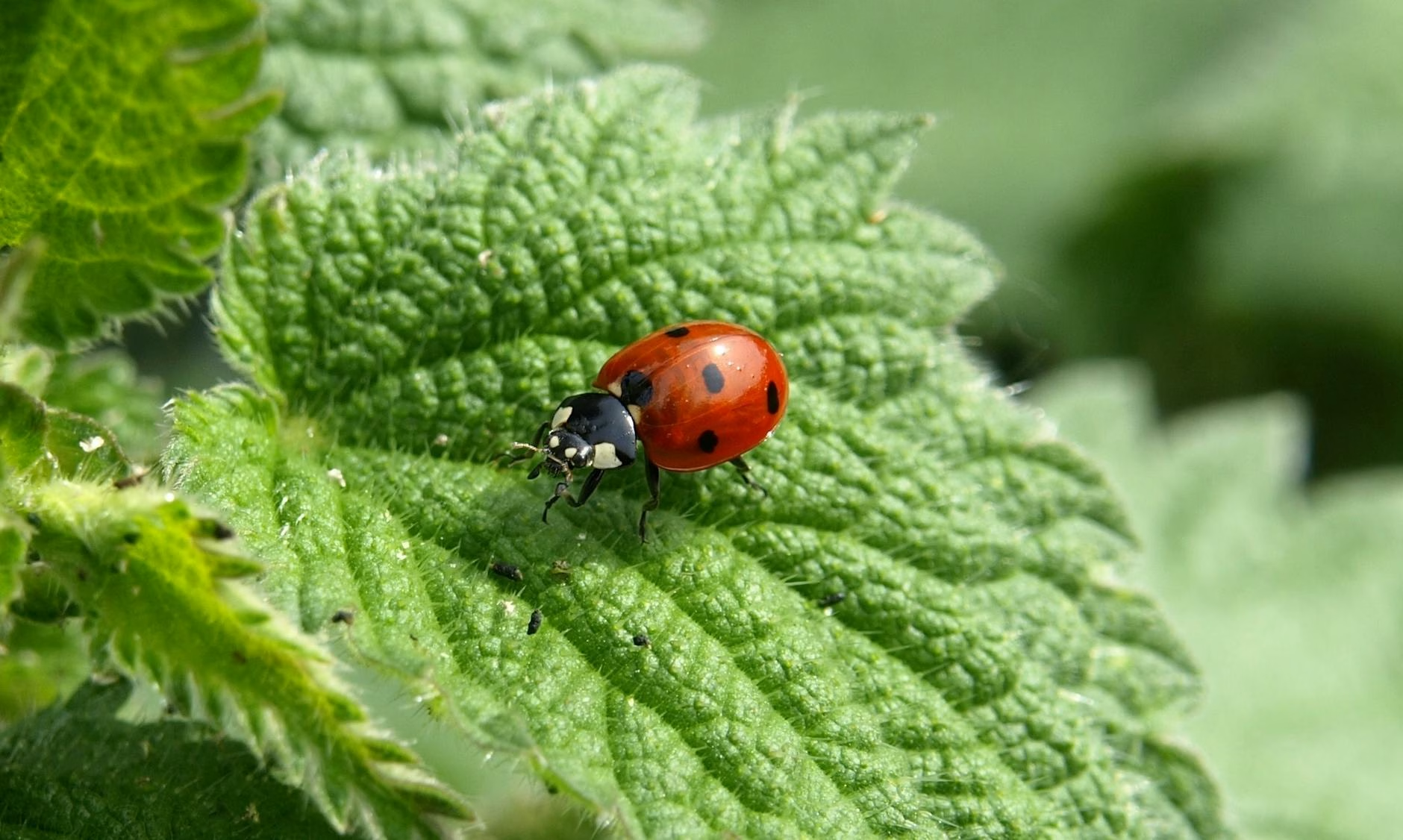
Ladybugs (Coccinellidae family) are excellent for aphid control in greenhouses. A single ladybug can consume 50-60 aphids daily, and studies show they’re particularly effective in warm, humid hydroponic environments. The Rodale Institute documented a 90% reduction in aphid populations within 2-3 weeks of ladybug release.
Predatory Mites (Phytoseiulus and Amblyseius species) are specialists in controlling spider mites. These microscopic mites outcompete pest mites for food and space, providing long-term population suppression.
Parasitoid Wasps (Encarsia and Eretmocerus species) parasitize whitefly and scale insects. These tiny wasps lay eggs in pest insects, creating a self-sustaining control system.
Don’ts: Common Mistakes That Compromise Your Garden
Don’t: Use Broad-Spectrum Chemical Pesticides
Chemical pesticides are the enemy of sustainable hydroponic growing for several critical reasons:
- They kill beneficial insects, eliminating your natural pest control army
- They contaminate your water system, potentially affecting your plants and making produce unsafe
- They create pesticide resistance, making future infestations harder to control
- They pose health risks to you and your family
Research published in Environmental Health Perspectives demonstrates that chemical pesticide residues persist in hydroponic water systems for extended periods, potentially damaging plant roots and beneficial microorganisms.
Don’t: Ignore Early Pest Signs
This is the #1 mistake hydroponic growers make. Catching a problem when there are 10 pests is infinitely easier than when there are 10,000. A small cluster of aphids today becomes a full-blown infestation in 7-10 days.
Once you spot pests, act within 24-48 hours using biological controls or organic sprays before populations spiral out of control.
Don’t: Overcrowd Your Plants
Dense plantings create humid microclimates where pests thrive and diseases spread rapidly. Proper spacing improves air circulation, reduces moisture-related issues, and makes pest detection easier. Overcrowding increases pest populations by 150-200% compared to properly spaced systems.
Don’t: Neglect System Maintenance
A poorly maintained hydroponic system is a pest paradise. Clogged drip lines, stagnant water pockets, and nutrient imbalances stress plants and attract pests. Maintenance is prevention!
Natural Remedies for Hydroponic Pest Control: What Really Works
Neem Oil: The Organic Game-Changer
Neem oil is derived from the seeds of the neem tree (Azadirachta indica) and contains azadirachtin, a powerful natural insecticide. Scientific research validates its effectiveness:
Research comparing neem oil formulations to synthetic acaricides on spider mites showed that high-concentration neem oil (10 ml/l) achieved 100% pest control, outperforming conventional synthetic pesticides in controlling both mortality and plant damage prevention.
How to use neem oil in hydroponics:
- Mix at 2-5 ml per liter of water, depending on pest severity
- Apply in early morning or late evening when plants are cool
- Spray all leaf surfaces, including undersides where pests hide
- Reapply every 5-7 days for 2-3 weeks to break pest life cycles
- Never apply during hot daylight hours (above 80°F) to avoid leaf damage
Neem oil works by disrupting insect feeding and reproduction while also having mild antifungal properties. Studies confirm it’s effective against 170+ insect species while remaining safe for humans, beneficial insects, and plants.
Beneficial Insects: Nature’s Pest Control Army
As detailed above, beneficial insects represent the future of sustainable hydroponic pest management. Once established, they provide ongoing pest suppression without any additional inputs.
Companion Planting in Hydroponics: An Underutilized Strategy
While traditionally associated with soil gardens, companion planting is gaining traction in commercial hydroponics. Specific plants attract beneficial insects while repelling pests:
Marigolds (Tagetes species) contain pyrethrum and thiophenes—natural compounds that repel whiteflies, aphids, nematodes, and other pests while attracting ladybugs and lacewings. Research documents that marigolds reduce whitefly populations by 40-60% and attract parasitoid wasps that control other pests.
Buckwheat and Dill are excellent at attracting parasitoid wasps and other beneficial predators. A groundbreaking hydroponic study using insectary plant systems found that introducing buckwheat and sunn hemp near hydroponic crops resulted in 40-60% reduction in caterpillar and aphid damage while increasing marketable yield.
Herbs like Cilantro and Fennel provide nectar and pollen for adult lacewings while their fine foliage creates shelter for beneficial insects.
Organic Sprays: The Organic Arsenal
Beyond neem oil, several organic-approved sprays are effective in hydroponic systems:
Insecticidal Soap containing potassium salts of fatty acids is highly effective against soft-bodied insects like aphids and whiteflies. It works by disrupting cell membranes. Apply to all leaf surfaces, ensuring complete coverage. Reapply weekly if needed.
Diatomaceous Earth (Food-Grade) works as a mechanical pesticide, damaging insect exoskeletons. Dust lightly on affected plants. It’s particularly useful for fungus gnats and thrips.
Garlic and Pepper Spray Extracts have antimicrobial and pest-repelling properties. Mix crushed garlic or hot peppers with water, let steep for 24 hours, strain, and spray on affected plants.
Hydrogen Peroxide (3%) targets fungus gnat larvae in growing media and also has mild antifungal properties. It’s safe to use in hydroponic systems and naturally breaks down into water and oxygen.
Pyrethrum (Organic) derived from chrysanthemum flowers provides quick knockdown of flying and crawling insects. It’s approved for organic production and has low toxicity to mammals.
Organic Growing Considerations: Certification and Best Practices
If you’re growing for organic certification, your pest management options are restricted to USDA-approved materials. Key considerations:
- Beneficial insects are certified-organic approved and recommended as the primary control method
- Neem oil is approved for organic production but check your certification body’s specific guidelines
- Insecticidal soap is approved for organic hydroponic systems
- Avoid conventional pesticides entirely, as they disqualify you from organic certification
- Document all pest management activities for certification audits
Organic hydroponic growers have reported comparable yields to conventional systems when implementing comprehensive IPM programs, with a significant price premium offsetting slightly higher input costs.
Indoor Hydroponic Pest Control: Unique Challenges and Solutions
Indoor hydroponic systems present specific pest management challenges:
Environmental Control Is Your Superpower
Indoor growers have an advantage: complete environmental control. Use this to your benefit:
- Maintain humidity at 50-65% to reduce spider mite reproduction while preventing fungal diseases
- Keep temperatures at 68-75°F during the day and 60-65°F at night—this optimal range allows beneficial insects to thrive while slowing pest reproduction
- Ensure 12+ air changes per hour with filtered intake air to prevent pest entry and reduce fungal spore density
Quarantine Protocol
Implement a strict quarantine system for all new plants entering your indoor grow space:
- Isolate new plants for 2-3 weeks under observation
- Inspect thoroughly for pests and diseases
- Treat with preventative neem oil spray before moving to main growing area
- This single practice prevents 80% of indoor pest problems
HEPA Filtration
Install HEPA filters on all incoming air vents. These filters capture incoming pest insects and fungal spores, providing an invisible barrier around your indoor garden.
Conclusion: Your Path to a Thriving, Pest-Free Hydroponic Garden
By prioritizing early detection, maintaining pristine growing conditions, implementing crop diversity, and embracing natural pest control methods grounded in scientific research, you can ensure your hydroponic garden remains healthy and vibrant year-round. The future of sustainable agriculture isn’t about fighting nature—it’s about working with it through integrated pest management strategies that balance productivity with environmental responsibility.
Remember: prevention is infinitely easier than treatment. A few minutes of daily monitoring and basic maintenance will save you weeks of pest management struggles down the road.
FAQ: Hydroponic Pest Control Questions Answered
What are the most common pests in hydroponic systems?
The primary pests affecting hydroponic gardens include spider mites, aphids, whiteflies, thrips, fungus gnats, and mealybugs. Each has specific damage signatures and preferred growing conditions. Spider mites and aphids are responsible for approximately 60-70% of pest-related losses in commercial hydroponic operations.
How can I prevent pests in my hydroponic garden from the start?
Prevention requires a multi-layered approach: (1) Regular plant monitoring 2-3 times weekly, (2) Rigorous system sanitation and cleanliness, (3) Proper plant spacing for air circulation, (4) Physical barriers like mesh screens and sticky traps, (5) Crop rotation to disrupt pest life cycles, (6) Introduction of beneficial insects before problems develop, and (7) Maintenance of optimal environmental conditions (humidity, temperature, air circulation).
Are chemical pesticides safe for hydroponic systems?
Chemical pesticides are generally discouraged in hydroponic systems for multiple reasons: they contaminate water systems, harm beneficial insects, create pesticide resistance, and pose health risks. Research shows they provide no long-term advantage over integrated pest management approaches while creating significant environmental and health concerns. Organic alternatives are equally or more effective.
What natural remedies are most effective for hydroponic pest control?
Proven natural remedies include: (1) Beneficial insects—green lacewings (200+ aphids per larva), ladybugs (50-60 aphids daily), and predatory mites for spider mite control; (2) Neem oil at 10 ml/l concentration (100% efficacy against spider mites per research); (3) Insecticidal soap for soft-bodied insects; (4) Companion planting with marigolds and buckwheat (40-60% pest reduction); (5) Physical barriers and sticky traps; and (6) Organic sprays like pyrethrum and hydrogen peroxide.
Where can I find reliable pest control products specifically for hydroponics?
Trusted suppliers specializing in hydroponic pest management include Natural Enemies (beneficial insects), GrowAce (complete IPM supplies), Lettuce Grow (organic solutions), and HydroBlu (specialized hydroponic products). [Visit our recommended partners – affiliate links] for pre-vetted, high-quality solutions tested by professional growers.
How quickly will beneficial insects control my pest problem?
Beneficial insects provide gradual, sustainable control rather than instant knockdown. Expect 2-3 weeks for populations to establish and begin meaningful pest suppression, with full control typically achieved by 4-6 weeks. For emergency situations requiring faster results, combine beneficial insects with organic sprays for rapid initial control while beneficial populations establish.
Can I grow organically certified produce in a hydroponic system?
Yes, absolutely. Organic hydroponic production is certified-allowed and growing rapidly. Your main restrictions are pest control methods (approved organic materials only) and substrate (must meet organic certification standards). Organic hydroponic growers report comparable yields to conventional systems with 20-40% price premiums that more than offset higher input costs.
What’s the best temperature and humidity for indoor pest control?
Maintain temperatures at 68-75°F during the day and 60-65°F at night, with humidity at 50-65%. This range optimizes plant growth, allows beneficial insects to thrive, and slows pest reproduction. Temperatures above 80°F accelerate spider mite reproduction (reaching 100+ mites per leaf), while temperatures below 50°F slow beneficial insect activity.
Share this:

Discover more from Soil Free Harvest
Subscribe to get the latest posts sent to your email.





One Comment