Indoor Hydroponic Fruit Production: Growing Watermelon, Cantaloupe, and Strawberries Year-Round
Indoor hydroponic fruit production works best when you match the crop to the system, not the other way around. Strawberries are the easiest of the three crops for most home growers, while watermelons and cantaloupes can absolutely work indoors if you give them enough light, trellis strength, and root-zone oxygen.
TL;DR: For beginner to intermediate growers, strawberries are the safest year-round indoor fruit crop. Watermelon and cantaloupe are more demanding, but compact varieties can reward you with sweet, high-value harvests if you control pH, EC, pollination, and support correctly.
Affiliate Disclosure: This article contains affiliate links. If you purchase through these links, soilfreeharvest.com may earn a small commission at no extra cost to you.
Can you grow fruit indoors hydroponically year-round?
Yes, you can grow strawberries, cantaloupe, and even watermelon indoors year-round with hydroponics if you provide enough light, stable temperatures, and the right variety. In controlled systems, fruit quality depends less on season and more on how consistently you manage the root zone, canopy, and pollination.
In my own DWC and media-based test runs in hot, dry climates, strawberries were the most forgiving crop, while melons needed much tighter light and support management. The biggest mistake I see is trying to grow full-size fruit in a small indoor space when a compact, personal-size variety would perform far better.
Which crops are best for hydroponics?
Strawberries
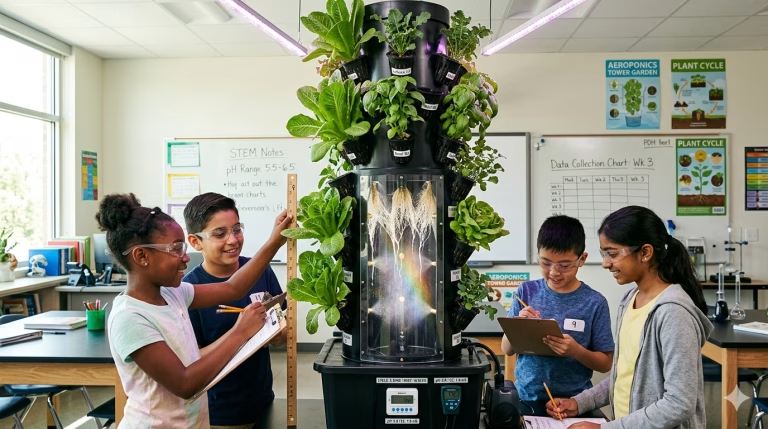
Strawberries are the easiest of the three crops for indoor hydroponics because they stay compact, fruit repeatedly, and adapt well to towers, gutters, NFT-style channels, and substrate systems. Day-neutral varieties are the best choice for year-round production because they keep flowering instead of relying on day length.
Cantaloupe
Cantaloupe is a strong option when you want a vine crop with a manageable fruit size. Smaller, early varieties are ideal because they mature faster and place less stress on trellises than large field types.
Watermelon
Watermelon is the most challenging of the three because the fruit is heavy, the vines need space, and pollination is less forgiving indoors. That said, personal-size or mini watermelon varieties can succeed in a well-lit, trellised system with good airflow and fruit slings.
What system types work best?
| Crop | Best system types | Why it works |
|---|---|---|
| Strawberries | NFT, gutters, DWC rafts, drip to coco or rockwool | Compact roots, frequent harvests, easy spacing |
| Cantaloupe | Drip to coco, deep media beds, Dutch bucket style, large media containers | Strong vines and better fruit support |
| Watermelon | Drip to coco, Dutch buckets, large media containers, large DWC only if heavily supported | Big root demand, heavy fruit, easier training |
For beginners, strawberries are best in NFT or gutters, while melons do better in larger containers or drip-fed media because they tolerate stress less well than leafy crops. If you are growing in an apartment, strawberries are the easiest fruit crop to manage under LEDs without building a massive trellis.
What conditions do these plants need?
pH and EC targets
These are practical starting ranges, not rigid rules. Keep them stable, and make changes slowly.
| Crop | pH range | EC range | Notes |
|---|---|---|---|
| Strawberries | 5.5 to 6.5 | about 1.2 to 1.8 mS/cm | Sensitive to overfeeding; watch tip burn and weak fruiting |
| Cantaloupe | 5.8 to 6.5 | about 2.0 to 2.5 mS/cm | Higher feeding during fruit fill is common |
| Watermelon | 5.8 to 6.5 | about 1.5 to 2.4 mS/cm | Mini types usually respond better than large types |
Temperature and humidity
Strawberries generally perform well around 65 to 75 F in the day with cooler nights, and steady humidity matters because low humidity can reduce calcium movement and increase tip burn. Melons prefer warmer conditions, roughly 70 to 85 F, with moderate humidity and strong air movement so flowers pollinate and fruit dries properly after watering.
Light
Indoors, strawberries usually need strong supplemental LED light for continuous flowering and fruiting, and melons need even more intensity because they are high-energy vine crops. If your light is weak, strawberries may still produce modestly, but watermelons and cantaloupes will usually disappoint.
Which varieties are best for hydroponics?
Best strawberry varieties
The most reliable hydroponic strawberries are day-neutral types such as Albion, Seascape, Tribute, and Quinault. Albion is popular for flavor and firmness, while Seascape is known for dependable production and good fruit size.
Best cantaloupe varieties
For indoor hydroponics, choose early, compact, or personal-size cantaloupes rather than large field melons. First Kiss and Halona are good examples of early types, and Minnesota Midget is a classic compact choice for small spaces.
Best watermelon varieties
Choose mini, icebox, or personal-size watermelon varieties instead of full-size picnic melons. Compact fruit is easier to support, ripens more reliably indoors, and puts less strain on trellises and roots.
How do you plant them?
Strawberries
Start strawberry plugs or runners in rockwool, coco, or another clean starter media and transplant once roots are visible. Keep the crown above the media line so the crown does not rot, and space plants about 6 to 8 inches apart for airflow and easy harvest.
Cantaloupe and watermelon
Start melon seeds directly in starter cubes or small plugs, then transplant once the seedlings have strong roots and at least two true leaves. These crops dislike root disturbance, so move them early and gently.
How-To: Set up a year-round indoor hydroponic fruit system
Title: Indoor Hydroponic Fruit Setup for Strawberries, Cantaloupe, and Watermelon
Description: Build a stable indoor hydroponic system that supports fruiting crops with proper light, nutrients, trellising, and harvesting control.
Materials and tools:
- Reservoir and pump.
- Air pump and air stones for oxygenation.
- Growing containers or channels.
- Clean starter plugs or transplants.
- Hydroponic nutrient mix.
- pH meter and EC meter.
- LED grow light.
- Trellis, netting, or plant support clips.
- Pollination tool such as a small brush or cotton swab.
- Pruners and harvest scissors.
I have a list of essential hydroponics tools here on Amazon: Dee’s Essential Hydroponics Tools (Affiliate link)
- Choose the crop and system. Start with strawberries if you want the easiest path to success. Choose cantaloupe or watermelon only if you can provide stronger lighting, more vertical space, and better trellis support.
- Sanitize the system. Clean reservoirs, trays, tubing, and tools before planting. Fruit crops can stay in a system for months, so sanitation matters more than with quick leafy greens.
- Install light and airflow. Position LEDs to cover the whole canopy, and add gentle circulation fans. Good airflow reduces disease pressure and improves pollination indoors.
- Mix nutrients and set pH. Start on the lighter side for young plants, then increase EC as vines or berries mature. Keep pH in range and check it daily at first until the system stabilizes.
- Transplant carefully. Move seedlings or plugs without burying crowns or compressing the root zone too tightly. Give melon seedlings enough space from the start so vines do not tangle early.
- Train the plants. Add trellis support early for cantaloupe and watermelon, and use clips or soft ties to guide stems. Strawberries usually need canopy spacing more than heavy structural support.
- Pollinate flowers by hand. Indoors, bees are not guaranteed, so hand-pollination is often required. Use a small brush or cotton swab to move pollen from male flowers to female flowers, especially on melons.
- Adjust feeding as fruit sets. Increase potassium and overall nutrient strength gradually once flowers and fruit appear. Avoid sudden EC jumps, which can stress strawberries and slow fruit fill on melons.
- Harvest at the right stage. Pick strawberries fully red, and harvest melons when the variety shows mature color, aroma, and slip or rind cues. For watermelons, look for a dried tendril near the fruit and a dull, deep rind sound rather than harvesting too early.
How do you trellis and support the plants?
Strawberries
Strawberries usually do not need a heavy trellis, but they do benefit from clean support and elevated channels or gutters that keep fruit off wet surfaces. Keep runners trimmed if your goal is fruit production rather than propagation.
Cantaloupe
Cantaloupe vines can be trained vertically on a sturdy trellis, cattle-panel style frame, or rigid wire support. Fruit slings are helpful when the melons begin to size up, especially if you are growing more than a few plants in a small room.
Watermelon
Watermelon trellising must be strong enough to hold heavy fruit, especially with mini types that still gain considerable weight. Use slings, mesh bags, or soft fabric supports under each developing melon to prevent stem damage.
A practical rule from multiple indoor and greenhouse runs is to support fruit earlier than you think you need to. Once a melon starts swelling, the weight increases quickly, and a weak sling can fail overnight.
What does maintenance look like?
Check pH and EC regularly, and top off reservoirs before nutrient concentration drifts too far. Clean up dead leaves, monitor roots, and keep airflow moving through the canopy so humidity does not sit on the fruit or flowers.
For strawberries, remove old runners if your goal is yield. For melons, prune excess vines and flowers so the plant channels energy into a small number of fruits instead of trying to finish too many at once.
What are the common problems?
Why are my strawberries small or pale?
Small, pale strawberries usually point to insufficient light, low EC, or poor pollination. They can also show up when plants are crowded and air cannot move through the canopy.
Why are my melons flowering but not setting fruit?
This is often a pollination problem indoors. If you are seeing flowers but no swelling fruit, hand-pollinate more consistently and verify that the room is warm enough for flower activity.
Pollination tips for indoor fruiting plants → How to Troubleshoot Pollination Issues in Hydroponic Crops
Why are my roots browning?
Browning roots can indicate low oxygen, warm reservoir temperatures, or disease pressure. Aeration, temperature control, and clean equipment usually solve the problem before you need to rethink the whole system.
Root rot in hydroponics → How to Prevent Root Rot in Hydroponic Systems
Why are leaves curling or burning?
Leaf burn often means the EC is too high, humidity is too low, or the root zone is drying out too fast. Strawberries are especially sensitive, so lower the feed strength before making dramatic changes.
What are the best use scenarios?
Hydroponic strawberries are best for apartment growers, hobbyists, and anyone who wants a steady harvest from a small footprint. Cantaloupe is best for growers with a dedicated indoor grow room or enclosed greenhouse and enough height for trellising.
Watermelon is best for advanced hobbyists who want a fun challenge and can support a large vine system with strong lighting. If your goal is flavor and consistency rather than giant fruit, mini watermelon varieties are the smartest choice.
How long until harvest?
Strawberries often begin producing usable fruit within a few months of transplant, and they can continue cycling fruit for a long time if the plants stay healthy. Many day-neutral plants remain productive for 12 to 18 months before replacement becomes worthwhile.
Cantaloupe typically takes about 70 to 90 days from seed, depending on the variety and indoor conditions. Watermelon often takes about 70 to 100 days from seed, with compact types usually performing better in controlled environments.
FAQ
Is hydroponic fruit production expensive to start?
It can be, mostly because fruiting crops need better lighting and sturdier support than leafy greens. Strawberries are the lowest-cost entry point, while watermelon and cantaloupe usually require more space, stronger lights, and a better trellis.
What is the easiest fruit to grow indoors hydroponically?
Strawberries are the easiest choice for most beginners. They stay compact, fruit repeatedly, and adapt well to smaller systems like NFT, gutters, or media-fed containers.
Can I grow watermelon in an apartment?
Yes, but only if you choose a mini or personal-size variety and have enough vertical clearance and strong light. Full-size watermelons are usually too large for typical apartment grows.
Do indoor hydroponic melons need hand pollination?
Usually, yes. Without bees or natural airflow, you often need to transfer pollen by hand to get reliable fruit set.
How often should I replace strawberry plants?
A common indoor practice is to replace productive plants every 12 to 18 months. After that, yield and vigor often decline enough that fresh plants perform better than trying to stretch the old ones.
What is the biggest mistake beginners make?
Most beginners underestimate light demand and overestimate how many fruits a small system can finish. The next biggest mistake is trying to feed melons and strawberries with the same nutrient strength at every growth stage.
How do I know when a watermelon is ready to harvest?
Look for a dried tendril near the fruit, a duller rind, and the expected days-to-maturity for the variety. For indoor crops, harvesting too early is more common than waiting too long.
Are strawberries or melons better for beginners?
Strawberries are definitely better for beginners. Melons are rewarding, but they demand more support, stronger light, and better pollination control.
Can I grow these crops with DWC?
Yes, especially strawberries and some smaller fruiting crops, but DWC works best when oxygenation is strong and the root zone stays cool. For melons, many growers find drip-fed media systems easier to manage than a pure water culture setup.
What should I grow first if I want year-round fruit?
Start with day-neutral strawberries. Once you can hold pH, EC, temperature, and lighting steady for berries, you will be in a much better position to try cantaloupe or watermelon.
Local growing notes
Growers in hot, dry places like Phoenix need to pay special attention to humidity, reservoir temperature, and evaporation losses. In colder places like Central Michigan, the bigger challenge is usually light intensity and stable indoor heat rather than heat stress.
That contrast is one reason hydroponics is so useful for fruit production. The system lets you create a controlled fruiting environment instead of waiting for outdoor seasons to cooperate.
Final thoughts
If you want the highest success rate, start with strawberries, then move to compact cantaloupe, then tackle mini watermelon once your light, trellis, and pollination game are solid. The best indoor hydroponic fruit growers do not chase the largest possible crop first, they choose the crop that fits their system and space.
The same principle holds whether you are growing in a spare room, basement, apartment, or small greenhouse. Match the plant to the environment, and year-round fruit production becomes realistic instead of aspirational.
Author note
I have grown hydroponic crops in both hot, dry Arizona conditions and colder Central Michigan seasons, which makes indoor control especially important in my workflow. My experience spans compact home systems, apartment-friendly setups, and fruiting crops that need more structure than leafy greens. I focus on practical indoor and urban growing methods that help hobbyists get reliable harvests without overcomplicating the system.
Share this:

Discover more from Soil Free Harvest
Subscribe to get the latest posts sent to your email.