Aquaponics System Types Explained: Media Bed, Raft, NFT, and Hybrid
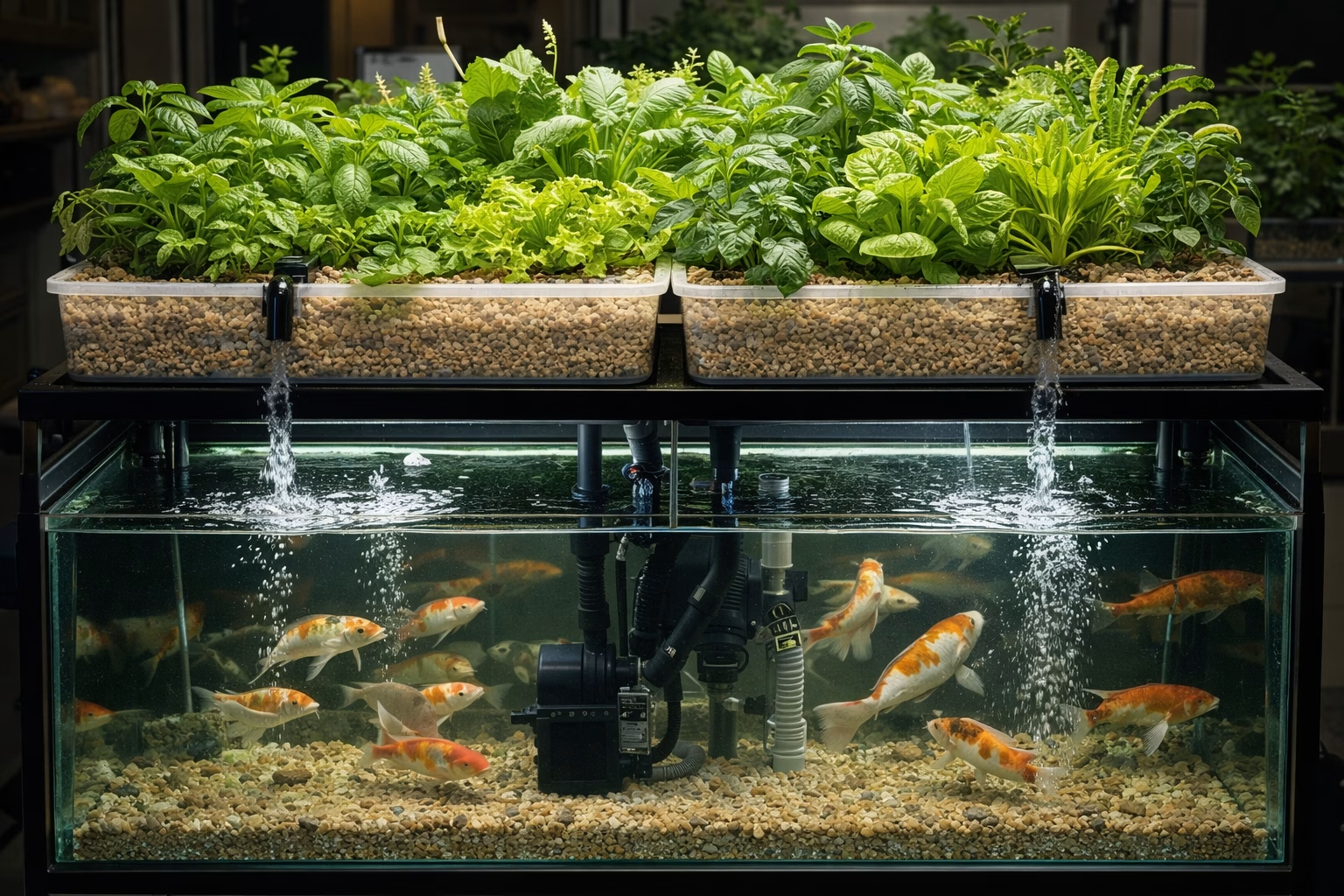
Aquaponics systems recycle fish waste into plant nutrients through beneficial bacteria, creating a sustainable loop without soil. The four main types are media bed (flood-and-drain with gravel), raft (plants float on water), NFT (thin nutrient film flows over roots), and hybrid (combines elements for versatility).
TL;DR: Media beds suit beginners with diverse plants; rafts excel for leafy greens in high yields; NFT fits compact herb growth; hybrids maximize space and crops for advanced users.
What Is Aquaponics?
Aquaponics merges aquaculture (fish farming) and hydroponics (soilless plants). Fish produce ammonia-rich waste. Bacteria convert it to nitrates that plants absorb, cleaning water for fish.
This closed system uses 90% less water than soil gardening. Ideal pH stays 6.5-7.0; EC ranges 1.0-1.8 mS/cm for most setups.
Beginners start small; intermediates scale up.
Media Bed Aquaponics Systems
What Is a Media Bed System?
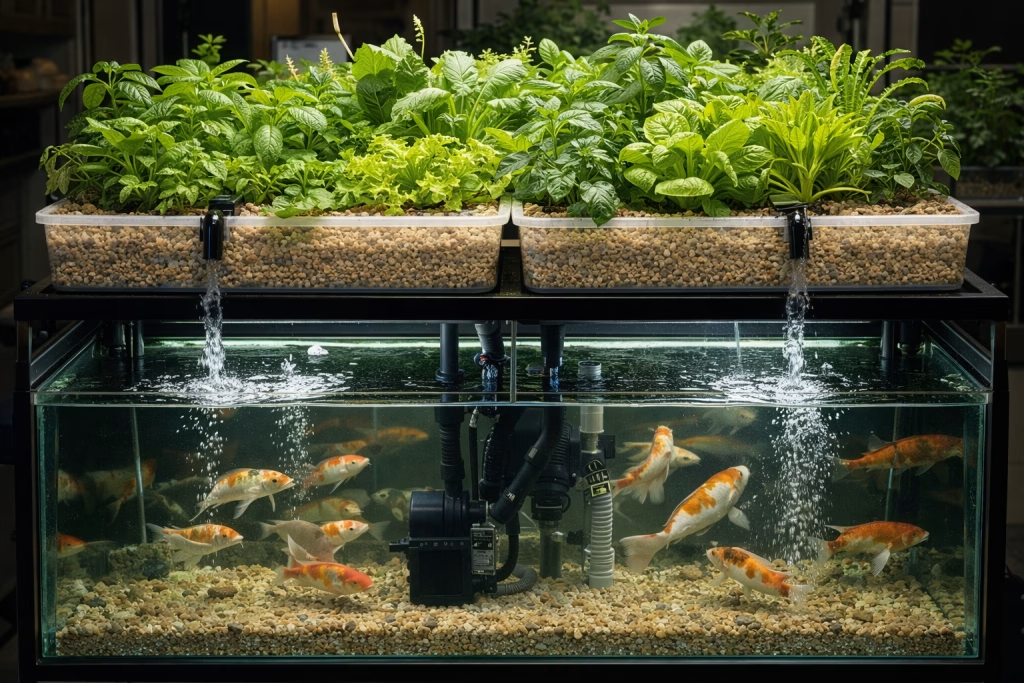
Media bed systems, or flood-and-drain, use grow beds filled with inert media like clay pebbles or lava rock. Water floods the bed periodically, then drains back to the fish tank.
Media supports roots, filters solids, and hosts bacteria. Cycle times run 15-30 minutes flood, 30-60 minutes drain.
Best for home growers in apartments or backyards.
How Does a Media Bed System Work?
A timer activates the pump to flood the bed from the fish tank. A bell siphon triggers drain when full, pulling water back.
This oxygenates roots during drain. Solids trap in media for bacteria breakdown.
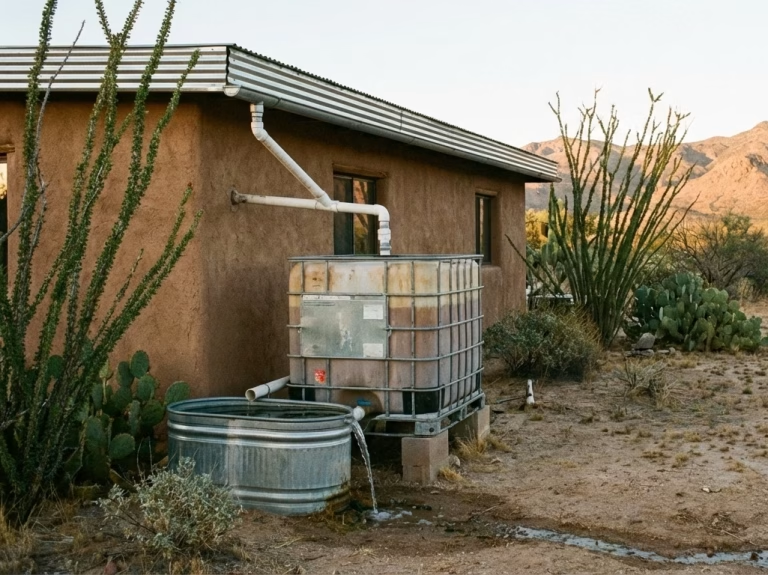
In my Phoenix setups, 4×4-foot beds handled 100-gallon tanks well in hot climates.
Pros and Cons of Media Beds
| Feature | Pros | Cons |
|---|---|---|
| Beginner Fit | Forgiving; self-filtering | Slower growth than raft |
| Plant Variety | Tomatoes, peppers, herbs | Heavier setup |
| Maintenance | Low; media cleans itself | Media costs $100-300 |
| Cost | $300-800 startup | Occasional media rinse |
Required Equipment for Media Beds
- 100-300 gallon fish tank (Local Pet Store or Thrift Store is a good place to find these)
- 4×2-foot grow bed (IBC tote works)
- Submersible pump (300-500 GPH)
- Bell siphon kit
- Clay pebbles (200-400 liters)
- Air pump with stones
- Test kits (pH, ammonia, nitrate)
Total beginner cost: $400-700.
I have created a list of Amazon products that will work for your first setup here: Dee’s Aquaponics Supply List (Affiliate Link)
Step-by-Step Media Bed Setup
How to Build a Basic Media Bed Aquaponics System
Description: Construct a simple flood-and-drain media bed system for 20-50 plants and 50-100 fish in under a weekend.
Materials/Tools:
- Fish tank (100 gallons)
- Grow bed (4x2x1 foot)
- Clay pebbles (LECA) (200 liters)
- Pump (400 GPH), timer
- PVC pipes, bell siphon
- Air pump, tubing
- Drill, level, zip ties
- Position Components: Place fish tank on ground, grow bed elevated 2-3 feet above on sturdy frame. Ensure level surface. Connect overflow to sump if using.
- Install Plumbing: Drill holes for inlet (1.5-inch PVC from pump) and drain (2-inch standpipe with bell siphon). Pump from tank base to bed top.
- Fill Grow Bed: Rinse clay pebbles thoroughly. Fill bed to 10-12 inches deep. Test siphon: flood should drain fully in 30-60 minutes.
- Add Aeration: Install air stones in tank; run 24/7 for 5-7 mg/L dissolved oxygen.
- Cycle System: Fill with dechlorinated water (pH 7.0). Add bacteria starter or fish food; monitor 4-6 weeks until nitrites drop, nitrates rise.
- Stock Fish and Plants: Add 20-50 tilapia or goldfish; plant seedlings in media. Feed 1-2% body weight daily.
- Monitor and Adjust: Test weekly: pH 6.5-7.0, ammonia <0.5 ppm, nitrates 20-80 ppm. Top off water 10% weekly.
Yields: 20-40 pounds veggies/month from small system depending on the veggies you are growing.
Maintenance and Troubleshooting
Check pH daily first month; weekly after. Clean solids from bottom yearly.
Troubleshoot: No drain? Adjust bell gaps. Yellow leaves? Low nitrates, add fish feed.
What Is a Raft Aquaponics System?
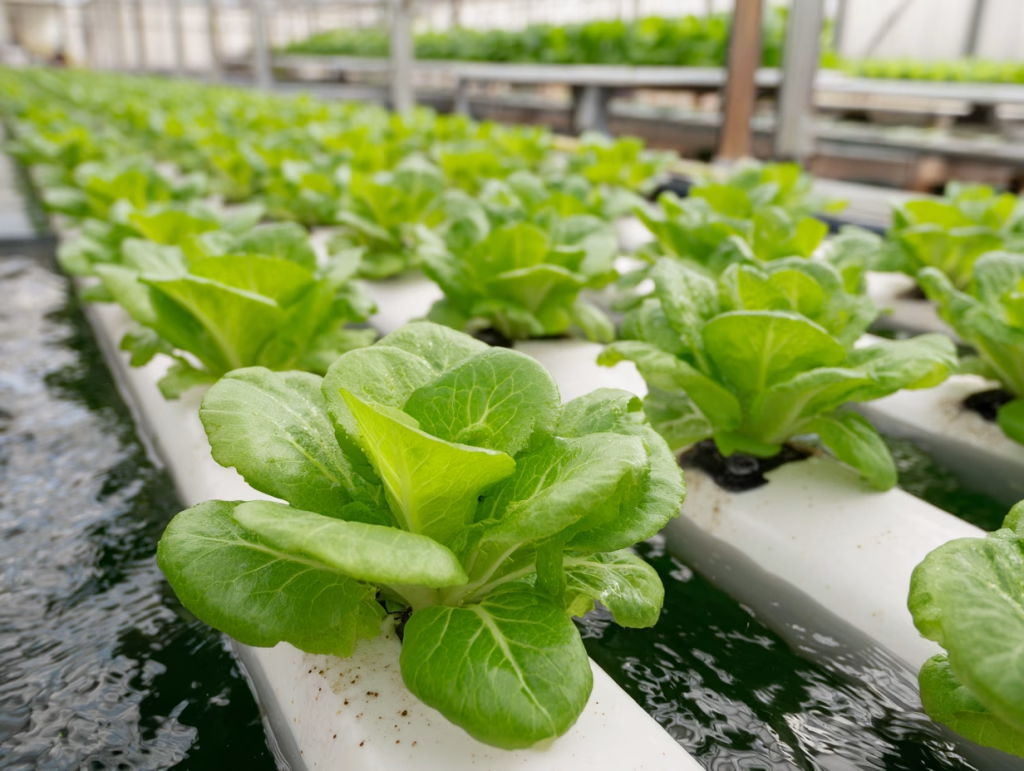
Raft systems, or deep water culture (DWC), float styrofoam rafts on water beds 12-18 inches deep. Roots dangle into oxygenated nutrient water. Pumps circulate from fish tank; air stones boost oxygen. Suits commercial scales too. Great for apartments; high yields in 4×8-foot beds.
How Does a Raft System Work?
Water pumps to raft bed; plants uptake nitrates directly. Roots get constant oxygen from air pumps. No media needed; harvest by replacing rafts. Cycle continuously. In Central Michigan winters, you can insulated rafts for year-round greens. It is harder to manage water temperatures in how places like Phoenix, Arizona.
Pros and Cons of Raft Systems
| Feature | Pros | Cons |
|---|---|---|
| Yield | Fast leafy greens (30-45 days lettuce) | Limited to small-root plants |
| Oxygen | Excellent root health | Needs constant power/air |
| Scale | 100+ plants easy | Larger footprint |
| Cost | $500-1200 |
Required Equipment for Rafts
- Fish tank (200+ gallons)
- Raft bed (4×8 feet, lined)
- Styrofoam sheets (2-inch thick)
- Net pots, air pumps (strong)
- Pump (800 GPH), solids filter
Step-by-Step Raft Setup
How to Build a Raft Aquaponics System
Description: Set up a high-yield DWC raft for 50-100 leafy plants with steady fish nutrients.
Materials/Tools:
- 200-gallon tank
- 4×8 raft bed
- 4 styrofoam rafts (cut holes)
- Heavy-duty air pumps (20 LPM)
- Pump, piping, liner
- Assemble Bed Frame: Build 4x8x18-inch deep frame from lumber/PVC; line with pond liner. Elevate slightly.
- Install Aeration: Place 4-6 air stones across bed bottom; connect to dual air pumps.
- Plumb Circulation: Pump from fish tank to bed end; return via standpipe. Add pre-filter for solids.
- Cut Rafts: Drill 2-inch holes in styrofoam (8-12/sq ft); test float.
- Cycle Water: Fill, add bacteria; run 4 weeks monitoring params.
- Plant and Stock: Insert seedlings in net pots on rafts; add fish. Space 6-8 inches apart.
- Harvest Rotate: Swap full rafts; yields peak at 4 weeks.
Maintenance and Troubleshooting
Daily oxygen check (>6 mg/L). Thin roots if crowded. Pump fail? Backup essential.
What Is an NFT Aquaponics System?
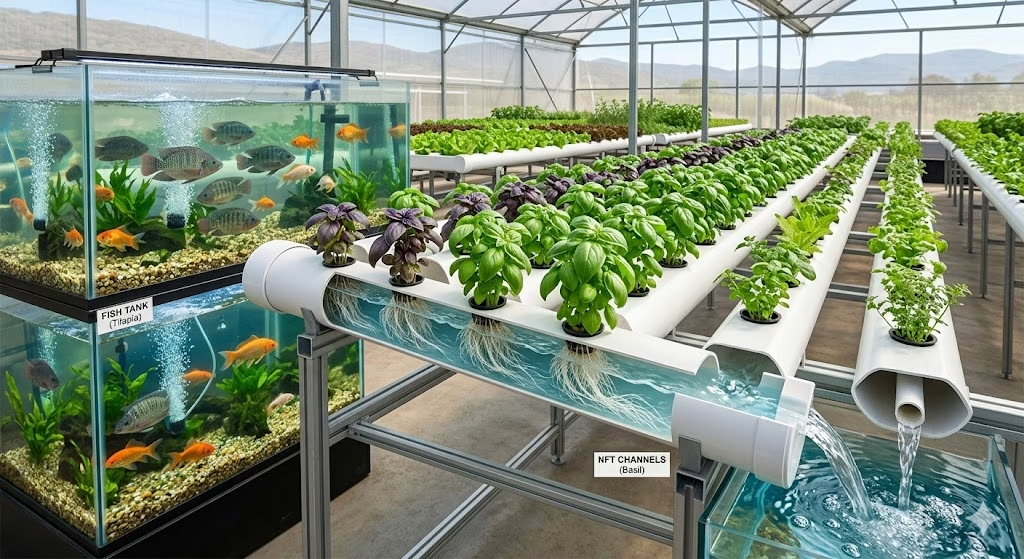
NFT (Nutrient Film Technique) runs a thin water film (1/8-inch) through sloped PVC channels or gutters. Roots access it via holes. Compact, vertical possible. Flow rate: 1-2 gallons/minute/channel. Suits hobbyists with limited space.
How Does NFT Work?
Pump pushes water to highest channel; gravity flows down, back to tank. Oxygen from film exposure. Separate biofilter often needed. Fragile to clogs. Arizona heat challenged my early NFT; shading and frequent water changes helped.
Pros and Cons of NFT
| Feature | Pros | Cons |
|---|---|---|
| Space | Vertical, efficient | Root clogs common |
| Speed | Fast herbs (20-30 days) | Pump-dependent |
| Clean | Easy harvest | Temp sensitive |
| Cost | $400-900 |
Required Equipment
- Fish tank + sump
- 4-8 PVC channels (4-inch diameter)
- Pump (500 GPH), timer
- Biofilter media
- Support frame
Maintenance and Troubleshooting
Flush channels weekly. Clog? Trim roots. Low flow? Check pump.
What Are Hybrid Aquaponics Systems?
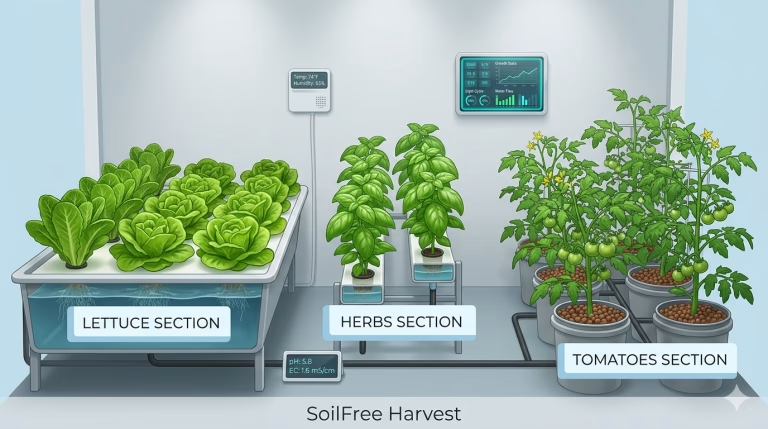
Hybrids combine types: media for filter, raft/NFT for grow-out. Balances stability and yield. Examples: media + raft for diverse crops. Scales for urban farms. My Michigan hybrid yielded 50% more than single types. Hybrid systems are easier to tweak to fit your needs.
How Do Hybrid Systems Work?
Media bed filters first; clean water feeds raft/NFT. Multiple loops possible. Customizable for plants/fish.
Pros and Cons
- Pros: Versatile plants, efficient filtration, high output
- Cons: Complex plumbing, higher cost ($800-2000), more monitoring
Best plants: Lettuce in raft section, tomatoes in media.
Hybrid often uses media beds over fish tanks for mixed crops.
Other system types → hydroponics vs aquaponics
System Comparison Table
| System | Best Plants | Yield Potential | Beginner Rating | Space Needed | Power Use |
|---|---|---|---|---|---|
| Media Bed | Tomatoes, herbs, peppers | Medium | High | Medium | Low |
| Raft | Lettuce, kale, basil | High | Medium | Large | High |
| NFT | Herbs, strawberries | Medium-High | Low | Small | High |
| Hybrid | All above | Highest | Advanced | Variable | Medium-High |
Best Plants and Fish for Each System
Leafy greens thrive in raft/NFT; fruiting in media. Tilapia (warm), trout (cool), goldfish (easy).
pH 6.5-7.0 all; temps 70-85F tilapia.
Common Mistakes Across Systems
Overfeed fish spikes ammonia. Skip cycling kills bacteria. Wrong plants clog NFT.
FAQ
How much does an aquaponics system cost to start?
Basic media bed runs $400-700; rafts $500-1200; hybrids $800+. Factor tanks, pumps, media. Scale matches budget for hobbyists.
Are aquaponics systems hard for beginners?
Media beds are easiest; self-filtering and forgiving. Start small, cycle properly. Avoid NFT first due to clogs.
What fish work best in aquaponics?
Tilapia grow fast in warm water; goldfish tolerate beginners. Match climate: trout for cold. Stock 1 fish/5-10 gallons.
How long until harvest in aquaponics?
Lettuce 30-45 days; basil 20-30; tomatoes 60-90. Faster than soil with good balance.
What pH and EC for aquaponics?
Aim pH 6.5-7.0; EC 1.0-1.8 mS/cm. Test weekly; adjust with buffers. Plants/fish thrive here.
Can aquaponics work indoors or apartments?
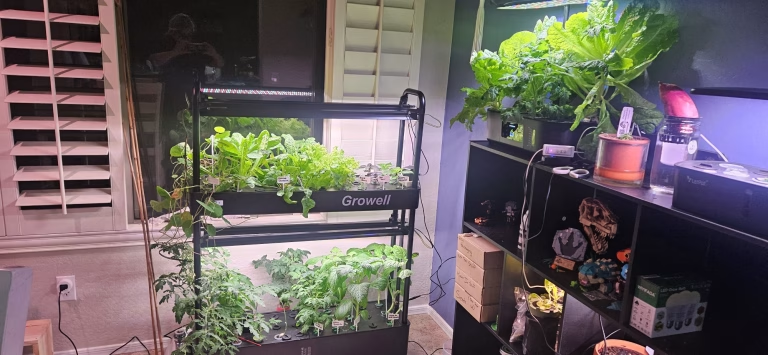
Yes; rafts/media fit balconies. LED lights supplement. Insulate in cold climates like Michigan.
What are common aquaponics risks?
Ammonia spikes from overfeeding; pump failure; pH crashes. Monitor daily first months.
How to troubleshoot low plant growth?
Check nitrates (40-80 ppm), oxygen, light. Balance fish feed. Cycle incomplete common.
Best system for small spaces?
NFT or hybrid with vertical channels. Efficient water use, high output per sq ft.
Author Note
I’ve run aquaponics systems for 8 years, from Phoenix, Arizona’s scorching heat to Central Michigan’s snowy indoor grows. Specializing in urban setups for apartments and backyards. Focus on reliable yields for home cooks and hobbyists at SoilFreeHarvest.com.
Share this:

Discover more from Soil Free Harvest
Subscribe to get the latest posts sent to your email.








2 Comments