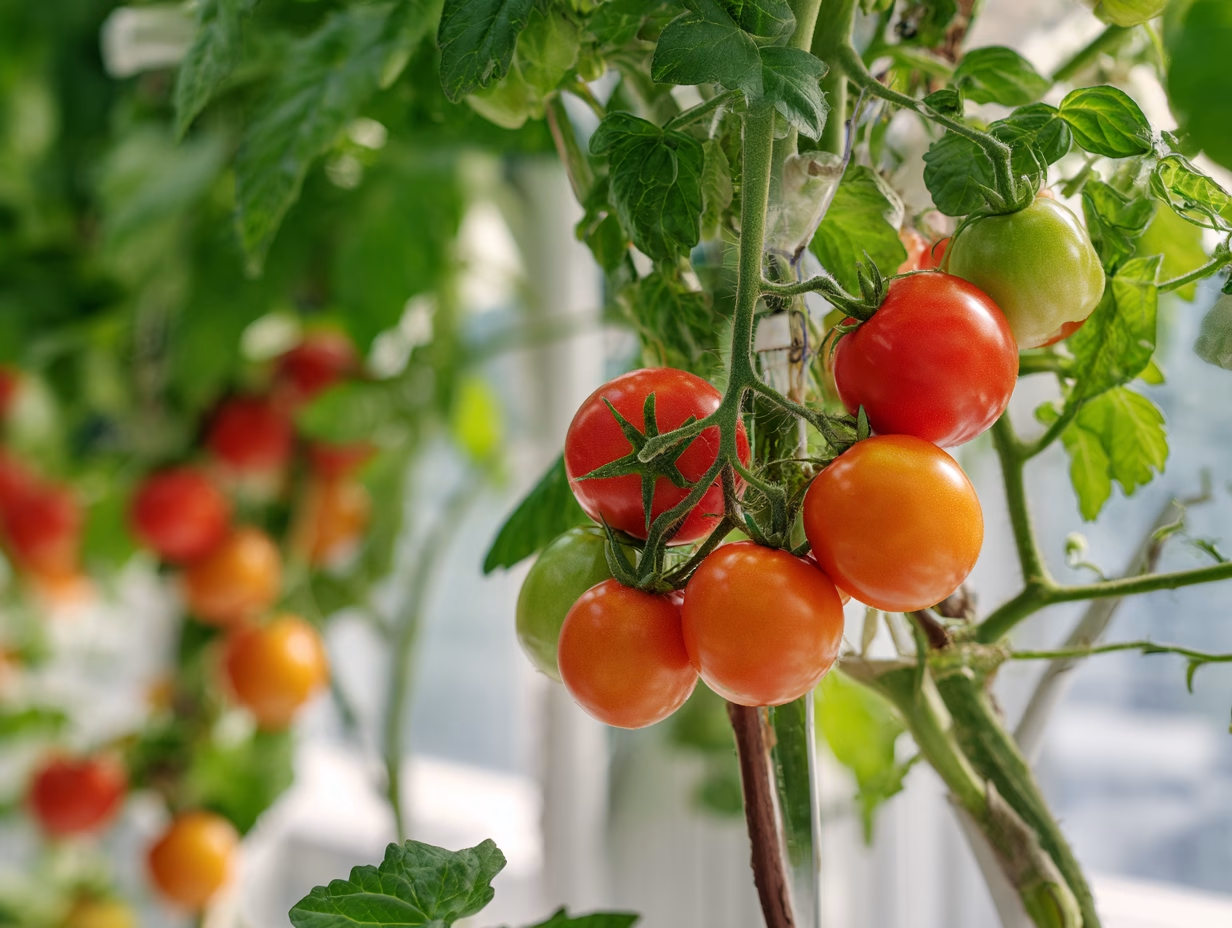
Tomatoes, Peppers & Cucumbers: Summer Fruiting Vegetables in Hydroponics
Hydroponic tomatoes, peppers, and cucumbers can thrive in summer when you balance warm‑loving air with cool, well‑oxygenated nutrient water and keep pH and EC in the 5.8–6.5 and 1.7–3.5 mS/cm range for most fruiting stages. For beginners, a simple drip or NFT system plus daily air movement and light pollination (vibration or gentle touch) will reliably produce summer harvests of vine‑ripe tomatoes, colorful peppers, and crisp cucumbers.
TL;DR:
- Grow tomatoes, peppers, and cucumbers in hydroponics at 75–85°F air, 64–72°F nutrient water, pH 5.8–6.5, EC 1.7–3.5 mS/cm.
- Use drip, NFT, or DWC‑style systems, ventilate well in summer, and hand‑pollinate flowers every 2–3 days to maximize fruit set.
Why grow tomatoes, peppers and cucumbers hydroponically in summer?
Tomatoes, peppers, and cucumbers are classic “sun‑lovers”: they need long days, warm temperatures, and steady feeding to produce fruit. In a hydroponic system, you can give them those conditions in a controlled way, even in hot, dry climates or on an apartment balcony.
Hydroponics also sidesteps common soil problems like nematodes, heavy‑metal buildup, and compacted, water‑starved dirt. In my own setups—from Phoenix rooftops to Central Michigan sunrooms—fruiting hydroponic crops have regularly out‑yielded in‑ground plots per square foot because nutrients and water are delivered directly to the roots.
What hydroponic systems suit tomatoes, peppers and cucumbers?
There is no single “best” system, but certain designs match the needs of these thirsty, fruit‑heavy vines better than others.
Best hydroponic systems for fruiting summer veggies
- Drip systems (media‑based):
Each plant sits in coco coir, perlite, or rockwool, and a pump drips nutrient solution to the base. Drip is excellent for tomatoes, peppers, and cucumbers because it can handle large root zones and supports heavy, trellised vines.
All about Hydroponic Media → Hydroponics Growing Mediums: The Complete Guide to Types, Selection, and Management - NFT (Nutrient Film Technique):
Shallow channels of flowing water pass under the roots in a continuous thin film. NFT works well for cucumbers and peppers once plants are established, but care is needed for taller, heavy tomatoes, which can become top‑heavy.
NFT hydroponics → Complete Guide to NFT Hydroponics Systems - DWC / top‑fed DWC:
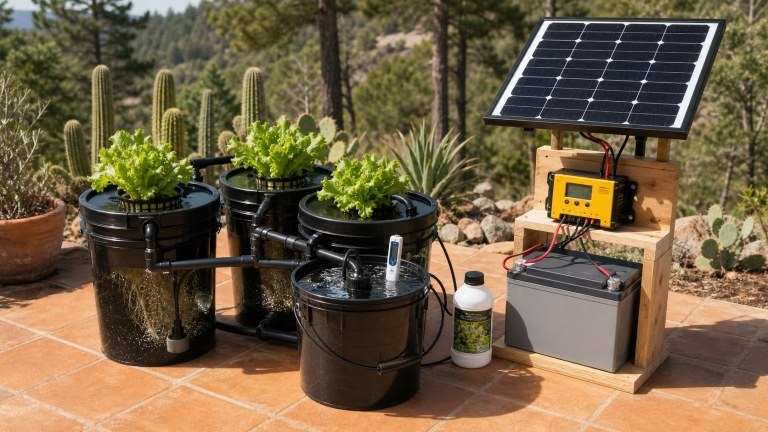
Roots sit in an oxygen‑rich reservoir (deep water culture) or receive a top‑fed stream in a DWC‑style bucket. DWC is forgiving for beginners and can power large fruiting plants, provided you keep the water cool and well‑aerated.
DWC hydroponics → Build a 5 Gallon Bucket DWC System for Under $30: A Budget DIY Hydroponics Guide - Kratky (non‑circulating):
Simple, low‑cost jars or buckets for peppers and sometimes smaller tomato or bush cucumbers. It’s great for beginners on a budget, but yields are usually lower than active‑flow systems.
Kratky hydroponics → The Complete Guide to Kratky Hydroponic Method: Build Your Own DIY Passive Growing System
Which plant types suit these summer systems?
- Tomatoes: Indeterminate (vining) varieties such as Sun Sugar, San Marzano, or heirlooms perform best under NFT or drip, where you can trellis them high. Determinate (bush‑type) tomatoes fit well in Kratky or small DWC buckets.
- Peppers: Bell and hot peppers (jalapeño, habanero, etc.) are highly adaptable to drip, DWC, and even NFT. Hot types often tolerate slightly higher EC without burning leaf tips.
- Cucumbers: Vining types such as English, Persian, or Beit Alpha like a drip or NFT system with strong vertical support and high humidity. Bush or “patio” cucumbers can fit into smaller DWC or Kratky containers.
Summer growing strategies for warm‑climate hydroponics
Summer heat can be both friend and foe for tomatoes, peppers, and cucumbers. You want warm air but cool roots and stable nutrient chemistry.
Ideal temperature and humidity ranges
- Air temperature: 75–85°F for most fruiting stages; 65–80°F during flowering and fruit set.
- Nutrient‑water temperature: 64–72°F; above 75°F oxygen drops sharply and roots can suffocate.
- Relative humidity: 50–70% for daytime, 60–80% at night; higher humidity helps cucumbers and peppers avoid blossom‑end issues.
Protecting your system from summer heat
- Shade bright midday sun on outdoor or balcony systems using a 30–50% shade cloth.
- Insulate reservoirs with reflective insulation or place them in a cooler, shaded area.
- Add extra air stones or increase pump flow to dissolve more oxygen as water warms.
- Use a submersible thermistor or inline chiller if your reservoir persistently runs above 72°F.
Summer fruiting vegetable growing guide (step‑by‑step)
This guide assumes you are using a basic drip or NFT system and want to grow tomatoes, peppers, and cucumbers from seed to summer harvest.
1. Choose the right varieties
- Look for disease‑resistant, vigorous cultivars labeled for “greenhouse” or “indoor” use. These usually tolerate higher humidity and tighter spacing.
- For hydroponics, favor indeterminate tomatoes, vining cucumbers, and blocky or elongated peppers.
- Start with 1–2 plants per system slot if you’re a beginner; scale up once you know your climate and system.
2. Germinate seeds and harden seedlings
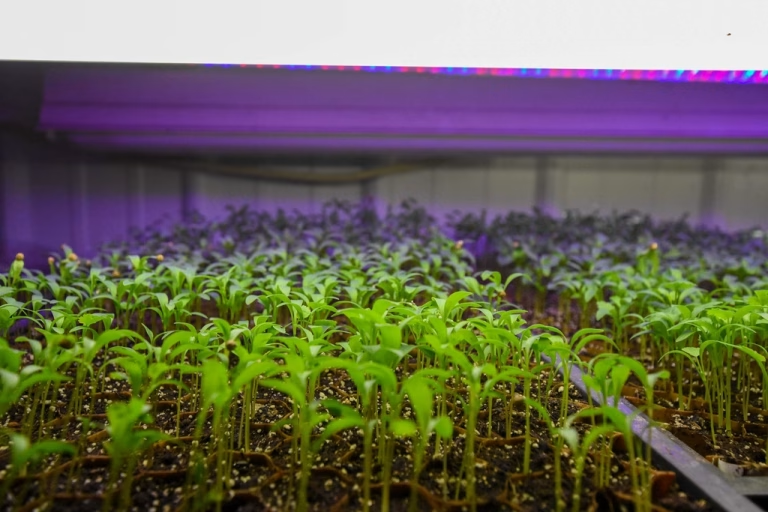
- Germinate in rockwool cubes, plug trays, or small soil‑free plugs under 16–18 hours of light, 70–75°F, and gentle bottom heat.
- At 2–3 true leaves, transfer to net cups with your chosen medium (coco, perlite, or rockwool) and begin a very light nutrient solution (EC around 0.8–1.2 mS/cm).
- Gradually reduce humidity and increase airflow over 7–10 days so seedlings adjust to lower humidity and light wind.
Seed to transplant → Hydroponic Seed Starting Guide
3. Transplant into fruiting system
- When true leaves are 5–7 and roots begin to peek from the plug, move plants into the main system.
- Adjust support immediately:
- Tomatoes: trellis or string support above.
- Peppers: light stakes or cages.
- Cucumbers: vertical trellis or netting 6–8 feet high.
- For drip and NFT, start nutrient EC at 1.4–1.8 mS/cm and slowly ramp up as plants bulk out.
Plant support systems → The Ultimate Guide to Trellising and Supporting Plants in Hydroponics
4. Manage nutrients and light for summer fruiting
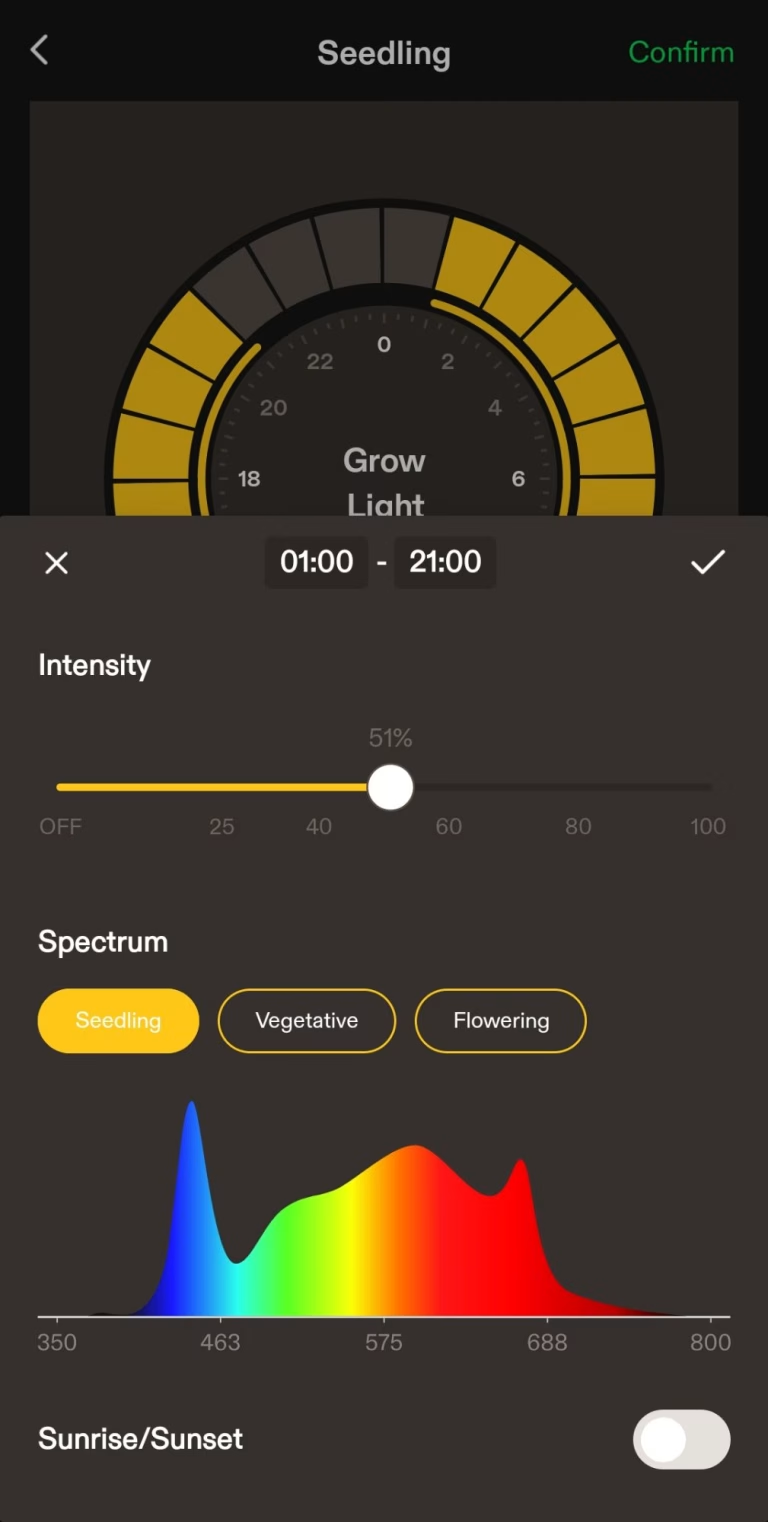
For tomatoes, peppers, and cucumbers, aim for a fruiting‑oriented nutrient profile with slightly higher potassium and calcium once flowers appear. Feed with 16–18 hours of light per day, using full‑spectrum LEDs or a mix of red/blue. Fruit‑heavy plants benefit from more red spectrum for flowering and fruit set.
Typical ranges:
| Crop | pH range | EC range (mS/cm) | Notes |
|---|---|---|---|
| Tomatoes | 5.8–6.3 | 2.0–3.5 | Slightly higher EC in fruiting stage |
| Peppers | 5.8–6.5 | 2.0–3.0 (bell), up to 3.5 (hot) | Hot peppers tolerate higher EC |
| Cucumbers | 5.5–6.0 | 1.7–2.5 | Keep slightly lower than tomatoes |
5. Summer watering schedule and monitoring
- With drip or top‑feed systems, run cycles 2–4 times per day in summer, adjusting based on how much media drains out.
- In DWC or NFT, check the reservoir every 2–3 days: top off with plain water if levels drop, then replace the full nutrient solution every 10–14 days in summer to prevent nutrient imbalances.
- Always monitor pH and EC daily in hot weather; pH can drift upward quickly as water evaporates and nutrients concentrate.
6. Pollination tools and techniques
In hydroponics, especially indoors, you become the “bee” for tomatoes, peppers, and cucumbers. Hand‑pollination more than doubles fruit set in many hobby setups.
How to pollinate tomatoes and peppers
- Use a small fan directed at the plants for 4–6 hours per day; this vibrates flowers and distributes pollen.
- Alternatively, use an electric toothbrush or a soft brush: gently vibrate the flower stem or brush the center of each open bloom every 2–3 days.
- Pollinate when flowers are fully open; the anthers (yellow centers) should be visible and releasing pollen.
Hand pollination → How to Troubleshoot Pollination Issues in Hydroponic Crops
How to pollinate cucumbers
- Cucumbers have separate male and female flowers. Female flowers have a tiny fruit at the base; male flowers sit on slender stalks without swelling.
- Pick a male flower or use a clean paintbrush, then dab pollen from the male flower onto the stigma of each female.
- Do this every 2–3 days as new flowers open to keep fruit coming steadily.
7. Summer harvest and pruning tips
- Tomatoes:
- Harvest when color is fully developed and the fruit yields slightly to gentle pressure.
- Prune suckers and lower leaves to keep airflow under the canopy and reduce disease risk.
- Peppers:
- Pick early for milder flavor, or let them fully ripen for sweeter or more colorful fruit.
- Remove any yellowing or crowded leaves around the main stems.
- Cucumbers:
- Pick small to medium‑size fruit frequently to encourage continuous production.
- Pinch or remove any lateral vines that crowd the trellis; keep 1–2 main stems.
Hydroponic nutrients for summer fruiting vegetables
Nutrient management is where tomatoes, peppers, and cucumbers really shine in hydroponics. The key is to feed them appropriately for each stage rather than blast them with a single high‑strength formula all summer.
Key nutrient parameters
- pH: 5.8–6.5 for tomatoes and peppers; 5.5–6.0 for cucumbers.
- EC:
- Seedling/early veg: 1.2–1.8 mS/cm.
- Full vegetative: 1.8–2.5 mS/cm.
- Full fruiting: 2.0–3.5 mS/cm depending on crop and variety.
Use a two‑part (A/B) or three‑part (grow/bloom) hydroponic fertilizer blend, adjusting the “bloom” portion upward as you enter flowering.
Tailoring nutrients by crop
| Crop | Calcium needs | Potassium needs | Notes |
|---|---|---|---|
| Tomatoes | High (prevent blossom‑end rot) | High | Add calcium nitrate if needed |
| Peppers | Moderate–high | High | Watch for tip burn at high EC |
| Cucumbers | Moderate | High | Sensitive to boron deficiency; keep steady pH |
Check your source water chemistry first; if your tap water already has high calcium or magnesium, you may need to dilute with RO or adjust formulation.
Summer fruit harvest photos and observational tips
While you can’t see photos here, you can structure your own “summer harvest gallery” around these visual cues:
- Tomatoes:
- Stage 1: Light green, firm, no color breaking.
- Stage 2: First blush of color (yellow, pink, red, or purple).
- Stage 3: Fully colored, slightly soft; this is the ideal harvest window.
- Peppers:
- Stage 1: Solid green and firm.
- Stage 2: Color change (yellow, orange, red, purple) and slight softening.
- Cucumbers:
- Stage 1: Small, dark green, firm, 4–6 inches.
- Stage 2: Beginning to yellow at the tip; past prime for slicing.
In hot weather, fruits mature faster; in my setups I’ve seen outdoor‑style hydroponic tomatoes ripen in 55–70 days from transplant and cucumbers in 50–65 days.
My favorite places to get seeds are:
- Survival Garden Seeds – this is the primary place I get my seeds.
- Seed Needs – I have tried their tomatillos, tiny Tim tomatoes, cucamelon, and a few herbs
How to: Set up a summer fruiting system for tomatoes, peppers and cucumbers
Title: How to set up a summer fruiting system for tomatoes, peppers, and cucumbers
Description: A beginner‑to‑intermediate guide to installing a simple drip or NFT hydroponic system for three classic summer fruiting vegetables, tuned for warm climates.
Materials and tools
- Drip or NFT system (channels or drip lines, reservoir, pump, tubing).
- Growing medium: coco coir, perlite, or rockwool cubes.
- Hydroponic fertilizer (A/B or grow/bloom), pH up/down, EC and pH meters.
- Net pots, trellis lines or stakes, fan(s), and optional electric toothbrush or small brush for pollination.
- Timer (for drip systems), air pump and air stones (for DWC‑style reservoirs).
Step‑by‑step setup
- Lay out the system and supports
- Position the reservoir, pump, and grow channels or drip lines in a level area.
- Install trellis lines above tomato and cucumber stations and stakes or cages for peppers.
- Prepare the growing medium and seedlings
- Soak coco or rockwool as recommended by the manufacturer and rinse if needed.
- Fill net pots or small pots with the medium and place seedlings that have 5–7 true leaves.
- Connect the irrigation and test the flow
- Connect the pump to the drip lines or NFT channels and run a short test cycle to ensure all plants get even water.
- Adjust drip emitters or flow rates so each station has a light, steady drip or a thin film in the channel.
- Mix the initial nutrient solution
- Add a low‑strength nutrient solution to the reservoir (about 1.2–1.6 mS/cm) and adjust pH to 5.8–6.0.
- Start with a “grow” heavy formula, then shift toward “bloom” as you see flower buds.
- Transplant and secure the plants
- Place the net pots into the grow sites, making sure roots are in contact with the drip or channel.
- Tie or clip tomato and cucumber stems to the trellis lines and pepper stems to stakes.
- Set the light and fan schedule
- Provide 16–18 hours of light per day with full‑spectrum LEDs or a mix of red/blue.
- Run fans to move air across the canopy 8–12 hours per day, especially in hot weather.
- Begin pollination once flowers appear
- After 1–2 weeks of flowering, start using a small fan or vibrating toothbrush over the blossoms every 2–3 days.
Share this:

Discover more from Soil Free Harvest
Subscribe to get the latest posts sent to your email.







2 Comments