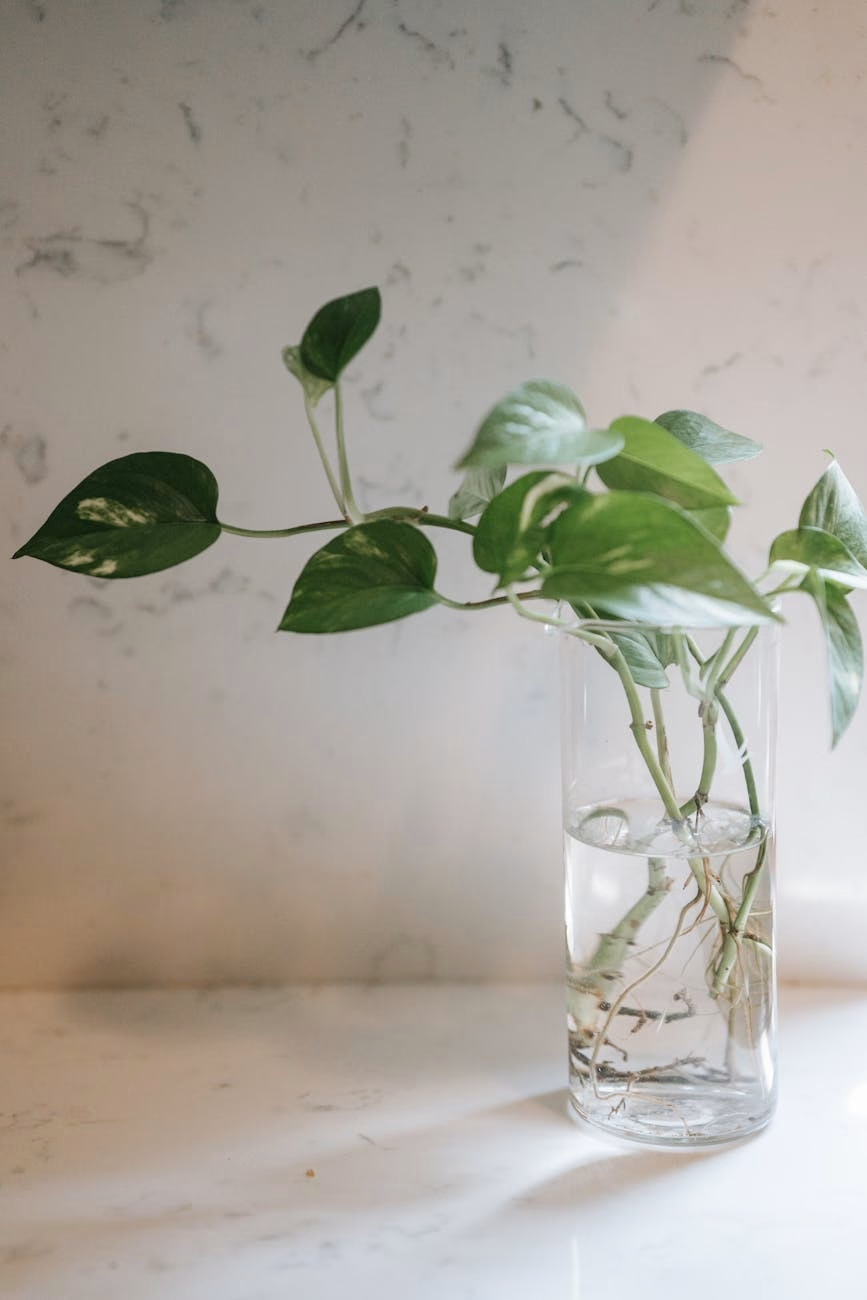
Pothos in Hydroponic Systems: Do They Actually Help? A Complete Guide
Introduction
If you’re into hydroponics, you’ve probably heard someone mention adding a pothos plant to their system. Maybe it was pitched as a natural water filter, a nutrient cleaner, or a way to boost microbial health. But does adding a pothos in hydroponic systems actually work?

The short answer: Yes, but with realistic expectations.
Pothos (Epipremnum aureum) can offer modest benefits to a hydroponic system—but mostly as a hardy buffer plant and aesthetic addition rather than a game-changing solution. In this guide, we’ll break down exactly what pothos can and can’t do for your hydro setup, debunk some common myths, and show you how to add one safely and effectively.
Table of Contents
- The Real Benefits of Pothos in Hydroponics
- Common Myths vs. Reality
- Potential Downsides and Risks
- How to Add a Pothos Cutting to Your System
- When Pothos Makes the Most Sense
- FAQ: Pothos and Hydroponic Systems
The Real Benefits of Pothos in Hydroponic Systems
1. Extra Nutrient Uptake (The “Nutrient Mop” Effect)
Pothos is a fast, forgiving grower that actively pulls nitrogen, potassium, and other essential nutrients from your hydroponic solution. In practice, this means:
- Smooths out nutrient spikes: If you accidentally over-mix your nutrients, a healthy pothos can absorb some of the excess, naturally buffering your system’s EC (electrical conductivity) over time.
- Uses excess nutrients efficiently: When your main crop is slowing down at the end of its life cycle, pothos will keep growing and consuming those remaining nutrients rather than letting them go to waste.
Think of pothos as a “nutrient sponge” for your system. While it doesn’t selectively remove “bad stuff,” it acts as another nutrient-hungry plant that helps stabilize your solution.
2. Minor Biological Stability Through Extra Root Mass
Especially in systems with active water movement (like Deep Water Culture, NFT channels, or small reservoirs):
- Provides extra microbial habitat: Pothos roots create additional surface area where beneficial microorganisms can establish themselves and thrive.
- Improves biological balance: This extra root mass can help establish a more stable microbial community in your root zone and slightly compete against less desirable pathogens.
Important caveat: This benefit is real but modest. It doesn’t replace proper aeration, temperature control, and pH management—the actual pillars of a healthy hydroponic root zone.
3. Pothos as a “Canary in the Coal Mine” (Plant Health Indicator)
Because pothos is incredibly hardy and forgiving, it serves as a unique inverse health indicator for your system:
- Thriving pothos + struggling main crop = Your issue is likely crop-specific (light intensity, plant sensitivity, nutrient ratios).
- Struggling pothos = You have a systemic problem (extreme EC levels, severe pH drift, toxic nutrient buildup, or serious root disease).
Since pothos will survive almost anything, if it starts showing stress, your hydroponic conditions have become extreme. This gives you an affordable, early-warning system for system-wide problems.
4. Aesthetic Appeal and Maintenance Motivation
While not a technical benefit, this one matters more than growers typically admit:
- Visual appeal: A pothos trailing from your reservoir or system lid creates a gorgeous, jungle-like appearance that makes your hydroponic setup more inviting.
- Increased system attention: A more aesthetically pleasing setup tends to get checked and maintained more frequently, which indirectly improves overall system health through better observation and timely interventions.
For home growers, this psychological benefit is often one of the biggest practical advantages.
Common Myths About Pothos in Hydroponic Systems vs. Reality
Myth #1: “Pothos Prevents Algae and Kills Pathogens”
What people claim: Adding pothos to your system will naturally prevent algae blooms and stop root diseases like Pythium.
The reality: While pothos roots will remove some dissolved nutrients (like nitrate), this doesn’t meaningfully control algae or pathogens because:
- Algae thrives on light exposure first and foremost. Prevention depends on light exclusion, proper system design, and sanitation—not nutrient depletion alone.
- Root pathogens are controlled through:
- Adequate dissolved oxygen (DO) levels
- Temperature management (keeping water between 65–72°F)
- Clean equipment and regular reservoir maintenance
- Proper sanitation protocols
Pothos doesn’t replace any of these critical factors. It’s a supporting player, not a solution.
Myth #2: “Pothos Will Detoxify or Deeply Clean Your Water”
What people claim: Pothos acts like a natural water filter that removes contaminants, heavy metals, and harmful compounds.
The reality: Pothos does absorb nutrients and some organic compounds—just like any plant would. However:
- It does not meaningfully remove heavy metals or chemical contaminants at levels that would make an unsafe system safe.
- Think of it as a small polishing effect, similar to the nutrient-mop concept above.
- For serious contamination issues, you need proper water changes, activated carbon filtration, or other dedicated purification methods.
Pothos is complementary to good system management, not a replacement for it.
Potential Downsides and Risks of Adding Pothos
1. Nutrient Competition With Your Main Crop
Pothos is efficient and aggressively nutrient-hungry:
- In a shared reservoir, a vigorous pothos vine will compete with your primary crop for available nutrients.
- In smaller systems, this can cause:
- Faster depletion of total reservoir nutrients
- Skewed nutrient ratios as pothos absorbs different elements at different rates than your main crop
- Early deficiency symptoms in your primary plants
What you need to do: Monitor your nutrient levels more closely, possibly increasing your feeding schedule or using a larger reservoir relative to plant mass.
2. Root Mass Clogging and System Blockages
Pothos develops thick, fibrous root systems that can become problematic:
- In Nutrient Film Technique (NFT) channels, dense pothos roots can obstruct water flow.
- In systems with tight plumbing, narrow drippers, or filter intakes, pothos roots can accumulate and clog them.
- Vigorous vines can also tangle with other plants’ roots, potentially restricting nutrient and water flow.
Solution: Plan ahead by keeping pothos in a dedicated net pot away from critical flow areas and commit to regular root trimming (every 2–3 weeks during peak growth).
3. Disease and Pest Carryover From Soil
If you’re starting with a pothos that’s been growing in traditional potting soil:
That soil can introduce:
- Fungus gnats and other flying insects
- Root pathogens like Pythium and Fusarium
- Unwanted bacteria and mold spores
Best practice: Always thoroughly rinse soil from the roots before introducing any plant to your hydroponic system. Some growers also do a brief dip in a very dilute hydrogen peroxide solution (2–3%, 30 seconds maximum) before adding to the system, though this is optional.
4. Pothos is Toxic to Pets (Critical Safety Issue)
This is important if you have pets or children around your hydroponic setup:
- Pothos contains insoluble calcium oxalates, which are toxic if chewed or ingested by cats, dogs, rabbits, and other pets.
- Symptoms of pothos toxicity include drooling, mouth irritation, vomiting, and difficulty swallowing.
- Hydroponic cultivation doesn’t change its toxicity—it’s still a dangerous plant for pets.
What to do: If you have curious pets or children, either keep your pothos hydroponic setup out of reach or consider alternative non-toxic buffer plants (like spider plants grown hydroponically).
How to Add a Pothos Cutting to Your Hydroponic System (Step-by-Step)
If you’ve decided pothos is right for your setup, here’s the safest and most effective way to introduce it.
Step 1: Choose and Prepare Your Cutting
- Take a 4–6 inch cutting that includes:
- At least 1–2 nodes (the bumpy spots where roots will emerge)
- 2–3 healthy leaves
- Remove the lowest leaf closest to the cut to expose the node where roots will develop.
Optional: You can root the cutting first in plain water (takes 1–2 weeks) before transferring to hydro, or place it directly into your system if it has gentle circulation and good aeration.
Step 2: Clean Thoroughly (If Starting From Soil)
If you’re using an established pothos plant from a pot:
- Remove it from potting soil gently
- Rinse all soil from the roots under lukewarm running water—this step is critical
- Inspect the roots:
- Remove any dark, mushy, or rotting roots with clean scissors
- Healthy roots should be white or light tan and firm
- Optional sanitization: Dip roots in a very dilute H₂O₂ solution (2–3%) for 30 seconds, then rinse with clean water
- Allow to air dry briefly before placing in your system
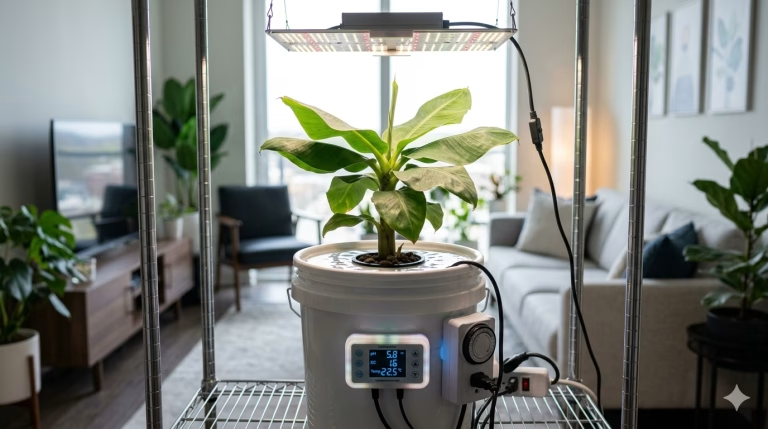
Step 3: Place in a Dedicated Net Pot
- Use a separate net cup (typically 3–4 inch diameter) filled with clay pebbles, rockwool, or hydro medium
- Position the net pot so the emerging roots just touch the nutrient solution or sit in the mist zone (depending on your system type)
- Avoid problematic placements:
- Don’t put it directly over pump intakes or filters
- Keep it away from tight NFT channels where root growth could clog water paths
- Position it where you can easily access and trim roots without disturbing your main crop
Think of the pothos as a “sidecar plant”—integrated but separate from your main growing operation.
Step 4: Monitor, Adjust, and Maintain
- Weekly checks:
- Inspect pothos growth rate and leaf color
- Monitor your main crop for unexpected nutrient deficiencies
- Check reservoir nutrient levels—they may drop faster than before
- Bi-weekly maintenance:
- Trim any roots that are growing into restricted areas
- Remove yellowing or dead leaves from the pothos
- Inspect around plumbing and circulation points for clogs
- Ongoing adjustment:
- If your main crop shows deficiencies, increase feeding rates slightly
- If pothos is growing too aggressively, you can heavy-prune it or reduce its access to certain nutrients (though this is tricky)
- If root growth becomes unmanageable, consider moving it to a separate “buffer bucket” connected via overflow
When Adding Pothos Makes the Most Sense
Pothos is a Good Fit If You Have:
- A hobby or home hydroponic system where aesthetics and stability matter as much as yield
- A modest-sized reservoir (20–50 gallons) where an extra “nutrient mop” can be helpful
- Interest in a forgiving plant that thrives even when conditions aren’t perfect
- Willingness to do light maintenance (root trimming, nutrient monitoring)
- A system design flexible enough to accommodate extra root mass without clogging
Pothos is Less Ideal If You Have:
- A commercial or high-yield production system where every inch of space and nutrient should go to your cash crop
- Tight, inflexible plumbing prone to clogs (like small-diameter DWC lines or intricate NFT setups)
- Pets or children who might nibble on the pothos leaves
- Limited time for regular monitoring and maintenance
- Strict hydroponic principles where you want only your target crop in the system
Pothos vs. Alternative Buffer Plants for Hydroponics
| Plant | Difficulty | Nutrient Mop Effect | Root Size | Toxicity | Best For |
|---|---|---|---|---|---|
| Pothos | Very Easy | High | Large, dense | Toxic to pets | Aesthetic hobby systems |
| Spider Plant | Very Easy | Moderate | Smaller, fewer clogs | Non-toxic | Pet-safe systems |
| Mint | Easy | High | Medium | Non-toxic | Edible bonus crops |
| Basil | Easy | High | Medium | Non-toxic | Edible systems |
| Sweet Potato Vine | Easy | Very High | Large | Non-toxic | Dedicated nutrient sink |
FAQ: Pothos and Hydroponic Systems
Q: Can I put a pothos cutting directly into my DWC (Deep Water Culture) system?
A: Yes, but with caution. DWC systems have actively oxygenated water, which pothos loves. However, keep the pothos in a separate net pot tethered to the side of your bucket rather than floating freely—this prevents roots from clogging your air stone or pump intake.
Q: How often should I trim pothos roots in my hydroponic system?
A: Every 2–4 weeks during active growth season. Pothos roots grow quickly, so regular trimming (every other week) prevents clogs and keeps the plant from getting out of hand. You can trim them back by 30–50% without harming the plant.
Q: Will pothos deplete my nutrients faster than just my main crop alone?
A: Yes, slightly. Pothos is a greedy feeder, so your total nutrient consumption will increase. In small systems (under 20 gallons), you might notice EC levels dropping 10–20% faster. Larger systems (50+ gallons) won’t show as dramatic a change.
Q: Can I propagate pothos within my hydroponic system?
A: Absolutely. Pothos is one of the easiest plants to propagate hydroponically. You can snip healthy vines, let nodes develop roots in the nutrient solution, and create new plants within weeks. This is one of the fun side benefits of having pothos in your system.
Q: What’s the best temperature range for pothos in hydroponics?
A: Pothos thrives in water temperatures of 65–75°F, which is actually perfect overlap with ideal ranges for most vegetable crops (lettuce, herbs, leafy greens). This makes it an ideal companion plant.
Q: If I use pothos, do I need less filtration or fewer water changes?
A: No. Pothos helps slightly but doesn’t replace proper maintenance. You should still follow your normal water change schedule and filtration protocols. Think of pothos as a bonus polishing effect, not a substitute for good system management.
Q: Can pothos survive in a Kratky (non-circulating) system?
A: Yes, but it’s not ideal. Kratky systems have limited oxygen and slow water movement. Pothos will survive but grow slower than in aerated systems. If you use pothos in Kratky, make sure it’s not too large or its roots can easily clog the air gap holes.
Conclusion: Is Pothos Worth Adding to Your Hydroponic System?
The bottom line: Adding a pothos cutting to your hydroponic system can offer real—though modest—benefits. It will help absorb excess nutrients, provide a biological buffer, look beautiful, and give you an early warning system for system-wide problems. At the same time, it requires attention to prevent root clogs, may increase your nutrient feeding schedule, and poses a toxicity risk if you have pets.
For home hobbyists and aesthetic-minded growers, pothos is a worthwhile addition that costs almost nothing and delivers tangible improvements to system stability and visual appeal.
For production growers or tight, high-efficiency systems, the downsides (nutrient competition, root management, complexity) probably outweigh the benefits.
The decision comes down to your priorities: Do you want a more beautiful, slightly more stable, low-maintenance bonus plant—or do you want maximum control and efficiency in every cubic inch of your system?
For most home growers, the answer is yes to pothos. Just go in with realistic expectations and a plan for root management.
Share this:

Discover more from Soil Free Harvest
Subscribe to get the latest posts sent to your email.