How Much Does It Cost to Start a Hydroponic Garden?
If you’re asking how much it costs to start a hydroponic garden, the short answer is: about $100–$300 for a solid home‑scale system, with budget‑friendly entry points under $100 and advanced setups at $400+ depending on size, automation, and components. This range covers everything from a simple DIY kit to a smart, fully automated indoor garden for herbs and leafy greens.
TL;DR:
Most beginners can start a small hydroponic garden for roughly $100–$300, including lights, pumps, and nutrients. For a more hands‑off, plug‑play experience, smart indoor systems like Click & Grow typically run $125–$300, while larger or custom setups can exceed $400. Ongoing costs include electricity, nutrient refills, and replacement pods or seeds every few months.
Affiliate Disclosure: This article contains affiliate links. If you purchase through these links, soilfreeharvest.com may earn a small commission at no extra cost to you.
Hydroponic Garden Startup Costs: What to Expect
The cost of starting a hydroponic garden varies widely depending on the system type, size, and automation level. Here’s a quick overview:
- Basic DIY setups: As low as $100 for small systems with manual watering and simple containers.
- Mid-range systems: Typically $200 to $500 with grow lights, pumps, and nutrient management.
- Smart indoor gardens: $100 to $300+ for plug-and-play systems like Click & Grow.
- Advanced or commercial setups: $500 and up, often including sensors, climate control, and large reservoirs.
The biggest factors affecting costs are lighting, pumps for circulation and aeration, nutrient solutions, and monitoring equipment like pH meters.
Essential Components and Their Costs
| Component | Estimated Cost Range |
|---|---|
| Growth medium (coconut coir, rockwool) | $20 – $100 |
| Grow lights | $50 – $300 |
| Nutrient solutions | $20 – $50 |
| Water pumps and aeration | $30 – $100 |
| pH and EC meters | $20 – $100 each |
| Temperature & humidity control | $50 – $300 |
| Seeds or plant pods | Variable |
How to actually set up your first hydroponic system
Here’s a practical how‑to framework you can adapt whether you’re using a DIY reservoir, an Amazon kit, or a Click & Grow‑style smart garden.
Materials and tools you’ll need
- Hydroponic system (DIY bucket, DWC kit, or smart indoor garden)
- Grow lights, unless using a fully integrated unit
- Water pump and tubing (for active systems)
- Growing medium such as rockwool cubes, clay pebbles, or coco coir
- Base nutrients (A/B or universal formula) and pH adjusters
- pH meter or test kit, plus spare probe solution if needed
- Thermometer or basic climate sensor (optional but helpful in hot climates)
For a small indoor setup in Phoenix, a modest box fan or oscillating fan is also a wise addition to help with temperature and airflow.
Step‑by‑step setup (6–10 steps)
- Choose your system size and location
Decide whether you’re growing on a kitchen counter, spare shelf, or dedicated grow tent. In hot, arid climates like Arizona, avoid placing the system in direct afternoon sun or near heat sources such as radiators or ovens. - Assemble the reservoir and pump
Place the reservoir (bucket, tank, or plastic tray) on a stable surface and connect the pump and tubing according to the manufacturer’s instructions. If using an air‑pump‑driven system, add at least one air‑stone for root oxygenation. Build a 5 Gallon Bucket DWC System for Under $30: A Budget DIY Hydroponics Guide - Prepare your growing medium and net cups
Soak or rinse media such as rockwool or coco coir to remove excess salts, then place it into net cups sized to fit your system. Insert young seedlings or plugs so the roots can easily reach the nutrient solution. - Mix the nutrient solution and adjust pH
Follow the product label to dilute base nutrients into your reservoir, then test the pH; aim for about 5.5–6.5 for most leafy greens and herbs. Use pH‑up or pH‑down solutions sparingly, re‑measuring until the reading is stable. Hydroponic Nutrient Solutions for Medicinal Herbs: Optimizing Compound Concentration - Install lights and timers (if not built‑in)
Mount LED or T5 grow lights so they sit 6–12 inches above the plant canopy, depending on wattage and heat output. Set a timer to provide roughly 14–16 hours of light per day for leafy greens, and 12–14 hours for many herbs. - Start the system and monitor daily
Turn on the pump and lights, then check water level, temperature, and air bubbles (if using an air pump) each day. In a warm indoor space, reservoir water should stay under about 72°F (22°C) to avoid stressing roots. - Adjust nutrients and top off water weekly
Every week, top off the reservoir with fresh water (not full‑strength nutrients) to compensate for evaporation and plant uptake. Re‑check pH, and if needed, swap out or refresh the solution every 2–3 weeks depending on plant load. - Begin harvesting and rotate crops
Most leafy greens and herbs can be harvested within 3–6 weeks under good light and nutrient conditions. Use a light “cut and come again” approach to extend harvests and reduce the need to replant every round. - Tweak light height and spacing as plants grow
As plants grow taller, raise the lights slightly to maintain a 6–12 inch gap and prevent stretching or burning. If plants crowd each other, thin them out or move plants to secondary sites to improve airflow. - Track electricity and ongoing costs
After a month, review your electric bill and factor in pump run‑time and lighting hours to estimate ongoing costs. For many small indoor systems, the extra charge is often just a few dollars per month.
Click & Grow: Effortless Indoor Gardening
Smart indoor gardens such as Click & Grow Smart Garden 3 and Smart Garden 9 are excellent if you want minimal maintenance and maximum reliability. These plug‑and‑play units integrate automatic lighting schedules, watering, and nutrient delivery so you only need to insert plant pods and occasionally top off the water.
- Click & Grow Smart Garden 3
Price: ~$124.95
Compact and perfect for beginners or limited space—grow herbs, veggies, or flowers with minimal effort. - Click & Grow Smart Garden 9
Price: ~$249.95
Larger capacity with customizable pods for a wider variety of plants.
If you’re a beginner, busy urban gardener, or new parent, a smart system can justify its higher sticker price by reducing guesswork and plant loss. Subscription pod options also make it easier to keep staggered harvests going year‑round.
How to choose between DIY, mid‑range, and smart systems
Budget DIY setups (under $150)
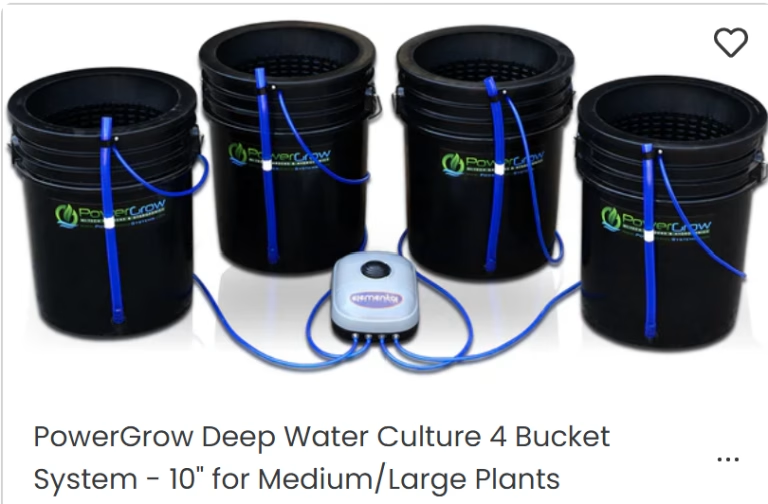
A budget DIY hydroponic garden is ideal if you enjoy tinkering and want to minimize upfront cost. You can build a simple Deep Water Culture (DWC) or Kratky‑style system using food‑grade buckets, a small air pump, net cups, basic nutrients, and a cheap thermometer.
In a Phoenix‑style environment, placing a small DIY unit indoors or in an air‑conditioned garage helps avoid heat stress while still giving you a lot of hands‑on experience. Over time, adding a pH meter or air‑stone later can lift yield and plant health without a huge upfront investment.
Mid‑range indoor kits ($150–$500)
A mid‑range kit is usually the sweet spot for beginners and urban gardeners who want better performance but don’t need full automation. These systems typically include a built‑in LED light panel, water pump, and reservoir, sometimes with a timer so you don’t have to run the pump manually.
Amazon‑sold kits like the iDOO Hydroponic Growing System, Ahopegarden Indoor Hydroponic Kit, LetPot, and Growell fall into this range (about $50–$130), offering 10–17 plant sites and enough light for herbs and leafy greens. For a household in Peoria, Arizona, pairing one of these with a small fan or clip‑on fan can manage heat and airflow while keeping operating costs manageable.
Budget-Friendly Amazon Hydroponic Kits
Amazon has a wide selection of hydroponic starter kits ranging in price and complexity. Here are top affordable choices reviewed highly by users:
- iDOO Hydroponic Growing System (~$120): Includes LED lighting, water pump, and timer for hands-off care—great for beginners.
- Ahopegarden Indoor Hydroponic Kit (~$60): Compact with 10 plant sites and energy-efficient LEDs.
- LetPot Indoor Hydroponics Growing System (~$120): 12 sites with easy water circulation, suitable for herbs and leafy greens.
- Growell Hydroponics Growing System Kit, 17 Pods (~$130): 17 sites with easy water circulation, offers two light modes: Vegetable Mode and Flower Fruits Mode.
Additional Costs to Consider
Beyond initial setup, expect to budget for:
- Nutrient solution refills: Typically $20-$50 every few months depending on garden size.
- Electricity costs: LED grow lights and pumps consume electricity, adding a few dollars to your monthly bill.
- Replacement plant pods or seeds: Plant-specific pods for systems like Click & Grow, or seeds for DIY kits.
Common cost mistakes beginners make
Avoiding a few simple missteps can keep your hydroponic budget from ballooning.
- Buying too much too soon
It’s tempting to jump straight to large reservoirs, multiple pumps, or expensive sensors before you’ve learned how your plants respond. For most beginners, a single mid‑range system and a basic pH meter are enough to start. - Under‑budgeting on lighting
Weak or undersized lights force plants to stretch and slow growth, which can feel like wasted effort and money. Aim for at least 15–30 watts per square foot using modern LEDs for a compact indoor garden. - Neglecting pH and nutrient management
Skipping pH testing or using random “houseplant” formulas can cause nutrient lockout and stunted plants. A simple pH kit or meter (around $20–$50) usually pays for itself through fewer crop failures. - Ignoring ongoing costs
New growers sometimes forget to budget for nutrient refills, electricity, and replacement pods or seeds. Plan to spend $20–$50 every few months on nutrients and pods for a small indoor system, depending on size and plant load. - Over‑automating early on
Full‑automation systems look impressive, but they can be harder to troubleshoot when something goes wrong. For many indoor growers, especially in Peoria, Arizona, simpler systems with a few manual checks are more reliable at first.
Advanced budget‑saving and performance tips
Once you understand the basics, you can fine‑tune your setup to get better yields without spending much more.
- Use timers and ventilation wisely
Running pumps and lights on timers can shave a few dollars off your monthly bill. In hot climates, using a low‑speed fan during the light cycle helps keep roots cool and reduces heat stress. - Stagger plantings and light cycles
Instead of starting everything at once, stagger seedlings or pods every 1–2 weeks so you always have something ready to harvest. This makes your setup feel more productive and reduces the need to run maximum lights all the time. - Re‑use growing media where safe
Some media like clay pebbles can be rinsed and re‑sanitized between cycles, cutting replacement costs over time. Rockwool or perlite should be replaced more often to avoid salt buildup and disease. - Batch‑buy nutrients and test kits
Buying base nutrients and pH solutions in slightly larger sizes can lower the per‑gallon cost. However, avoid buying multi‑year supplies unless you’re sure you’ll use them before they degrade. - Choose the right plants for your setup
High‑light, fast‑growing crops like lettuce, spinach, and kale give you more harvests per square foot than finicky fruiting plants. For a beginner in Phoenix, starting with greens and herbs usually provides the best return on investment and learning.
Final Thoughts: How Much to Budget?
- Basic home kits: Around $100–$300 to get you growing immediately with everything needed.
- Smart automated gardens: $125–$300 for low-maintenance, tech-enabled growing.
- More advanced or larger setups: $400 and above for custom or commercial-scale hydroponics.
Starting a hydroponic garden has never been easier or more affordable. By choosing reputable affiliate-recommended products like Click & Grow’s Smart Gardens or trusted Amazon kits, you can start growing fresh greens and herbs year-round without breaking the bank.
Start your hydroponic journey today with these smart, cost-effective options and unlock the joy of fresh, home-grown produce!
Frequently asked questions (FAQ)
Q: How much does it realistically cost to start a hydroponic garden at home?
For most beginners, a functional indoor hydroponic setup costs about $100–$300, including lights, pumps, nutrients, and basic monitoring tools. Budget‑conscious growers can dip below $100 with simple DIY reservoirs and minimal add‑ons.
Q: Is it cheaper to build a hydroponic system or buy a kit?
DIY systems are often cheaper per gallon or per plant but require more time and troubleshooting. Pre‑built kits or smart gardens cost more upfront but reduce setup complexity and plant‑loss risk, which can feel like a good value for beginners.
Q: What’s the cheapest way to start hydroponics as a beginner?
The cheapest entry is usually a small DIY reservoir (like a food‑grade bucket) with an air pump, basic nutrients, a cheap pH meter, and inexpensive LED lights. This approach can keep you under $100 while still supporting several leafy plants.
Q: How much does electricity add to a small hydroponic garden each month?
Small indoor systems typically add $1–$10 per month to an electric bill, depending on pump duty
Author note
I’m a cybersecurity engineer by day and a soil‑free gardener by night, running small hydroponic setups in my Phoenix, Arizona home to test what actually works in hot, dry indoor environments. Over the past few years I’ve built everything from $100 DIY reservoirs to mid‑range indoor kits, tracking costs, yields, and electricity use so other beginners don’t have to guess. On SoilFreeHarvest.com, I focus on clear, practical hydroponic advice that pairs good tech hygiene with real‑world growing experience.
Share this:

Discover more from Soil Free Harvest
Subscribe to get the latest posts sent to your email.