The Complete Guide to Kratky Hydroponic Method: Build Your Own DIY Passive Growing System
Growing fresh vegetables and herbs at home has never been easier thanks to the Kratky hydroponic method. This revolutionary passive hydroponics system requires no electricity, pumps, or complex equipment – making it the perfect entry point for anyone interested in soilless growing. Whether you’re a complete beginner or looking to simplify your indoor gardening setup, this comprehensive guide will teach you everything you need to know about building and maintaining your own DIY Kratky system.
What is the Kratky Hydroponic Method?
The Kratky method is a passive hydroponic system developed by Dr. Bernard Kratky at the University of Hawaii in the 1990s. Unlike traditional hydroponic systems that require pumps, aerators, or electricity, the Kratky approach is beautifully simple: plants are suspended above a nutrient solution reservoir, with their roots partially submerged in the water.
As plants consume water and nutrients, the water level naturally drops, creating an essential air gap that provides oxygen to the root system. This ingenious design eliminates the need for active aeration while maintaining optimal growing conditions. The system is often described as “set it and forget it” because once established, it requires minimal intervention until harvest time.
Benefits of the Kratky Method
The passive hydroponics approach offers numerous advantages that make it ideal for beginners and experienced growers alike:
Cost-Effective: With no electrical components, pumps, or complex equipment needed, setup costs remain extremely low – often under $30 for a complete system. Here is a good Kratky instructable guide showing the entire process of building a Kratky system.
Low Maintenance: Once your plants are established, the system operates independently with minimal monitoring required.
No Electricity Required: Perfect for off-grid locations, classrooms, or areas where power consumption is a concern.
Beginner-Friendly: The simple design eliminates many variables that can cause problems in more complex hydroponic systems.
Space Efficient: Systems can be scaled from single mason jars to larger containers, making them suitable for any growing space.
Equipment and Materials Needed
Building a DIY hydroponic system using the Kratky method requires minimal equipment. Here’s your complete materials list:
Essential Components
- Container: Choose an opaque container to prevent algae growth. Popular options include 5-gallon buckets, storage totes, or mason jars for smaller plants.
- Net Pots: 2-3 inch diameter net pots to hold your plants and growing medium.
- Growing Medium: Options include expanded clay pebbles (Hydroton), rockwool cubes, coconut coir, or perlite.
- Hydroponic Nutrient Solution: A balanced liquid fertilizer designed specifically for hydroponics.
- pH Test Kit: Essential for monitoring and adjusting nutrient solution acidity.
- pH Control Kit: Necessary to maintain optimal pH levels. Easy to use and highly regarded by hydroponics gardeners.
Tools Required
- Drill with 2-inch hole saw attachment
- Utility knife for cleanup
- Measuring cups for nutrient mixing
- Marker for marking fill lines
Optional Additions
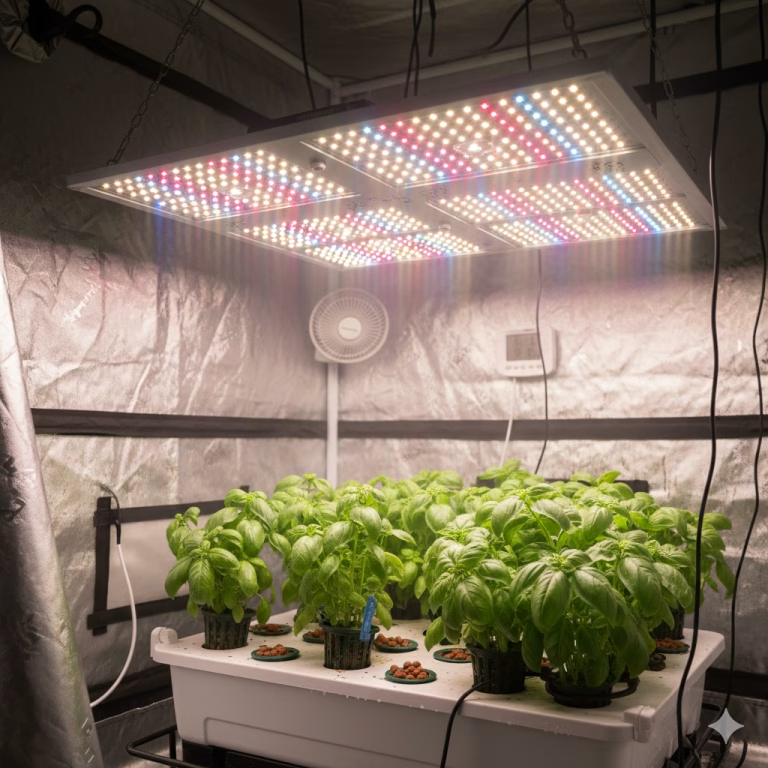
- Grow lights for indoor setups – See our recommendations for LED lights here: Top 7 LED Grow Lights for Indoor Hydroponics
- Timer for lighting schedules
- TDS/EC meter for monitoring nutrient concentration
Step-by-Step DIY Setup Instructions
Step 1: Prepare Your Container
Start by selecting an appropriately sized container. For leafy greens like lettuce, aim for approximately one gallon of capacity per plant. Using a 2-inch hole saw, drill evenly spaced holes in the container lid. For a 5-gallon bucket, 4-6 holes provide adequate spacing.
Pro Tip: If using a mason jar with 3-inch net pots, you can skip cutting holes entirely – the net cup fits perfectly in place of the standard lid.
Step 2: Light-Proof Your System
Paint or cover your container with opaque material to prevent light from reaching the nutrient solution. Clear containers promote algae growth, which competes with your plants for nutrients. Black paint, aluminum foil, or opaque covers work effectively.
Step 3: Mark Your Fill Line
The nutrient solution should only reach the bottom of your net pots initially. Mark this level on your container – typically filling to about 80% capacity leaves room for the essential air gap.
Step 4: Prepare Your Nutrient Solution
Mix your hydroponic nutrients according to manufacturer instructions. For leafy greens, target an EC of 1.2-1.6 or approximately 600-800 ppm. Always add nutrients to water, never the reverse.
Important: Start with half-strength nutrients since the solution will concentrate as water evaporates. If targeting 1500 ppm, begin with 750 ppm.
Adjust pH to 5.5-6.5 using pH adjustment solutions. This range ensures optimal nutrient uptake for most plants.
Step 5: Plant Your Seedlings
Place pre-germinated seedlings in rockwool cubes or your chosen growing medium. Position them in net pots so the growing medium just touches the nutrient solution surface. Fill around the seedling with expanded clay pebbles or your chosen medium for stability.
Step 6: Final Setup and Positioning
Place your system in a location with adequate light – either near a bright window or under grow lights providing 12-16 hours of illumination daily. Maintain temperatures between 65-75°F for optimal growth.
Best Plants for the Kratky Method
The Kratky method setup works exceptionally well with specific types of plants. Success rates are highest with crops that have shorter growing cycles and don’t require extensive root systems.
Ideal Crops
Leafy Greens: Lettuce varieties (romaine, butterhead, leaf lettuce), spinach, and kale thrive in Kratky systems. These crops mature quickly and have moderate nutrient requirements.
Herbs: Basil, cilantro, parsley, and mint are excellent choices for mason jar hydroponics. Their compact size makes them perfect for smaller containers.
Microgreens: Fast-growing microgreens provide quick harvests and work well in smaller setups.
Suitable with Modifications
Cherry Tomatoes: While possible, tomatoes require larger containers (5+ gallons) and careful nutrient management.
Peppers: Small pepper varieties can succeed but need extended growing periods.
Plants to Avoid
Large Fruiting Plants: Full-size tomatoes, cucumbers, and squash typically outgrow Kratky systems before fruiting.
Root Vegetables: Carrots, potatoes, and similar crops don’t adapt well to this growing method.
Nutrient Solution Guide
Proper hydroponic nutrients management is crucial for Kratky system success. The key difference from other hydroponic methods is accounting for nutrient concentration as water evaporates.
Mixing Instructions
For general leafy green production, use these ratios per gallon of water:
- Nitrogen (N): 150-200 ppm
- Phosphorus (P): 30-50 ppm
- Potassium (K): 200-250 ppm
- Calcium (Ca): 120-150 ppm
- Magnesium (Mg): 40-60 ppm
Most commercial hydroponic fertilizers come in 2 or 3-part liquid formulations. Follow manufacturer guidelines, but remember to start at half-strength for Kratky systems.
pH Management
Maintain pH between 5.5-6.5 for optimal nutrient availability. Test pH after mixing all nutrients, as fertilizers can alter water chemistry. Use pH adjustment solutions (pH Up or pH Down) to fine-tune levels.
Concentration Strategy
Since water evaporates but nutrients remain, solution strength increases over time. Start with lower concentrations (50-75% of recommended strength) to prevent nutrient burn as the growing cycle progresses.youtube
Maintenance and Care
One of the greatest advantages of passive hydroponics is minimal maintenance requirements. However, some basic care ensures optimal results.
Water Level Monitoring
Check water levels weekly, especially during warm weather when evaporation accelerates. The key principle: never refill the reservoir once plants are established. The decreasing water level creates the essential air gap for root oxygenation.
Harvesting Techniques
Leafy Greens: Harvest outer leaves first, allowing center growth to continue. Cut leaves rather than pulling to avoid root damage.
Herbs: Pinch or cut stems just above leaf nodes to encourage bushy growth.
System Cleaning
After each growing cycle, thoroughly clean and sanitize all components:
- Remove plant material and roots from net cups
- Wash containers with warm, soapy water
- Sanitize with diluted bleach solution (1 teaspoon per quart of water)
- Rinse thoroughly and air dry before reuse
Common Problems and Troubleshooting
Even with its simplicity, Kratky systems can encounter issues. Understanding common problems helps maintain healthy plants.
Algae Growth
Symptoms: Green water, slimy buildup on container walls
Causes: Light penetration into the nutrient solution
Solutions: Ensure complete light blocking of containers. Clean the system and replace the solution if algae appears
Root Rot
Symptoms: Brown, mushy, foul-smelling roots
Causes: Lack of oxygen due to overfilled containers or high temperatures
Prevention: Maintain proper air gap and keep systems in cool locations (65-75°F)
Nutrient Deficiency
Symptoms: Yellowing leaves, slow growth, pale new growth
Causes: Weak initial nutrient solution or incorrect pH
Solutions: Check and adjust pH to 5.5-6.5 range. Ensure proper nutrient concentrations
Stunted Growth
Symptoms: Plants remain small despite adequate time
Causes: Insufficient light, wrong plant variety, or nutrient imbalances
Solutions: Provide 12+ hours of bright light daily. Choose appropriate crops for container size
Tips for Kratky Method Success
Lighting Optimization
For indoor gardening setups, provide 12-16 hours of grow light exposure daily. LED grow lights offer energy efficiency and can be timer-controlled for consistency.
Staggered Planting
Rather than planting everything simultaneously, stagger plantings by 1-2 weeks. This approach provides continuous harvests and prevents overwhelming abundance of mature plants.
Container Size Matters
Match container size to plant requirements. Mason jars work for herbs and small lettuces, while leafy greens benefit from 1-gallon containers per plant.
Temperature Control
Maintain growing area temperatures between 65-75°F. Higher temperatures increase evaporation rates and promote root rot.
Seed Starting
Begin with pre-germinated seedlings rather than direct seeding. Start seeds in rockwool cubes or similar medium before transferring to your Kratky system.
Advanced Techniques
Multiple Plant Systems
Larger containers can support multiple plants with proper spacing. Maintain 6-8 inches between plants for adequate growth space.
Seasonal Considerations
Summer: Increase monitoring frequency due to higher evaporation rates. Provide shade to prevent overheating.
Winter: Reduce nutrient strength slightly as growth slows. Consider supplemental heating for consistent temperatures.
Scaling Up Production
Successful small-scale systems can be expanded using storage totes or custom-built containers. Maintain the same principles while accommodating more plants.
Conclusion
The Kratky hydroponic method offers an incredibly accessible entry point into soilless growing that anyone can master. By eliminating the complexity of pumps, aerators, and electrical systems, this passive approach lets you focus on the fundamentals of plant growth while enjoying fresh, homegrown produce.
Whether you start with a simple mason jar herb garden or scale up to larger lettuce production, the principles remain the same: provide proper nutrition, maintain adequate lighting, and let the system work naturally. The minimal investment required and forgiving nature of this method make it perfect for beginners, while its scalability appeals to experienced growers seeking low-maintenance solutions.
Ready to start your own passive hydroponic garden? Gather your materials, follow these step-by-step instructions, and experience the satisfaction of growing fresh vegetables and herbs with this remarkable “set and forget” system. Your journey into beginner hydroponics starts with a single seed and the proven simplicity of the Kratky method.
Share this:

Discover more from Soil Free Harvest
Subscribe to get the latest posts sent to your email.






4 Comments