Hydroponic Buffer Plants: How “Bodyguard” Plants Protect and Stabilize Your System
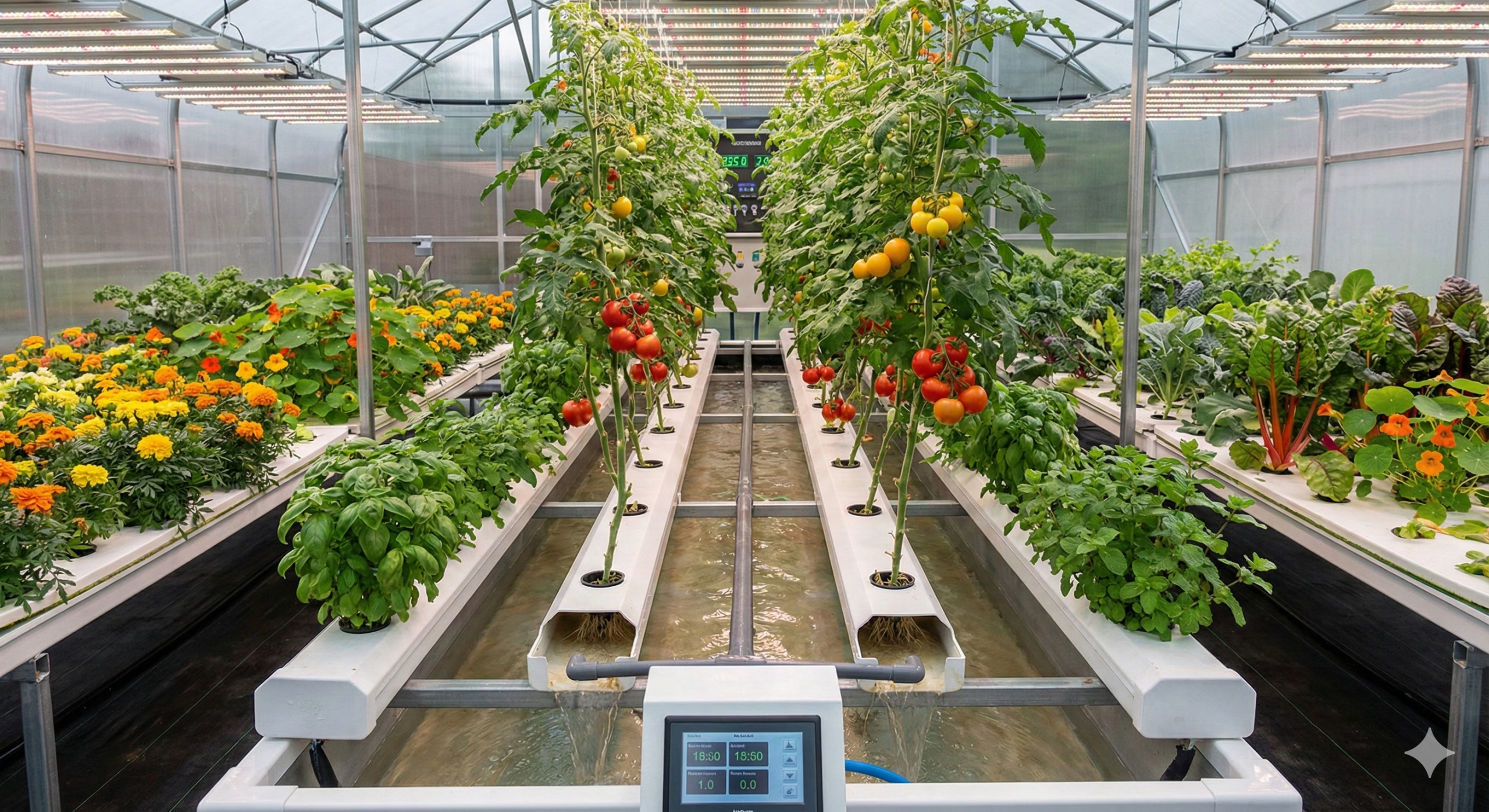
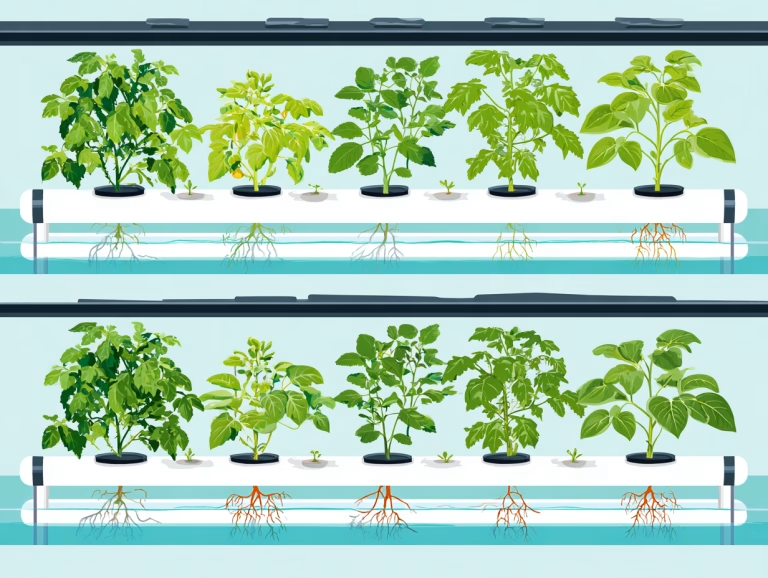
Hydroponic buffer plants are one of those quiet, behind‑the‑scenes strategies that can dramatically stabilize your system and protect your main crop. Think of them as bodyguard plants: they absorb stress, attract pests away, and smooth out nutrient and pH swings so your high‑value plants can thrive.
This guide explains what hydroponic buffer plants are, why they matter, how to choose them, and how to use them in real systems (Kratky, DWC, NFT, vertical towers, and more) in a way that is beginner‑friendly.
What Are Hydroponic Buffer Plants?
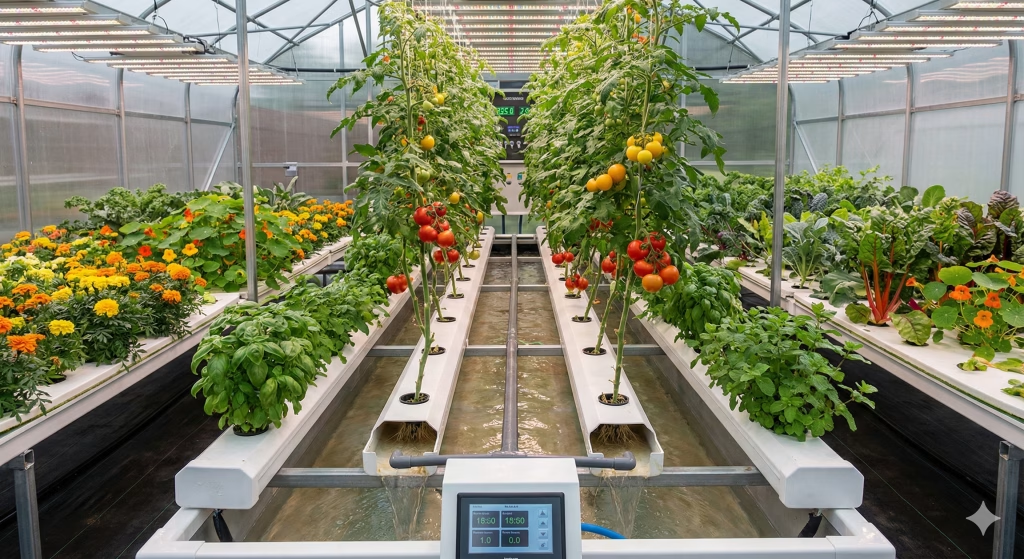
Hydroponic buffer plants are secondary plants intentionally added to a system to:
- Stabilize nutrient and pH conditions
- Absorb stress (nutrient spikes, imbalances, early pests) before they hit the main crop
- Protect valuable plants by acting as sacrificial or trap plants
- Fill empty sites so the system remains biologically active and algae stays under control
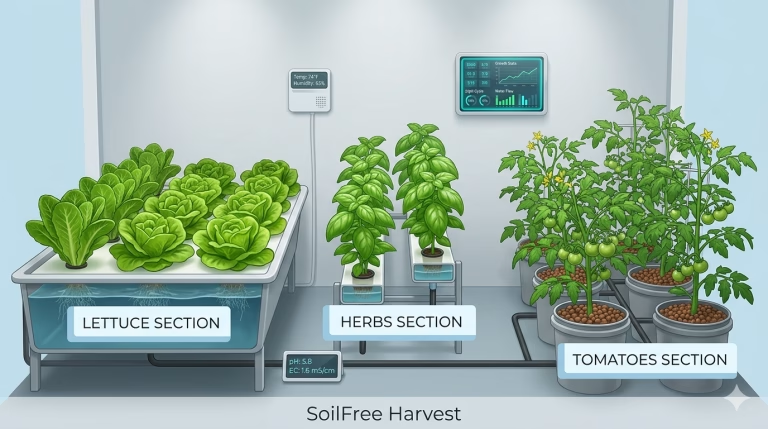
Instead of running a system with only your high‑value crop (for example, tomatoes or strawberries), you add hardy, fast‑growing, low‑value plants that serve as a buffer between your system’s fluctuations and your main crop’s health.
In soil gardening, similar ideas show up as trap crops, sacrificial plants, and buffer strips. In hydroponics, the same idea is adapted to channels, buckets, towers, and rafts.
Why Hydroponic Buffer Plants Matter
1. Nutrient and EC Stability
Hydroponic nutrients can swing quickly, especially in small reservoirs or systems with heavy‑feeding plants. Buffer plants:
- Take up nutrients gradually, helping smooth out sudden increases in EC
- Reduce the risk of nutrient burn on sensitive young plants
- Keep the system biologically active even when the main crop is partially harvested
If you change nutrient strength or test a new formula, having buffer plants in the system spreads risk—they take the first hit if you overshoot.
2. pH Smoothing
Certain plant mixes can help reduce extreme swings by:
- Providing more consistent nutrient uptake across different ions
- Creating a more stable biological environment at the root level
- Maintaining continuous root activity even when you harvest your main crop
This does not replace proper pH management, but it reduces the severity and speed of swings, which is especially helpful in small home systems.
3. Pest and Disease Buffer (Trap and Sacrificial Plants)
Some plants are much more attractive to pests than your main crop. When used hydroponically as buffer plants, they:
- Attract aphids, whiteflies, thrips, and other pests away from your main plants
- Act as sacrificial plants that you remove and discard once heavily infested
- Create a “first line of defense” at the system edges or access areas
This is a hydroponic equivalent of planting nasturtiums or marigolds around a garden bed—but adapted to channels, buckets, and towers.
4. Microclimate & Light Buffer
Buffer plants also help manage the micro‑environment:
- Shade the reservoir and exposed media, reducing algae growth
- Increase transpiration, which can raise local humidity around sensitive plants
- Reduce harsh light at the edge of channels or towers
This is especially useful in bright, dry climates or when using powerful indoor grow lights.
5. Operational Flexibility
When you harvest, your system can suddenly go from fully planted to half‑empty. Buffer plants:
- Keep roots in the system at all times, stabilizing the biology and nutrient draw
- Let you rotate harvests without leaving “dead sections” that invite algae and pests
- Provide bonus harvests of herbs or greens that might not be the main crop but still have value
Best Use Cases for Hydroponic Buffer Plants by System Type
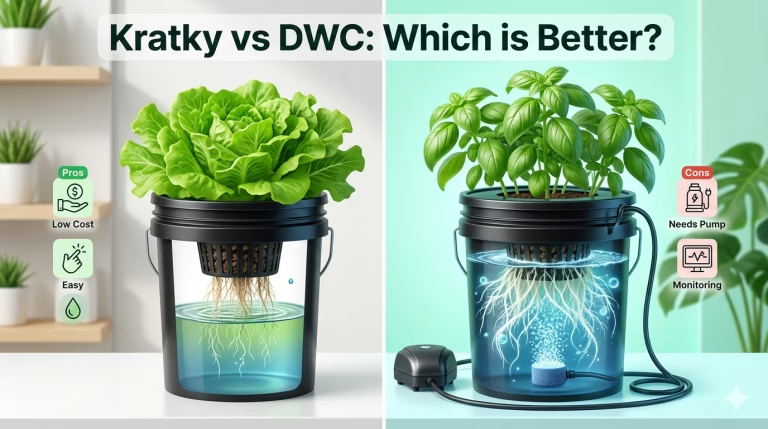
Kratky Jars and Small DIY Systems
In mason jars, buckets, and small totes:
- Use fast, hardy plants like lettuce, bok choy, or basil as buffers
- Place them in adjacent jars or shared lids around more sensitive plants
- Let them take the hit if you are experimenting with stronger nutrients or new formulations
Deep Water Culture (DWC) Buckets and Rafts
In DWC:
- Use buffer plants in extra net pot sites on rafts or bucket lids
- Surround heavy feeders (like tomatoes, cucumbers, peppers) with leafy greens or herbs that are less sensitive
- Use buffer plants to cover unused holes, preventing light from hitting the solution and feeding algae
NFT Channels
In NFT systems:
- Place buffer plants at channel inlets or at the ends where conditions can be more variable
- Use fast‑maturing greens as buffers around long‑cycle crops like strawberries or tomatoes
- Dedicate one channel as a “buffer channel” for sacrificial or experimental plants
Vertical Towers
In towers:
- Plant hardier, fast‑growing plants on the outer or lowest pockets as buffers
- Keep more sensitive or high‑value plants in the most stable zones (center or mid‑height)
- Use buffer plants to absorb excess light and protect more delicate varieties in high‑intensity setups
Types of Hydroponic Buffer Plants (With Examples)
1. Nutrient & pH Buffer Plants
These plants are:
- Fast‑growing
- Fairly tolerant across a wide EC and pH range
- Easy to replace
Common choices include:
- Leafy greens: lettuce, romaine, oakleaf, Swiss chard, bok choy, kale
- Herbs: basil, mint (in a controlled way), oregano, thyme
- Asian greens: tatsoi, mizuna, komatsuna
These are ideal for filling unused sites and absorbing moderate nutrient excess while staying relatively forgiving.
2. Pest Buffer and Trap Plants (Sacrificial Plants)
These plants are purposely attractive to pests and may not always be your main crop:
- Nasturtium (aphids, caterpillars) – can be adapted into hydroponics using net cups and proper support
- Mustard greens – highly attractive to flea beetles and some aphids
- Pak choi / bok choy – soft foliage draws pests away from tougher leaves
- Certain ornamentals (in a side system) – decorative but sacrificial
In many cases, these are grown in adjacent hydroponic units or buffers around the main system, rather than sharing the same reservoir, to prevent pests from freely moving between roots.
3. Disease & Airflow Buffer Plants
Tall or upright plants used to:
- Create physical spacing between disease‑prone crops
- Slightly redirect airflow and humidity patterns around sensitive plants
Examples:
- Bushy herbs: basil, parsley, coriander (cilantro)
- Upright greens: Swiss chard, kale
These are best used to separate rows or clusters of plants that are known to be prone to the same mildew or fungal issues.
4. Algae and Light Buffer Plants
Any plant used specifically to:
- Fill net pots that would otherwise be open to light
- Shade nutrient surfaces to minimize algae growth
Ideal picks:
- Quick greens (baby lettuce, spinach where climate allows)
- Compact herbs (thyme, small basils)
Here, the primary goal isn’t harvest—it’s light exclusion and biological activity.
How to Choose the Right Hydroponic Buffer Plants
When selecting hydroponic buffer plants, use these criteria:
- Hardiness: Can the plant tolerate small mistakes in EC, pH, and temperature?
- Compatible nutrient profile: Does it thrive at similar EC and pH levels as your main crop?
- Growth speed: Faster plants respond more quickly to nutrient changes and provide a better buffer.
- Root behavior: Fibrous but manageable roots are ideal; avoid root systems that clog channels.
- Sacrificial value: You should be comfortable discarding them if pests or issues appear.
- Edibility/marketability: Bonus points if you can eat or sell the harvest.
For most home and small commercial systems, leafy greens and herbs are the safest overall choice.
Where to Place Hydroponic Buffer Plants for Maximum Effect
Nutrient and pH Buffer Placement
For general system stability:
- Distribute buffer plants evenly throughout the system
- Prioritize edge sites, unused holes, and upstream sections
- Keep at least a small percentage (for example, 10–20% of sites) filled with hardy plants that you do not mind removing or replacing frequently
This helps ensure that if you change nutrients or experience a spike, some plants are always ready to absorb it.
Pest Buffer and Trap Crop Placement
For pest buffering:
- Place sacrificial or trap plants closest to entry points: doors, vents, or system edges
- Keep them slightly away from the high‑value plants, ideally in a separate reservoir or side system
- Inspect them regularly—if they show heavy pest presence, remove and replace instead of letting pests spread
Microclimate and Algae Buffer Placement
For microclimate and algae control:
- Use buffer plants to cover any open net pot holes or unused sites
- Place them on upper or most light‑exposed levels in towers
- Use them along the edges of raft or DWC lids where sunlight or grow light hits most directly
Step‑by‑Step: How to Add Buffer Plants to Your Existing Hydroponic System
Step 1: Define the Purpose
Decide what you are trying to buffer:
- Nutrient/EC fluctuations
- pH swings
- Pests (trap/sacrificial plants)
- Algae and light exposure
- Harvest gaps and empty sites
Your goal determines which plants you select and where you place them.
Step 2: Select Buffer Plant Species
Examples by goal:
- For nutrient & pH stability: fast greens like lettuce, bok choy, Swiss chard; basil for herbs
- For pest buffering: nasturtiums, mustard greens, pak choi (in a side system or strategic positions)
- For algae control: any compact green that fills space and covers exposed media
Step 3: Start Seeds or Cuttings
- Germinate in rockwool, peat plugs, or similar inert media
- Maintain them in a nursery tray or small starter system until they have robust roots
- Avoid introducing weak seedlings as buffers—they will struggle to perform their role
Step 4: Integrate Into the Main System
- Transplant buffer plants into unused sites and edges first
- If experimenting with new nutrients, place buffer plants near main flow paths so they experience the same conditions as your main crop
- For pest buffers, position sacrificial plants in easy‑to‑reach, easy‑to‑remove spots
Step 5: Monitor and Adjust
Watch for:
- EC and pH trends: Are swings slowing down or becoming less extreme?
- Plant health differences: Do buffer plants show stress before the main crop?
- Pest distribution: Are pests clustering on sacrificial plants as intended?
Be ready to:
- Cull and replace buffer plants regularly
- Trim roots if they start clogging channels or pumps
- Increase or decrease the number of buffer plants depending on system response
Common Mistakes When Using Hydroponic Buffer Plants
- Using the same high‑value crop as both buffer and main plant
- If everything is identical, you lose the “early warning” and sacrificial effect.
- Letting buffer plants overgrow and shade main crops
- Aggressive herbs or greens can block light and airflow if not pruned.
- Ignoring reservoir capacity
- Too many heavy‑feeding buffer plants can strip nutrients and starve the main crop if you don’t adjust dosing.
- Leaving infested sacrificial plants in place for too long
- Once sacrificial plants are heavily infested, remove them quickly to prevent pests from migrating.
- Mixing radically incompatible crops in the same reservoir
- For example, pairing cool‑loving lettuce with warm‑loving tomatoes in tight conditions may force one to live outside its comfort zone.
Examples of Good Hydroponic Buffer Plant Pairings
- Tomatoes or peppers as main crop
- Buffer plants: basil, lettuce, Swiss chard on system edges or in adjacent channels
- Benefit: extra nutrient uptake, some pest distraction, bonus harvest of herbs and greens
- Strawberries as main crop (NFT or tower)
- Buffer plants: baby lettuces, small herbs in less ideal pockets
- Benefit: protect strawberries from harsh light, stabilize nutrient uptake, fill odd sites
- Leafy greens as main crop (commercial raft or NFT)
- Buffer plants: faster‑cycling greens or herbs placed at channel starts and ends
- Benefit: system stays active between harvests; early warning if nutrient recipes change
Frequently Asked Questions About Hydroponic Buffer Plants
What are hydroponic buffer plants?
Hydroponic buffer plants are secondary, intentionally chosen plants grown alongside your main crop to stabilize the system. They help manage nutrient, pH, pest, and light fluctuations, acting as sacrificial or protective plants so your high‑value crops experience less stress.
Are buffer plants the same as hydroponic companion plants?
They are related but not identical.
- Hydroponic companion plants are chosen for mutual benefits such as odor masking, pest repelling, or flavor improvement.
- Buffer plants focus on absorbing stress and smoothing out system conditions, even if they are ultimately discarded.
Some plants can be both companion and buffer—for example, basil grown with tomatoes can improve aroma, attract certain insects away, and help stabilize nutrients.
Can buffer plants prevent all pH and EC issues?
No. Buffer plants reduce the speed and severity of swings, but they do not replace:
- Proper nutrient mixing
- Regular reservoir top‑offs and water changes
- pH monitoring and adjustments
Treat them as one tool in your system‑stability toolkit, not a magic fix.
What are the best hydroponic buffer plants for beginners?
For most beginners, the best hydroponic buffer plants are:
- Lettuce (any simple variety)
- Bok choy or pak choi
- Swiss chard
- Basil and other common culinary herbs
They are fast, forgiving, and easy to harvest or discard as needed.
Do buffer plants need to be in the same reservoir as the main crop?
Not always.
- For nutrient and pH buffering, sharing a reservoir makes sense, as they need to experience the same conditions.
- For pest buffering, a separate but nearby system often works better, so pests target those plants first while limiting root‑zone cross‑contamination.
Design the layout according to the type of buffering you need most.
Final Thoughts
Hydroponic buffer plants are a simple, low‑cost strategy that can:
- Protect crops from pests and sudden changes
- Smooth out nutrient and pH shifts
- Keep systems biologically active between harvests
- Turn empty sites into either functional or edible plantings
By treating certain plants as intentional buffers instead of accidental extras, you gain more control over how your hydroponic system behaves—especially under stress.
Start small: add a ring of hardy greens or herbs around your main crop, monitor how your system responds, and then gradually refine your mix of hydroponic buffer plants to match your climate, equipment, and goals.
Chart of Common Hydroponic Buffer Plants, Pros/Cons, and Compatibility
This chart compares hydroponic buffer plants by role, pros, cons, and compatibility considerations.
| Buffer Plant | Primary Buffer Role(s) | Key Pros | Key Cons | Best Paired With (Main Crops) | Compatibility & System Notes |
|---|---|---|---|---|---|
| Lettuce (leaf & romaine types) | Nutrient/pH buffer, algae/light buffer | Fast growth, forgiving, low EC needs, fills empty sites, highly edible | Heat sensitive, can get tip burn at high EC, not a strong pest trap | Most leafy greens, strawberries, tomatoes, peppers (in moderate EC systems) | Works in DWC, NFT, Kratky, and towers; ideal for shared reservoirs where moderate EC (around leafy‑green range) is used. Avoid very warm, high‑EC fruiting solutions. |
| Bok choy / Pak choi | Nutrient/pH buffer, sacrificial pest buffer | Very fast growth, tolerates EC changes, soft foliage attracts pests away from more valuable plants, upright habit | Bolts in heat, flea beetles and aphids can build up quickly if not monitored | Leafy green systems, mixed herb beds, side channels near brassicas or Asian greens | Good in DWC and NFT; fine to share reservoir with greens. For pest‑trap use, consider a side system or easily removable positions at channel edges. |
| Swiss chard | Long‑term nutrient buffer, microclimate buffer | Long‑lived, wide pH and EC tolerance, continuous nutrient uptake, strong visual indicator of deficiencies | Can get tall and shade neighbors, large roots in smaller channels, slower to start than lettuce | Tomatoes, peppers, cucumbers, mixed salad systems needing a “steady anchor” plant | Best in DWC, rafts, and large towers. Works in shared reservoirs with fruiting crops at mid to high EC; prune leaves and roots to avoid shading and clogging. |
| Kale (dwarf/curly types) | Nutrient buffer, disease/airflow buffer | Hardy, robust leaves, handles cooler temps, long harvest window, good “bridge crop” between cycles | Can get bulky, may overshadow smaller plants, slower early growth than lettuce | Brassicas, leafy greens, mixed towers with strawberries or herbs | DWC, NFT, and towers. Shares reservoir well with greens and moderate‑EC fruiting crops. Space it so it doesn’t block light and airflow. |
| Basil | Nutrient buffer, microclimate buffer, mild companion effect | Aromatic companion to tomatoes/peppers, good nutrient uptake, high culinary value, bushy habit adds separation between plants | Prefers warm temps and mid‑to‑high EC, can suffer in cool or low‑EC systems, big roots in confined NFT channels | Tomatoes, peppers, eggplant, strawberries in warm systems | Great in DWC buckets, rafts, and vertical towers. Works best when reservoir is tuned for fruiting crops. For pure leafy‑green systems, it may want slightly richer nutrients than lettuce. |
| Mint (contained carefully) | Aggressive nutrient buffer, microclimate buffer | Extremely vigorous, easy to propagate from cuttings, continuous biomass production, strong aroma | Highly invasive roots can clog channels and pumps, can dominate system space, flavor not always desired in large quantities | Fruit crops (tomatoes, peppers) in separate pots or isolated tower pockets | Use in separate or isolated net cups (with root pruning) in DWC or towers. Avoid free access to shared NFT channels. Ideal where strong buffering and “extra insurance” against nutrient spikes is needed. |
| Parsley (flat or curly) | Long‑term nutrient buffer, microclimate buffer | Compact but sturdy, long‑lasting, tolerates a wide pH range, good for edging channels or towers | Slow to germinate and establish, responds slowly to nutrient changes, not a strong pest attractor or repellent | Mixed herb systems, leafy greens, strawberries, and tomatoes | Works well in DWC, rafts, and towers; fine in shared reservoirs with greens or fruiting crops. Best used as a steady “background” buffer around more sensitive plants. |
| Cilantro (coriander) | Short‑term nutrient buffer, light/algae buffer | Quick early growth in cool conditions, feathery canopy shades media and solution, extra harvest value | Bolts quickly in warm environments, short life cycle, sensitive to high EC and heat | Cool‑season lettuce, spinach, Asian green systems | Good in DWC and NFT during cooler seasons or in climate‑controlled rooms. Share reservoirs with cool‑loving greens only; avoid hot, high‑EC fruiting setups. |
| Thyme / Compact woody herbs | Algae/light buffer, minor nutrient buffer | Very compact, ideal for filling random empty sites, woody structure resists rot, high culinary value | Slow to grow, modest nutrient uptake (weak buffer effect), prefers lower humidity and good airflow | Strawberry towers, tomato/herb combos, decorative mixed systems | Best as edge or decorative buffer in towers and at raft edges, mainly to block light and add diversity. Works in shared reservoirs but won’t meaningfully stabilize EC on its own. |
| Nasturtium | Sacrificial pest buffer (trap crop), microclimate buffer | Exceptional aphid trap, edible flowers and leaves, vines can shade sensitive plants or reservoirs, strong visual indicator of pest pressure | Vining habit needs support, can become pest “magnet” if not removed in time, moderate to heavy feeder | High‑value fruiting crops (tomatoes, peppers, cucumbers, strawberries) as a perimeter or side‑system trap crop | Often better in a separate but neighboring system or in peripheral net pots for easy removal. Limit root access in NFT; supervise closely and cull when pest pressure is high. |
| Mustard greens | Sacrificial pest buffer (especially flea beetles, some aphids) | Extremely attractive to certain pests, very fast growth, good for testing new nutrient mixes | Can host large pest populations quickly, strong flavor and scent not always wanted, susceptible to similar diseases as other brassicas | Brassica‑heavy systems (kale, bok choy) and as a dedicated trap crop near leafy greens | Preferably grown in a side system or a limited number of buffer sites. Share reservoirs cautiously with crops that share disease risks; monitor and dispose of infested plants quickly. |
| Baby leaf mixes / generic salad mixes | Nutrient/pH buffer, algae/light buffer | Diverse root activity, very fast growth, cheap seed, ideal for filling all empty net pots, constant harvest | Mixed maturity and growth habits, can be uneven in appearance, not targeted for specific pests or companions | Any leafy‑green or mixed‑crop system needing continuous buffering and fast turnover | Excellent in DWC rafts, NFT channels, and towers. Works in the same reservoir as almost any leafy‑green‑friendly EC range. Great “universal” buffer when you just need roots and foliage occupying spare space. |
Share this:

Discover more from Soil Free Harvest
Subscribe to get the latest posts sent to your email.






One Comment