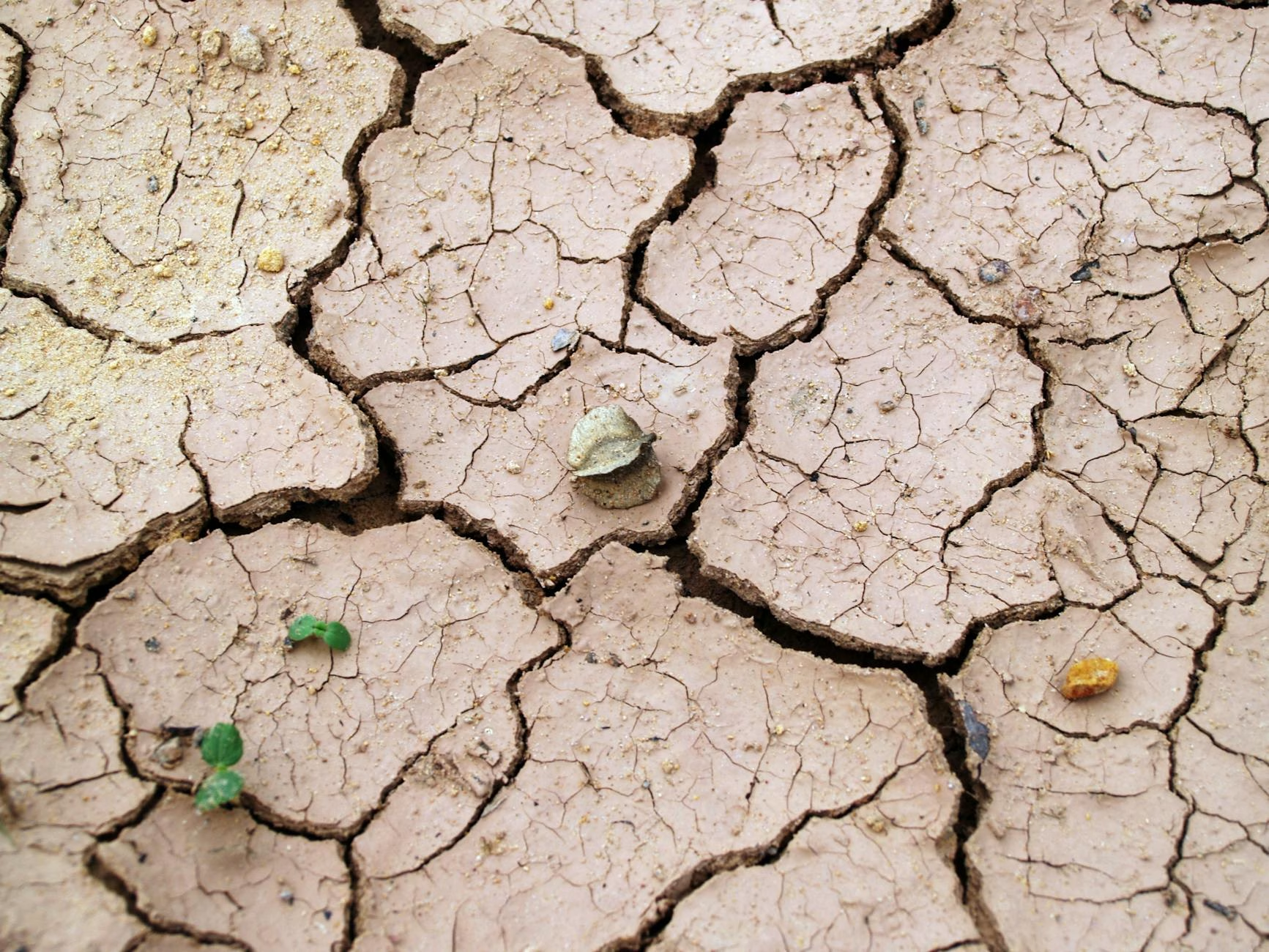
Water-Efficient Hydroponics: Preparing for Drought and Water Shortages
As water scarcity becomes a growing global concern, sustainable and water-efficient methods for growing food are more critical than ever. Hydroponics, a soil-less cultivation technique using nutrient-rich water solutions, offers an innovative solution to conserve water while growing healthy crops. This method can reduce water use by up to 90 to 95 percent compared to traditional farming practices, making it ideal for drought-prone regions and areas facing water shortages.
This comprehensive guide explores how water-efficient hydroponic systems can help you prepare for drought conditions, highlights the best water-saving hydroponic setups, and introduces practical techniques and affiliate product recommendations to maximize water savings and crop yields.
Affiliate Disclosure: This article contains affiliate links. If you purchase through these links, soilfreeharvest.com may earn a small commission at no extra cost to you.
Why Choose Water-Efficient Hydroponics?
Traditional soil-based agriculture consumes vast amounts of water, with much lost through evaporation, runoff, and inefficient irrigation. Hydroponics reduces this loss dramatically by recirculating water through closed-loop systems, delivering precise nutrients directly to plant roots.
Benefits Overview:
- Cuts water consumption by approximately 90 to 95 percent
- Provides year-round growing capability regardless of external drought conditions
- Optimizes nutrient delivery for maximum growth and quality
- Decreases the environmental footprint of food production
For gardeners new to soilless cultivation, visit our detailed guide on What is Hydroponic Gardening Beginners Guide to get started with the right setup.
Water-Saving Hydroponic Systems Explained
Hydroponic systems vary by design, each with unique water efficiency advantages. Understanding these can help you select the best system for your needs.
Deep Water Culture (DWC)
DWC suspends plant roots in oxygenated nutrient water. This system uses continuous recirculation, minimizing water waste and ensuring plants receive consistent nutrition and hydration. It is scalable from home setups to commercial farms.
For more information on DWC check out our full posting here: Complete Guide to DWC Hydroponics: How to Master Deep Water Culture
Nutrient Film Technique (NFT)
NFT uses a thin flowing film of nutrient solution over roots housed in sloped channels. This recirculating flow conserves water while providing oxygen and nutrients simultaneously, especially suitable for leafy greens and herbs.
For more information on NFT check out our full posting here: Complete Guide to NFT Hydroponics Systems
Aeroponics
Aeroponic systems mist roots with a nutrient spray in a highly oxygenated environment, leading to water savings up to 98 percent. Fast growth rates and high yields make it an elite choice for growers with limited water resources.
Wick Systems
The simplest setup, wick systems use strings to draw water from a reservoir to plant roots through capillary action. While less high-tech, they offer water-efficient cultivation for gardens.
Drip Irrigation with Recirculation
This targeted watering technique delivers nutrient solution dropwise to each plant, minimizing water loss. When combined with recirculation, it balances efficiency with flexibility for various crops.
Advanced Techniques for Water Conservation
Innovative strategies beyond system design can improve water efficiency in your hydroponic garden.
Reusing Grey Water

Water reuse in hydroponics is gaining momentum, with filtered and treated grey serving as a sustainable water source, reducing dependence on freshwater supplies.
This book is a good resource for reusing grey water, including Ludwig’s “Laundry to Landscape System” – The New Create an Oasis with Greywater 6th Ed: Integrated Design for Water Conservation, Reuse, Rainwater Harvesting, and Sustainable Landscaping
Rainwater Harvesting Integration
Collecting rainwater is a cost-effective way to supplement hydroponic reservoirs, decreasing municipal water consumption. An excellent book on how to get started is Harvesting Rainwater for Your Home: Design, Install, and Maintain a Self-Sufficient Water Collection and Storage System.
Capturing and Recycling Plant Vapor
Plants transpire and release water vapor. Capturing this vapor via condensation systems in greenhouses or indoor environments recycles water to conserve resources.
Preparing for Drought with Hydroponics
Adopting hydroponics is a proactive approach to drought resilience. To maximize benefits:
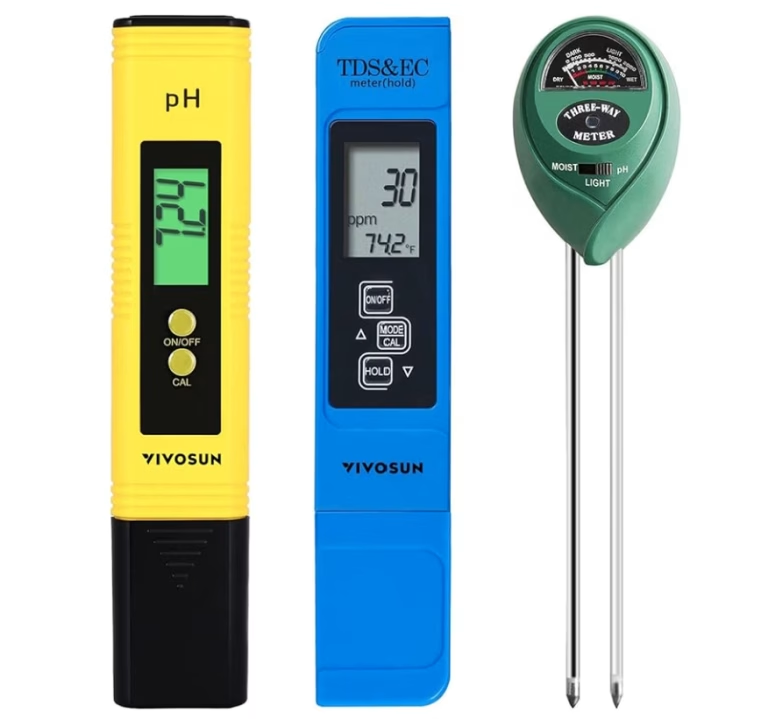
- Use water sensors to track levels and quality, avoiding overwatering.
- Automate nutrient and water delivery with timers and sensors for precise control.
- Optimize plant density and select drought-tolerant crop varieties.
- Monitor environmental conditions closely to adjust the system as needed.
Explore our article, Beginner’s Guide to Hydroponic Automation, to find automation tools that fits your gardening style.
Top Crops for Water-Efficient Hydroponic Growing
Many vegetables and herbs thrive in water-efficient systems, including:
- Leafy greens: lettuce, spinach, kale
- Herbs: basil, mint, cilantro
- Fruit vegetables: tomatoes, cucumbers, peppers
- Small fruits: strawberries
Frequently Asked Questions (FAQ)
What is water-efficient hydroponics?
Water-efficient hydroponics is a method of growing plants without soil, using nutrient-rich water solutions that recirculate to minimize water waste. It can reduce water usage by up to 90 to 95 percent compared to traditional farming.
How does hydroponics help prepare for drought and water shortages?
Hydroponic systems use closed-loop water recirculation and precise nutrient delivery, which drastically lowers water consumption, making them ideal for drought-prone and water-scarce regions.
Which hydroponic systems are best for water conservation?
Systems such as Deep Water Culture (DWC), Nutrient Film Technique (NFT), and aeroponics are among the most water-efficient due to their recirculating designs and minimal water loss.
Can hydroponics be automated to save water?
Yes, automation with sensors and timers ensures precise watering and nutrient delivery, reducing overuse and wastage of water in hydroponic farming.
Are hydroponic systems suitable for beginners wanting to save water?
Yes, simple wick systems and drip irrigation hydroponics are affordable, water-efficient, and easy to set up for beginners.
How can rainwater collection be integrated into hydroponics?
Rainwater can be harvested and stored in tanks to supply hydroponic systems, reducing reliance on municipal water and improving sustainability.
What crops grow well in water-efficient hydroponic systems?
Leafy greens, herbs, vegetables like tomatoes and cucumbers, and many small fruits thrive in hydroponic systems designed for water conservation.
Where can I find water-saving hydroponic equipment?
Affiliate links on SoilFreeHarvest.com provide access to recommended water-efficient hydroponic systems, nutrient solutions, automation kits, and rainwater harvesting equipment.
Share this:

Discover more from Soil Free Harvest
Subscribe to get the latest posts sent to your email.





One Comment