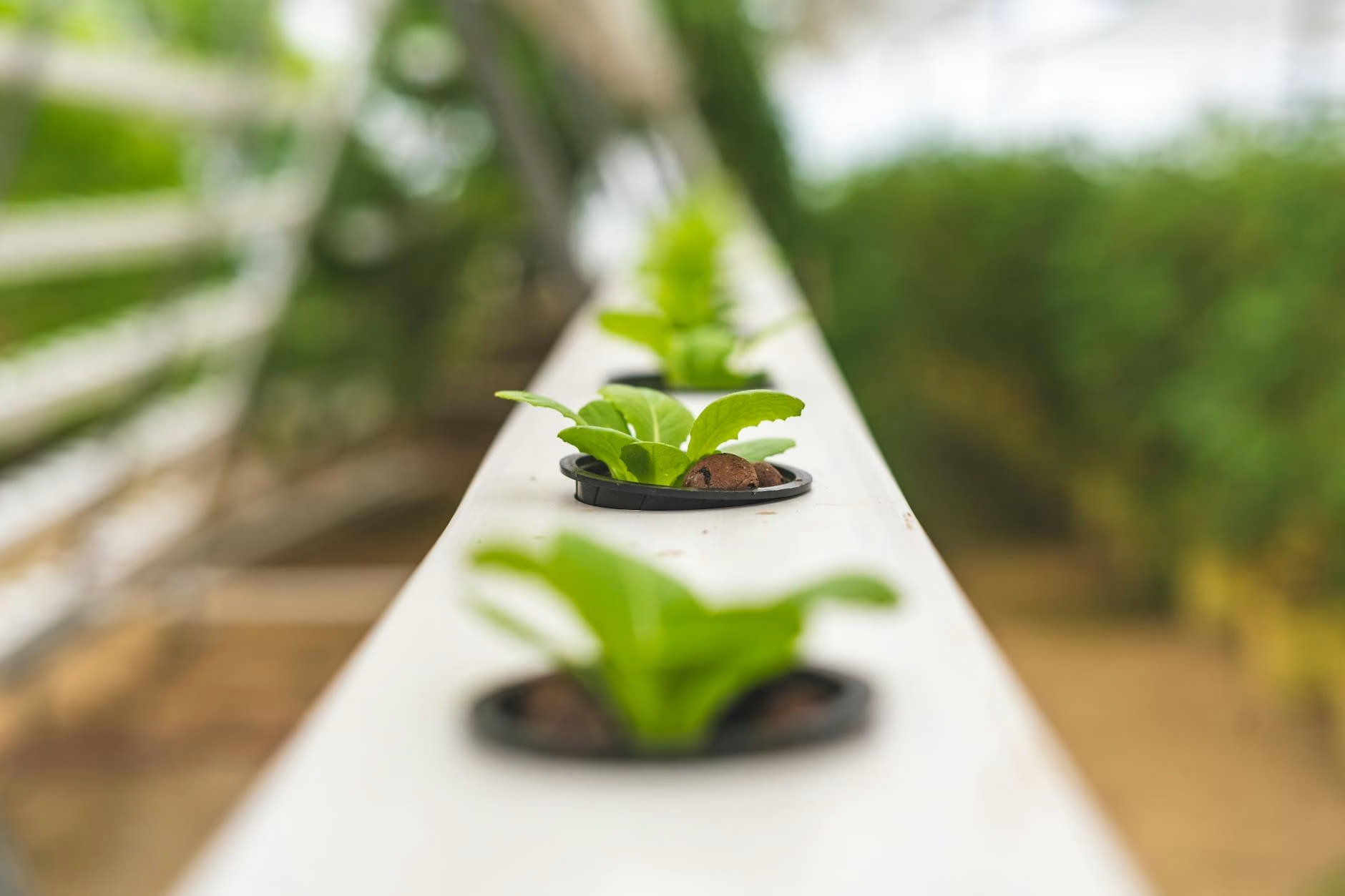
Hydroponic Seed Starting Guide
Starting plants from seed is the foundation of any successful garden, and hydroponic seed starting offers unique advantages over soil-based methods. This comprehensive guide walks you through everything you need to know to start seeds hydroponically—step-by-step techniques, ideal mediums, environmental controls, troubleshooting tips, and affiliate-linked product recommendations to help you succeed indoors year-round.
Affiliate Disclosure: This article contains affiliate links. If you purchase through these links, soilfreeharvest.com may earn a small commission at no extra cost to you.
Why Hydroponic Seed Starting?
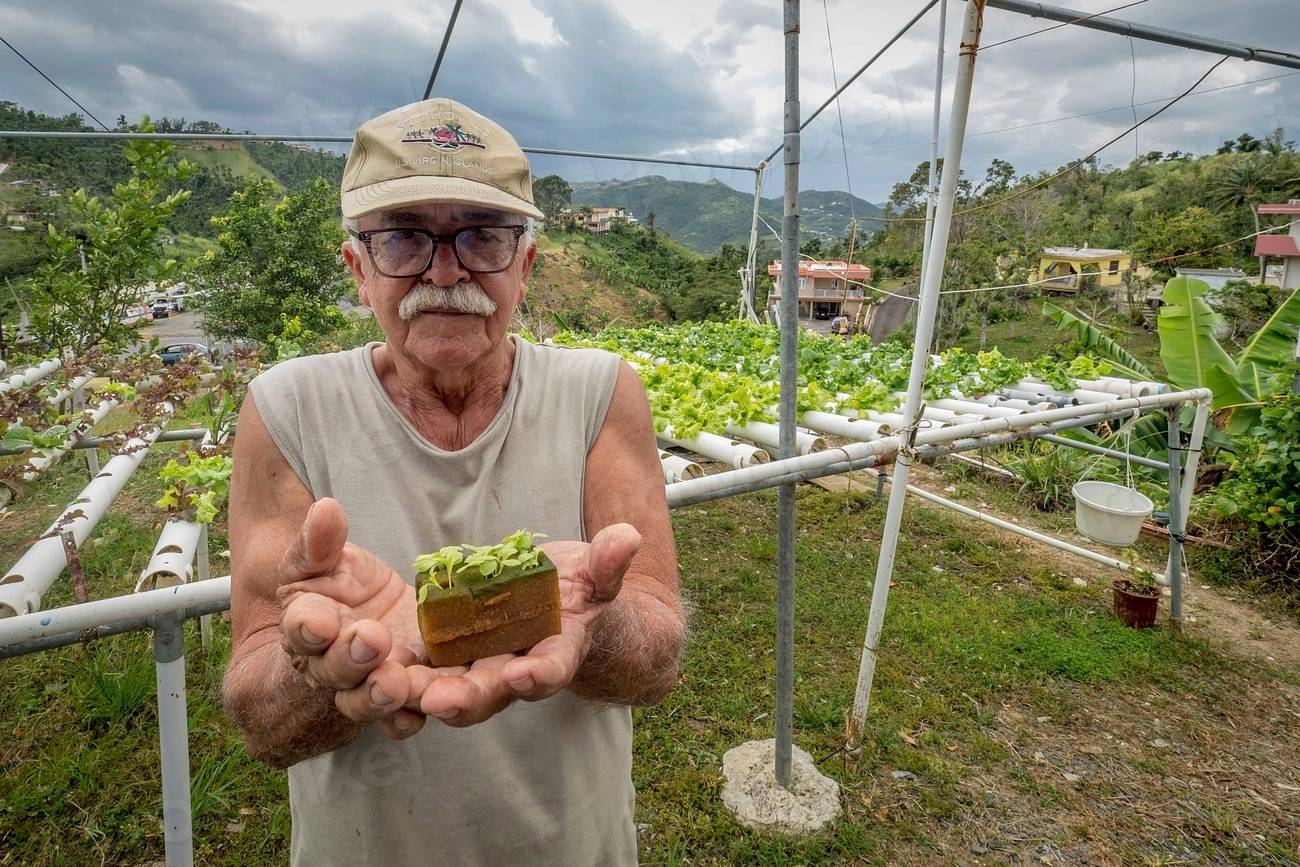
Unlike traditional soil seed starting, hydroponic seed starting eliminates soil-borne diseases, reduces transplant shock, and accelerates early growth by providing optimal moisture, oxygen, and nutrients. It also uses less water and space, making it perfect for indoor gardeners, preppers, and anyone wanting to maximize germination success.
The controlled environment enhances sprout vigor, allows year-round seed germination, and provides a cleaner, more scalable growing solution.
Essential Equipment and Supplies
- Seed Starting Medium: Rockwool cubes, coconut coir plugs, peat pellets, or inert sponges ensure proper moisture retention and aeration.
- Hydroponic Seed Starter Tray: Supports the growth medium and allows easy watering or nutrient delivery.
- Grow Lights: Full-spectrum LED or fluorescent lights providing 14-16 hours of light daily.
- Humidity Dome: Maintains moisture levels and warmth during germination.
- pH Meter: To monitor water/nutrient solution pH for seedling health.
- Hydroponic Nutrients: Diluted nutrient solutions formulated for seedlings.
- Air Pump and Stones: For oxygenating water in some hydroponic methods like deep water culture (DWC).
- Seeds: Choose varieties suited for hydroponic seed starting and your climate.
Step-by-Step Hydroponic Seed Starting Process
1. Prepare Growing Medium
Soak rockwool cubes or other mediums in pH-balanced water (5.5-6.5) for at least 30 minutes. This conditions the medium and stabilizes pH for seedling uptake.
2. Sow Seeds
Place one or two seeds per cube or plug, gently pressing them into the medium without burying too deeply (usually 1 to 1.5 times the seed size).
3. Maintain Moisture and Temperature
Cover trays with humidity domes to retain moisture. Keep seedlings at 70-75°F, using heating mats if needed.
4. Provide Consistent Light
Use grow lights 14-16 hours daily at a distance appropriate for seedlings (usually 2-4 inches for LEDs).
5. Monitor and Water
Mist surfaces or use bottom watering to avoid overwatering. Avoid stagnant water to prevent mold.
6. Fertilize with Seedling Nutrients
After the first set of true leaves emerge, begin a dilute hydroponic nutrient solution regimen at 1/4 to 1/2 strength.
7. Thin Seedlings
If multiple seeds germinate in one plug, thin to the strongest seedling to reduce competition.
8. Harden Off for Transplanting
Before moving seedlings to mature hydroponic systems or soil, gradually reduce humidity and increase light intensity to prepare plants for outdoor or new conditions.
Common Troubleshooting Tips
- Poor Germination: Check seed viability, moisture levels, temperature consistency.
- Algae Growth: Maintain cleanliness and avoid excessive surface moisture.
- Damping-off Disease: Ensure good airflow, reduce humidity if mold appears, sterilize tools regularly.
- Leggy Seedlings: Increase light intensity and reduce watering frequency.
For more detailed troubleshooting tips check out: Hydroponic Problems and Solutions: How to Troubleshoot and Fix Common Issues Indoors
Recommended Hydroponic Seed Starting Products (Affiliate Links)
- I have had good luck with the Growell 60 Pod Hydroponic System – This includes full spectrum lights, nutrients, and plugs to get you started.
- Rockwool Cubes and Coir Plugs – Most will work fine
- Full Spectrum LED Grow Lights – Barrina T5 Grow Lights
- Seedling Nutrient Solutions – General Hydroponics Flora Series
- Digital pH and TDS Meters
- Seeds (of course!) – Survival Garden Seeds have been a reliable supplier for my hydroponic adventures
Frequently Asked Questions
What is hydroponic seed starting?
It is the process of germinating seeds and nurturing seedlings in water-based, soil-free mediums under controlled conditions.
What types of medium are best for hydroponic seed starting?
Rockwool cubes, coconut coir plugs, peat pellets, and inert sponges provide ideal moisture retention and aeration. When transplanting, I prefer peat pellets or coco coir plugs because they are easier to get the seedlings out of when they root into the medium too a lot.
How much light do seedlings need?
Seedlings require 14-16 hours of full-spectrum light daily, ideally from LED grow lights 2-4 inches above.
When should I start fertilizing hydroponic seedlings?
Begin diluted nutrient solutions at 1/4 to 1/2 strength after the first true leaves appear.
Can all seeds be started hydroponically?
Most are suitable, but some large or root-heavy crops may require adaptations or soil starting.