Beat the Heat: Summer Hydroponic Growing in Hot Climates
Yes, you can grow successfully in hot weather with hydroponics if you manage root-zone temperature, airflow, and crop choice first. In my experience, summer success is less about fighting heat everywhere and more about keeping the reservoir cool, the leaves moving, and the plants matched to the season.
TL;DR: Aim to keep nutrient solution roughly in the 65 to 75 F range for most crops, increase aeration, and use shade plus ventilation before you spend money on a chiller. Heat-tolerant crops like basil, tomatoes, peppers, cucumbers, and okra are usually the easiest summer winners, while lettuce and spinach often need active cooling to stay productive.
Why does summer hydroponics get harder in hot climates?
Summer hydroponics gets harder because warm water holds less dissolved oxygen, roots breathe worse, and pathogens spread faster. As water temperature climbs, plants can show wilt, slower growth, pH swings, and root disease, especially in DWC and other reservoir-heavy systems.
Heat also changes the whole grow room, not just the bucket or tank. If your grow space stays hot overnight, the root zone never recovers, and that is when a system that looked fine in the morning can go sideways by afternoon.
How to Prevent Root Rot in Hydroponic Systems → root rot prevention
The Role of Aeration and Oxygen in Successful Hydroponic Systems → oxygen management
What temperature should hydroponic water stay at?
For most hydroponic crops, a nutrient solution target around 65 to 75 F is practical, with many growers aiming near 70 F as a sweet spot. Some crops tolerate a little warmer water, but once you push much above the low to mid 70s, dissolved oxygen drops and root stress rises fast.
Here is a simple summer target guide:
| Metric | Practical summer target | Notes |
|---|---|---|
| Nutrient solution temp | 65 to 75 F | Lower end is safer in heat |
| pH | 5.5 to 6.5 | Check more often in summer |
| EC | Crop specific | Warm weather can justify slight reduction for stressed plants |
| Airflow | Constant gentle movement | Helps leaf cooling and disease prevention |
In hot climates, I like to think of water temperature as the main control knob. If the water is stable, the whole system is easier to manage.
How to Test pH and EC → nutrient monitoring guide
Best pH Meters for Hydroponic Systems → pH meter buying guide
Which crops handle hot weather best?
Heat-tolerant crops are your best summer partners because they keep growing when cool-season plants stall. Basil, tomatoes, peppers, cucumbers, eggplant, okra, mint, and many herbs can do very well if the root zone stays healthy.
Best summer choices by plant type:
- Fruiting crops: tomatoes, peppers, cucumbers, eggplant, okra.
- Herbs: basil, mint, Thai basil, lemongrass.
- Heat-tolerant greens: amaranth, water spinach, New Zealand spinach, Swiss chard.
- Better left for cooler conditions unless actively cooled: lettuce, spinach, kale, strawberries.
If you want reliable summer results, this is the season to lean into warm-weather crops instead of forcing cool-season crops to behave. That one decision saves a lot of frustration.
Tomatoes, Peppers & Cucumbers in Hydroponics → summer fruiting crop guide
What equipment helps most in summer?
The most useful equipment is the gear that lowers heat load before it reaches the roots. In hot-climate hydroponics, I rank the essentials this way: shade, airflow, insulation, aeration, then active cooling.
Useful summer cooling equipment:
- Fans, to keep air moving across leaves and around reservoirs.
- Shade cloth, usually 30 to 50 percent for many home setups, depending on light intensity.
- Reflective covers or insulation for reservoirs, to slow heat gain.
- Air stones or strong aeration, to protect oxygen levels in warm water.
- Water chiller, for systems where passive cooling cannot hold the line.
In my own DWC-style summer runs, the biggest difference usually comes from covering the reservoir and improving airflow before I even think about adding a chiller. That order matters because it reduces the amount of energy and money you need to spend later.
Reservoir Insulation Ideas → low-cost cooling methods
How do you cool a hydroponic system?
Start by reducing heat gain, then move to active cooling only if needed. The goal is not to make the system cold, but to keep the root zone in the working range where oxygen and nutrient uptake stay reliable.
Summer Growing Strategies
- Move the system out of direct sun.
Put reservoirs in shade, under a bench, or in a cooler room if possible. Even a small change in placement can make a surprising difference. - Use shade cloth on the grow area.
Shade cloth cuts radiant heat and lowers stress on both plants and plumbing. For many hot-climate home gardens, 30 to 50 percent is a practical starting point. - Insulate the reservoir.
Wrap or box in the tank so it gains heat more slowly during the day. A reflective outer layer works well when combined with a light-blocking lid. - Increase aeration.
Warm water carries less oxygen, so add air stones or stronger circulation. If roots look healthy but plants still wilt in the afternoon, low oxygen may be part of the problem. - Run fans continuously.
Air movement helps plants cool themselves and reduces the chance of fungal issues. Fans should not blast plants directly all day, but they should prevent dead air pockets. - Use a chiller only when passive methods are not enough.
If your water is still drifting too warm, a chiller can bring the solution back into range. This is most helpful for DWC, NFT, and other reservoir-centered systems.
Hydroponic Water Temperature & Budget Cooling Guide → practical cooling methods
Geothermal Heating and Cooling for Hydroponic Systems → passive thermal buffering
What is the best system type for hot weather?
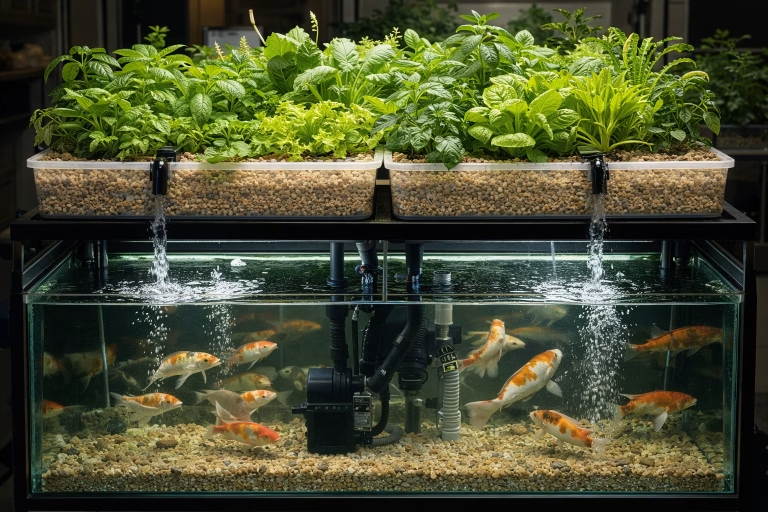
The best system type depends on how much thermal mass and oxygen buffering it has. In general, systems that let you manage the reservoir separately are easier to save in summer than tiny passive setups with no temperature control.
| System type | Hot-weather performance | Why |
|---|---|---|
| DWC | Good if cooled and heavily aerated | Easy to overheat, but simple to manage |
| NFT | Good with careful water management | Thin film means less buffering, so heat changes show quickly |
| Drip on media | Very good | Root zone has more buffering and easier separation from tank heat |
| Ebb and flow | Good | Moderate buffering, flexible for warm-weather crops |
| Wick or passive systems | Fair to poor in extreme heat | Usually too little control for hot climates |
For beginners in hot regions, I usually point toward drip systems or well-managed DWC. Drip gives you more forgiveness, while DWC gives fast growth if you can keep the water cool.
DWC Hydroponics Beginner Guide → deep water culture basics
Dutch Bucket Hydroponics: The Complete DIY Setup Guide → drip-based fruiting systems
How to Build a Hot-Weather Hydroponic Setup
Description: Build a hydroponic system that stays productive in summer by controlling reservoir temperature, increasing oxygen, and choosing crops that can handle heat.
Materials and tools:
- Reservoir with a tight lid.
- Air pump and air stones.
- Water thermometer.
- pH meter and EC meter.
- Shade cloth or reflective cover.
- Fan.
- Insulation material or an insulated box.
- Optional water chiller.
- Net pots, tubing, pump, growing medium, and crop supports if your system uses them.
- Choose a warm-weather crop list.
Pick plants that match the season instead of fighting the weather. Basil, tomatoes, peppers, cucumbers, and heat-tolerant greens are the easiest place to start. - Place the reservoir in the coolest available location.
A shaded corner, basement, closet, or insulated cabinet is better than a sunny porch or hot balcony. Keeping the tank out of direct solar gain reduces the cooling load immediately. - Install shade and insulation first.
Cover exposed surfaces, block sunlight, and prevent the tank from absorbing room heat. This is often the cheapest and most effective summer upgrade. - Add strong aeration.
Run air stones in the reservoir and make sure the pump is sized for the volume you are growing. Warm water holds less oxygen, so aeration becomes more important as temperatures rise. - Set up airflow across the canopy.
Use fans to move air above and around the plants. Good airflow reduces leaf temperature and helps prevent disease pressure in hot, humid conditions. - Fill and balance the solution.
Mix nutrients, then measure and adjust pH and EC after the solution stabilizes. In summer, watch for faster evaporation and more frequent drift, especially in smaller systems. - Test water temperature daily during heat waves.
Check morning and late afternoon readings so you see how much the system swings. If the tank spends too long above your target range, adjust with shade, insulation, or active cooling. - Add active cooling only if needed.
If passive steps fail, install a chiller sized to your reservoir. This is the cleanest fix for recurring heat problems in DWC and similar systems.
Headless Hydroponic Monitor: No-Screen pH/EC Logger → temperature and nutrient tracking
What does a summer maintenance routine look like?
Summer maintenance is mostly about consistency. In hot weather, small mistakes compound faster, so daily observation matters more than in spring or fall.
Use this checklist:
- Check water temperature morning and afternoon.
- Inspect roots for browning, slime, or smell.
- Verify pH and EC before and after hot days.
- Top off evaporated water with fresh, clean water.
- Clean filters, pumps, and air stones.
- Watch for wilting that improves at night, which can signal heat stress rather than drought.
I also recommend tightening your inspection cycle during heat waves. A system that is fine at 78 F air temperature can turn unstable once the room runs a few degrees hotter for several days in a row.
How to Prevent Root Rot in Hydroponic Systems → inspection and sanitation
What problems show up first in hot weather?
The first signs are often subtle. Plants may look fine in the morning, then droop in the afternoon, or leaves may curl while roots start losing their clean white color.
Common summer problems:
- Root rot, especially when warm water and low oxygen combine.
- pH instability, which can cause nutrient lockout.
- Faster algae growth, if light reaches the reservoir.
- Bitter or bolting greens, especially lettuce and spinach.
- Lower fruit set, when flowers drop in extreme heat.
If you catch these early, most can be corrected with better cooling and aeration. If you ignore them, the system usually declines quickly.
What are realistic summer results?
Heat-tolerant crops can still produce strong yields in summer, especially when the system is tuned for the season. Basil often grows fast enough to support repeated harvests, and peppers and tomatoes can remain productive when roots stay cool.
A realistic expectation is that summer growth may be faster for warm-weather crops but less forgiving overall. In hot-climate hydroponics, the reward is not always bigger leaves or faster harvests, but steadier production across the hottest months.
Summer garden success stories
One of the most common success patterns I see is the grower who switches crops instead of forcing the same spring plan through July. Once they move from lettuce to basil, peppers, or cucumbers, the system usually feels much easier to manage.
Another reliable win is the apartment grower who keeps the reservoir in a shaded utility area and runs a small fan plus air stones. That combination often turns a fragile setup into a stable one, especially when the grow space itself has limited climate control.
The lesson is simple: summer hydroponics works best when you design around heat rather than hoping to overpower it.
What are the best use cases?
This method is best for:
- Home growers who want warm-season produce in summer.
- Apartment gardeners with limited outdoor space.
- Hobbyists running DWC, NFT, ebb and flow, or drip systems.
- Growers in hot and dry climates who can control shade and airflow.
- Indoor growers who can separate the reservoir from the hottest part of the room.
It is less ideal for growers who want to run lettuce or spinach through peak heat without a cooling plan. Those crops can still work, but they need more effort, more monitoring, and more luck.
FAQ
How expensive is summer hydroponic cooling?
A basic setup can be inexpensive if you start with shade cloth, airflow, and insulation. A chiller adds the biggest cost, so it is usually the last thing I recommend buying.
Is DWC too risky in hot weather?
Not if you manage the reservoir well. DWC can be excellent in summer, but it is more sensitive to warm water than drip systems because the root zone sits directly in the reservoir.
What is the biggest summer mistake growers make?
The most common mistake is waiting until plants show severe stress before fixing water temperature. By that point, roots may already be weakened and pathogens may have a head start.
Can I grow lettuce in summer hydroponics?
Yes, but it is harder and usually requires active cooling. Heat-tolerant lettuce varieties and strong root cooling help, but many growers get better results by switching to basil or fruiting crops in peak summer.
How often should I check pH and EC in summer?
Check them more often than you do in mild weather, because evaporation and plant stress can change the solution faster. In hot spells, daily checks are often worth the effort for smaller home systems.
Do fans cool the reservoir directly?
Not much by themselves, but they help a lot indirectly. Fans lower leaf temperature, improve transpiration, and reduce stagnant hot air around the system.
What crops are easiest for beginners in hot climates?
Basil, peppers, cherry tomatoes, cucumbers, and many herbs are reliable beginner crops for summer. If you want leafy greens, start with heat-tolerant options like Swiss chard or amaranth.
How long until I see results?
Fast-growing herbs can show harvestable progress in a few weeks, while fruiting crops usually take longer. The exact timing depends on crop choice, light, and how stable your root zone stays.
Will a chiller fix everything?
No, but it can solve the most stubborn water temperature problem. You still need shade, aeration, and good airflow, or you may end up cooling a system that is wasting too much heat elsewhere.
Is summer hydroponics good for small spaces?
Yes, especially if you choose the right crops and keep the reservoir insulated. Small systems can actually respond quickly to better cooling, which is helpful for apartment growers.
Author note
I have built and managed hydroponic systems in very hot conditions, including summer-style setups shaped by Phoenix, Arizona heat. I now grow from Michigan, which gives me a useful contrast between extreme summer management and cooler-season indoor production. My focus is practical indoor and urban growing, with an emphasis on systems that stay stable, productive, and beginner-friendly under real-world conditions.
Share this:

Discover more from Soil Free Harvest
Subscribe to get the latest posts sent to your email.