How to Plan a Small Indoor Hydroponic Farm: Complete Beginner Guide (2026)
Planning a small indoor hydroponic farm comes down to five decisions: space, crops, system type, lighting, and budget. Once you match those pieces and set basic targets for pH, EC, and climate, you can reliably harvest leafy greens and herbs every 28 to 45 days in a small apartment or spare room.
TL;DR: Define your goals and space, start with a simple system like DWC or a vertical leafy green rack, budget roughly 300 to 1000 USD for a small indoor farm, and focus on stable water, light, and air before scaling up.
Affiliate Disclosure: This article contains affiliate links. If you purchase through these links, soilfreeharvest.com may earn a small commission at no extra cost to you.
What is a small indoor hydroponic farm?
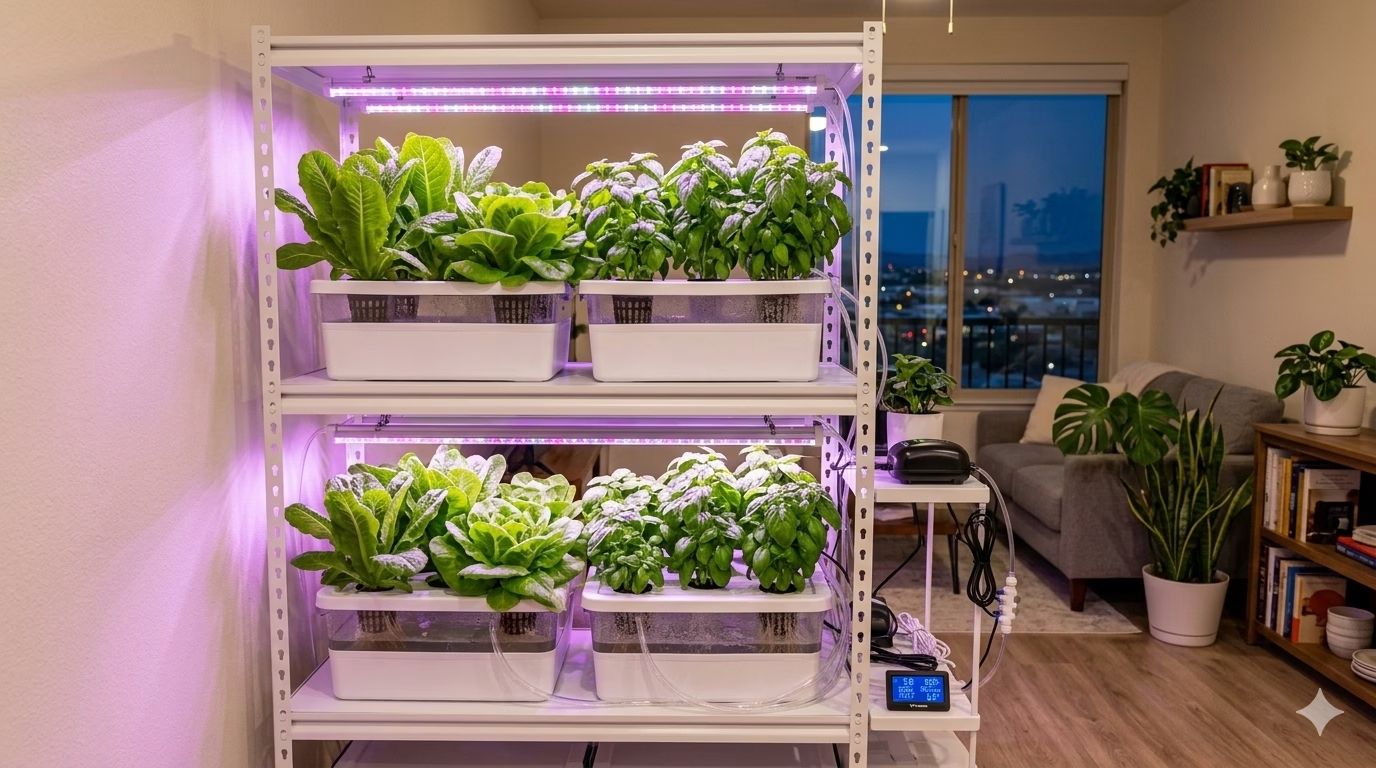
A small indoor hydroponic farm is a controlled growing space inside your home where plants are grown in water with dissolved nutrients instead of soil. For most home growers, this means anything from a single 2 by 4 foot rack to a small room with multiple shelves producing weekly harvests of greens, herbs, and compact fruiting crops.
Because the environment is controlled, you can grow year round regardless of outdoor weather, which is especially useful in hot deserts like Phoenix or snowy climates like Central Michigan. With good planning, a modest setup can replace several square feet of outdoor garden beds and provide consistent yields on a predictable schedule.
What is hydroponics → intro to hydroponics for beginners
How does a small indoor hydroponic farm work?
In an indoor hydroponic farm, water, nutrients, and light are all delivered by systems you control instead of depending on rain and sun. A reservoir holds the nutrient solution, a pump or air stones move and oxygenate the water, and plants sit in net pots with an inert growing medium.
LED grow lights simulate daylight and run on a timer to give plants 12 to 18 hours of light depending on the crop. You monitor pH and EC (electrical conductivity) with simple meters and adjust nutrients and water to keep plants in their ideal range.
How hydroponic nutrients work → beginner nutrient guide
What systems are best for a small indoor hydroponic farm?
For most home and apartment growers, three systems cover almost every need: DWC, NFT, and ebb and flow.
Which hydroponic system should beginners start with?
For a first indoor farm, DWC or a simple ebb and flow table is usually the most forgiving. Both have fewer moving parts than high pressure aeroponics and are easier to troubleshoot when something goes wrong.
In my own DWC setups in hot, dry Arizona, deep reservoirs and extra aeration kept nutrient temperatures stable and prevented root issues better than small, shallow systems. In a cooler Michigan basement, ebb and flow tables paired with a small heater and good airflow provide steady growth without constant hands-on work.
Types of hydroponic systems → system comparison guide
Comparison of indoor-friendly hydroponic systems
| System type | Best for plants | Pros | Cons |
|---|---|---|---|
| DWC (Deep Water Culture) | Lettuce, leafy greens, basil, cilantro | Simple design, low cost, very fast growth | Water temp control needed, heavy reservoirs |
| NFT (Nutrient Film Technique) | Lettuce, baby greens, small herbs | Efficient space use, continuous flow, easy harvest | Sensitive to clogs and pump failure |
| Ebb and flow (flood and drain) | Leafy greens, herbs, small fruiting plants | Flexible media options, handles mixed crops | Requires timer setup and tray management |
| Wick / passive | Microgreens, small herbs | No pump, silent, ultra simple | Lower yield, limited to small plants |
| Aeroponics (high pressure) | Advanced leafy greens and herbs | High oxygen to roots, rapid growth | High complexity, not ideal for first farm |
Which plants are best for a small indoor hydroponic farm?
The easiest and most profitable plants in a small indoor farm are fast, compact, and have steady demand in your kitchen.
What are good beginner crops?
For a first indoor farm, focus on:
- Lettuce (butterhead, romaine, oak leaf, leaf types)
- Leafy greens (kale, Swiss chard, pak choi)
- Culinary herbs (basil, cilantro, parsley, mint)
Most leafy greens and herbs thrive at a pH between 5.5 and 6.5 and an EC between about 0.8 and 1.8 depending on the species. Lettuce, for example, typically prefers pH 5.5 to 6.5 and EC 0.8 to 1.2, while kale and many herbs run closer to EC 1.2 to 1.8.
Best plants for hydroponics → plant selection guide
What about tomatoes, peppers, and strawberries?
Compact dwarf tomatoes, peppers, and strawberries can work indoors, but they need more light intensity, more headroom, and a slightly higher EC than leafy greens. Plan for stronger lights, taller vertical space, and better pollination strategies if you choose to include these.
For your first season, many home growers dedicate one rack to leafy greens and herbs and add fruiting crops only after they master the basics.
How much space do you need for an indoor hydroponic farm?
You can start a functional indoor farm in as little as 6 to 8 square feet of floor space. A common starting footprint is a 2 by 4 foot shelving rack with two to three tiers of hydroponic channels or tubs.
In practice:
- A single 2 by 4 foot rack can hold 24 to 48 heads of lettuce or herbs if you stagger plantings.
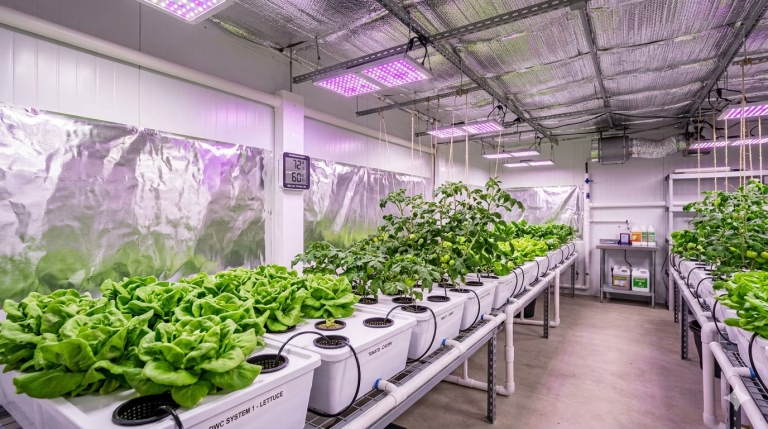
- A small dedicated room or large closet can support multiple racks and provide weekly harvests for a family of 2 to 4.
From my own indoor setups, I plan roughly 0.5 square feet per mature lettuce head in DWC and slightly less per plant in NFT channels because of tighter spacing.
How much does a small indoor hydroponic farm cost to set up?
Costs vary with system type and quality of equipment, but most home growers can launch a small indoor farm for about 300 to 1000 USD.
What are the main cost categories?
Typical cost ranges for a basic 2 by 4 foot rack setup:
- Shelving rack: 60 to 150 USD
- Avoid prebuilt ones with plywood boards for shelves – water is not good for those long term and the shelves tend to warp.
- If you build your own with a basic frame and shelving, it is helpful to add wheels for easier access and cleaning.
- 40″ W Garage Shelving 2240 LBS Storage Shelves Adjustable Metal Shelving Heavy Duty 4 Tier Metal Shelves is a good option under $100 (Check availability through partnered retailers for up‑to‑date pricing.)
- Hydroponic system (DWC tubs or NFT channels): 80 to 250 USD
- LED grow lights: 100 to 300 USD
- Pumps, air stones, plumbing, timers: 60 to 150 USD
- pH and EC meters, pH adjusters: 40 to 120 USD
- Seeds, growing media, nutrients for first cycle: 40 to 80 USD
Electricity costs depend on your local rates and light schedule, but many small farms run between 10 and 30 USD per month in power for a single rack.
Hydroponic cost breakdown → cost and ROI guide
How do you design the layout for a small indoor farm?
Layout planning ensures your system fits your space, your workflow, and the way water and air move through the room.
What are the key layout decisions?
Plan around these elements:
- Space: Measure ceiling height, width, and depth of your intended area, including door clearance.
- Ensure there is height for taller plants and space to vine if you plant a vining plant.
- Access: Leave enough room to reach the back of racks, reservoirs, and plumbing without squeezing.
- Flow: Think through a simple path of seedling area to main grow area to harvest and cleaning.
- Water: Place reservoirs where spills will not damage flooring and where you can easily drain and refill.
- Power: Use surge-protected strips and keep outlets above splash zones.
In both Phoenix apartments and Michigan basements, I favor layouts where I can roll out reservoirs or racks for maintenance instead of crawling behind them.
What equipment do you need for a small indoor hydroponic farm?
Most small indoor farms use a common core of equipment, regardless of system type.
Core equipment checklist
- Hydroponic system: DWC totes, NFT channels, or ebb and flow tray
- Water reservoir(s)
- Water pump (for NFT or ebb and flow) and/or air pump with air stones (for DWC)
- LED grow lights with appropriate spectrum (typically full spectrum with strong output in blue and red)
- Mechanical timer(s) for lights and pumps
- pH meter and EC meter
- pH up and pH down solutions
- Growing media (coco coir, perlite, clay pebbles, rockwool cubes)
- Net pots
- Fans for gentle air circulation
- Basic tools: drill, hole saw, utility knife, measuring tape
In my own builds, I always test pumps and plumbing with plain water for at least 24 hours before introducing nutrients and plants to catch leaks early.
How do you maintain water quality, pH, and EC indoors?
Water quality is the backbone of any hydroponic farm. For small indoor systems, you will typically check your reservoir at least 2 to 4 times per week and adjust as needed.
What pH and EC targets should you use?
As a general starting guide:
- Most leafy greens: pH 5.5 to 6.5, EC 0.8 to 1.5
- Most herbs: pH 5.5 to 6.5, EC 1.0 to 1.8
- Fruiting crops (tomatoes, peppers): pH 5.5 to 6.5, EC 2.0 to 3.5
Use your pH meter and EC meter to verify readings and adjust with pH up or down according to label directions. Top off reservoirs with plain water to compensate for evaporation and plant uptake, then periodically replace 25 to 50 percent of the solution every 1 to 2 weeks in small systems.
pH and EC in hydroponics → managing nutrient strength
How often do you need to maintain and clean a small indoor farm?
Routine maintenance keeps your system stable and prevents problems from turning into crop failures
What does weekly maintenance look like?
Typical weekly tasks include:
- Checking and adjusting pH and EC
- Topping up the reservoir with water
- Inspecting pumps, air stones, and plumbing for clogs or weak flow
- Trimming dead or yellowing leaves
- Wiping down surfaces and checking for algae
Every 2 to 4 weeks, many growers deep clean reservoirs and trays, sanitize tools, and inspect for root issues. Between crop cycles, plan at least one full system clean with a mild cleaning solution safe for plants and food contact surfaces.
What are the main benefits and drawbacks of a small indoor hydroponic farm?
Understanding both the strengths and limitations will help you decide how far to scale your setup.
Key benefits
- Year round production independent of outdoor weather
- Faster growth and higher yields per square foot than soil in many cases
- Efficient water use, often using significantly less water than traditional soil gardens
- Clean produce with minimal washing needed
- Compact, vertical layouts that fit in apartments and small homes
From multiple runs in hot Phoenix summers, indoor hydroponic farms also protected crops from intense heat, pests, and dust that would quickly damage outdoor beds.
Key drawbacks
- Upfront equipment cost and ongoing electricity use
- Need for regular monitoring of pH, EC, and equipment function
- Risk of rapid plant stress if pumps fail or reservoirs overheat
- Learning curve for managing nutrients and diagnosing plant issues
In colder climates like Michigan, you may also need small heaters or dehumidifiers to keep conditions in the ideal range, especially in basements or garages.
Pros and cons of hydroponics → benefits and limitations
How long does it take to harvest from an indoor hydroponic farm?
Time to harvest depends heavily on plant choice and your ability to maintain stable conditions.
Typical ranges:
- Baby leafy greens: 21 to 28 days from transplant
- Full size lettuce heads: 28 to 45 days from transplant
- Herbs (basil, cilantro, parsley): first cut in 30 to 45 days, then repeat cuttings every 1 to 3 weeks
- Compact tomatoes and peppers: often 70 to 100 days from transplant to first ripe fruit
Staggering your plantings every 1 to 2 weeks can provide a continuous harvest instead of one big flush.

- This is my go-to pack of lettuce seeds: Lettuce Seeds 5-Variety Collection – Heirloom Romaine (Parris Island), Buttercrunch, Iceberg, Oakleaf, Lolla Rosa Lettuces (Check availability through partnered retailers for up‑to‑date pricing.)
- The Lolla Rosa is so pretty and every seed that I have purchased from that brand has been very reliable
How-To: Set up a simple DWC rack for a small indoor farm
A step by step guide to planning and building a simple Deep Water Culture rack that can grow 24 to 32 heads of lettuce or herbs in a small indoor space.
Materials and tools
- 2 by 4 foot metal wire shelving rack (4 tiers)
- 2 to 4 food grade plastic totes with lids (10 to 20 gallons each)
- Hole saw and drill (to fit your net pots)
- Net pots (2 to 3 inch)
- Air pump and air stones (one stone per tote)
- Airline tubing and check valves
- LED grow lights sized for 2 by 4 foot coverage
- Mechanical timer for lights
- Hydroponic nutrients suitable for leafy greens
- Growing media (rockwool cubes, coco plugs, or similar)
- pH meter, EC meter, pH up and pH down
- Power strip with surge protection
- Seeds of your chosen plants
Step 1: Plan your rack layout
Decide which shelves will hold your DWC totes and which will hold lights so you have enough vertical space between canopy and lights. Ensure the rack fits your intended space with a few inches of clearance for airflow and cables.
Step 2: Prepare and position the reservoir totes
Place the totes on the rack shelves and make sure each one sits level so the waterline is consistent. Mark the maximum fill line on each tote to leave a small air gap below the net pots for oxygen.
Step 3: Drill holes in the tote lids
Use your hole saw to drill evenly spaced holes in each lid to fit the net pots, leaving enough room for plants to mature without crowding. Keep at least 3 to 4 inches between net pots for lettuce and more for larger plants.
Step 4: Install air stones and route airline tubing
Place one air stone at the bottom of each tote and route airline tubing up and out the side or corner. Connect the tubing to the air pump located on a shelf above the waterline and install check valves to prevent backflow.
Step 5: Mount and set up the grow lights
Mount LED grow lights above the totes so they cover the full 2 by 4 foot area without large dark spots. Start with lights 12 to 18 inches above the expected plant canopy and connect them to a timer set for about 14 to 16 hours of light per day for leafy greens.
Step 6: Fill reservoirs and mix nutrients
Fill each tote with water up to your marked fill line, then turn on the air pump to start aeration. Add hydroponic nutrients according to the label, allow them to mix, then check pH and EC and adjust until they are within the target range for your chosen crops.
Step 7: Start seeds in growing media
Start seeds in rockwool cubes or other plugs, keeping them moist and warm until they sprout and develop roots. In my own systems, I typically see seedlings ready for transplant within 10 to 21 days depending on the plant and room temperature.
Step 8: Transplant seedlings into the DWC totes
Once seedlings have several true leaves and healthy roots, place each plug into a net pot and gently settle it into the lid so the bottom of the plug just touches or sits slightly above the waterline. Make sure the roots have access to moisture while still having air exposure at the top.
Step 9: Monitor and adjust daily
Check that air stones are bubbling well, lights are turning on and off as scheduled, and water levels remain near your fill line. Use your pH and EC meters to verify levels a few times per week and top up with water as needed.
Step 10: Harvest and replant
Begin harvesting when plants reach your desired size, either by cutting entire heads or harvesting outer leaves and letting the plant continue to grow. After each cycle, clean and sanitize totes and lids before replanting to keep your small indoor farm running smoothly.
Building a DWC system → DIY DWC tutorial
What are common problems in small indoor hydroponic farms and how do you fix them?
Even well planned systems will eventually face issues, but most can be solved with a simple checklist approach.
Why are leaves yellowing or pale?
Yellowing can indicate nutrient deficiency, pH drift, or overly strong light. Check pH and EC, verify that your nutrient mix matches plant needs, and adjust light height if leaves look bleached at the top.
Why are roots brown or slimy?
Brown, slimy roots usually point to low oxygen, high water temperature, or disease pressure. Increase aeration, keep reservoir temperature in the mid 60s to low 70s Fahrenheit where possible, and clean and sanitize equipment before replanting.
Why is growth slow compared to expected harvest times?
Slow growth often comes from insufficient light intensity, low nutrient strength, or temperature outside the optimal range. Verify that lights cover the full canopy, EC matches the crop’s needs, and room temperatures stay within typical plant preferences.
Troubleshooting hydroponics → common problems and fixes
FAQ about planning a small indoor hydroponic farm
How much does it cost to start a small indoor hydroponic farm?
Most home growers can start a small indoor farm for around 300 to 1000 USD depending on system type and equipment quality. This range usually covers a rack, system hardware, lights, basic meters, and supplies for your first crop cycle.
Is it hard to maintain an indoor hydroponic farm?
Daily tasks are simple once you learn the basics, but you do need consistency. Expect to spend a few minutes most days checking water levels, timers, and plant health, plus a bit more time weekly to adjust pH and clean equipment.
How much time per week does a small indoor farm take?
Many small setups run well on 15 to 30 minutes per day and 1 to 2 hours per week for deeper cleaning and harvesting. As systems get larger or more complex, expect maintenance and harvesting time to increase.
How soon will I see results from my indoor hydroponic farm?
You can usually see visible growth within a few days of transplanting healthy seedlings. Most leafy greens are ready to harvest in 3 to 6 weeks after transplant, while herbs and fruiting crops take longer.
Is hydroponic produce safe to eat?
Yes, hydroponic produce is safe to eat when you use food safe containers, follow nutrient label instructions, and keep your system clean. Many people appreciate that indoor hydroponics allows for very clean greens with minimal washing.
What are common beginner mistakes in indoor hydroponic farming?
Common mistakes include overcrowding plants, skipping pH and EC checks, underestimating light needs, and not testing systems for leaks before planting. Starting simple and focusing on good water and light management avoids most early frustrations.
Can I run a small indoor farm in a hot or cold climate?
Yes, but you will adapt your strategy to your climate. In very hot areas like Phoenix, you may need more ventilation and careful control of water temperatures, while in colder climates like Michigan you might add small heaters or insulation for stable conditions.
Do I need special water for hydroponics?
Many growers do fine with tap water if it is not extremely hard or treated with high levels of additives, but some prefer filtered or reverse osmosis water for better control. Check your local water report or test total dissolved solids to decide which is best for you.
Author note
I write from hands-on experience running small indoor hydroponic systems in both the dry heat of Phoenix, Arizona and the colder swings of Central Michigan. My focus is practical indoor and urban growing that fits real homes, not just ideal lab conditions. Over multiple seasons, I have tested DWC, NFT, and ebb and flow setups on racks and in spare rooms to find what works reliably for busy people. My goal with Soil Free Harvest is to give you clear, testable plans so you can confidently grow fresh food indoors year round.
Share this:

Discover more from Soil Free Harvest
Subscribe to get the latest posts sent to your email.







One Comment